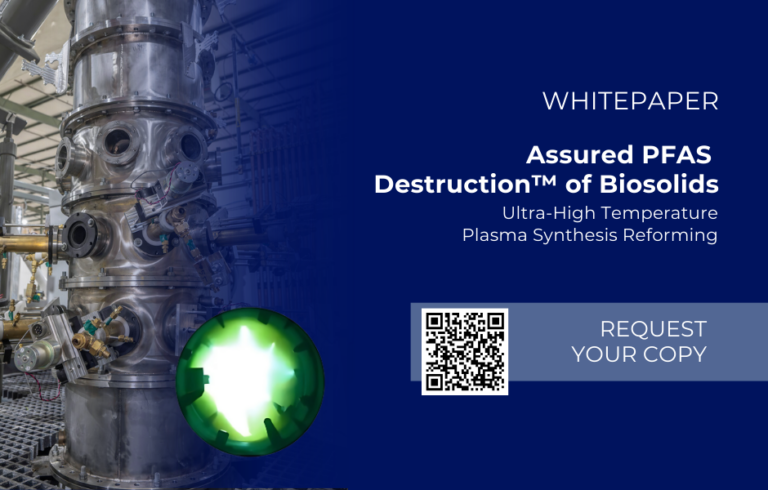
Biosolids conversion process
Navigating the new future of biosolids management
The US produces approximately 4.5 million dry tons of biosolids annually, a number which continues to grow. Traditional disposal methods such as agricultural application and landfill disposal face increasing restrictions due to concerns about PFAS. Heartland’s end-to-end solution removes uncertainty for utility managers. This cost-certain approach not only addresses biosolids management and destroys PFAS but also ensures long-term operational stability.
Why utilities need a better biosolids waste management solution
Traditional biosolids disposal methods are facing increasing restrictions. Land application is under pressure as PFAS contamination emerges as a major environmental concern, with several states moving toward bans or tighter limits. Landfill routes, once a reliable outlet, are now more expensive and capacity limited. For utilities, this creates a landscape of rising disposal costs, volatile fees, and growing compliance risks.
PFAS-related legislation at both federal and state levels is reshaping biosolids management. Hauling adds cost and environmental liability, while landfill tipping fees continue to climb. Utility managers need more than stopgap measures — they need a biosolids waste management solution that addresses PFAS, stabilizes budgets, and provides long-term compliance certainty.
Heartland delivers this certainty. Our purpose-built system destroys PFAS, reduces mass, and creates usable energy byproducts. This integrated approach offers utilities the reliability and predictability they need to plan confidently for the future of biosolids management.
Unmatched biosolids management
-
°Coperating temperatures (up to)
-
%average mass reduction
-
>99%vapor phase destruction of PFAS
A scalable biosolids waste management solution for every site
Every facility generates biosolids differently. Smaller municipalities may lack the footprint for large-scale systems, while regional plants manage higher volumes with complex regulatory oversight. Heartland’s modular design adapts to both.
For rural communities, compact or mobile units provide on-site PFAS destruction and volume reduction without heavy infrastructure costs. Larger facilities can scale the same core technology to handle greater tonnages while maintaining efficiency. This distributed approach lowers capital barriers, adapts to different waste streams, and futureproofs operations against shifting regulations.
Heartland’s flexibility ensures that no site is left behind. From small towns to large utilities, our scalable biosolids waste management solution enables reliable compliance, stable operating costs, and proven performance.
Heartland’s conversion process
-
Flexible Delivery OfferingMeets the unique needs of each client including on-site management or off-site processing.
-
Full-Service SolutionEnd-to-end biosolids management, from assessment and design to implementation for comprehensive solutions.
-
Compliance SupportProactively monitor, manage, and mitigate risks for compliance with federal and state regulations.
-
Long Term Disposal Cost CertaintyPredictable and stable disposal solutions in the ever-changing landscape of biosolids management.
-
Assured PFAS DestructionReliable and effective solution to one of the most pressing environmental challenges.
Environmental benefits beyond disposal
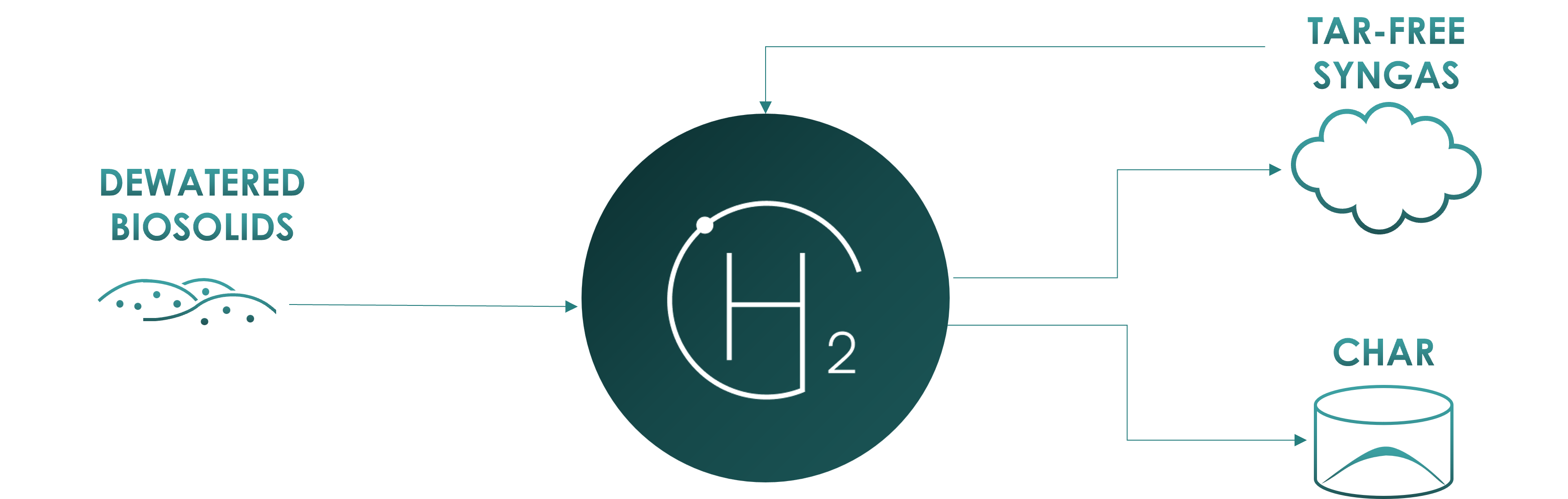
Heartland’s approach offers environmental advantages that extend well beyond disposal. By reducing biosolids mass by up to 94% and destroying more than 99% of PFAS in the vapor phase, our system minimizes landfill reliance and trucking needs. Fewer miles traveled mean fewer emissions, and reduced landfill use alleviates strain on already limited capacity.
In addition, our process generates energy-rich byproducts like syngas and char. These resources can be used to offset facility energy demands or integrated into renewable fuel production. Instead of treating biosolids as a liability, Heartland’s system converts them into valuable assets that support carbon reduction goals.
For municipalities and industrial operators, this aligns with ESG and sustainability commitments. Heartland’s biosolids-to-energy model not only ensures compliance but also demonstrates measurable progress toward circular economy objectives.
Is Heartland’s biosolids waste management solution right for you?
Heartland’s solution is ideal for wastewater treatment plants, municipalities, and industrial sites struggling with rising costs, limited disposal outlets, or PFAS contamination. Our technology provides a proven way to reduce risk, improve compliance, and create value from waste streams.
We offer flexible delivery models to meet different organizational needs. Many partners choose our Build-Own-Operate (BOO) structure, which eliminates upfront capital expense while ensuring long-term performance and predictable pricing. Others pursue tailored integration based on site capacity and goals.
Heartland also supports pilot projects and site assessments, making it easier to evaluate fit before full-scale implementation. Our team works closely with each partner to design a biosolids management strategy that addresses compliance requirements, cost planning, and sustainability targets.
If your facility is ready to move past uncertainty and adopt a reliable biosolids waste management solution, Heartland can help. Talk to our team today to explore how our approach can support your operations and environmental goals.