Landfill leachate treatment
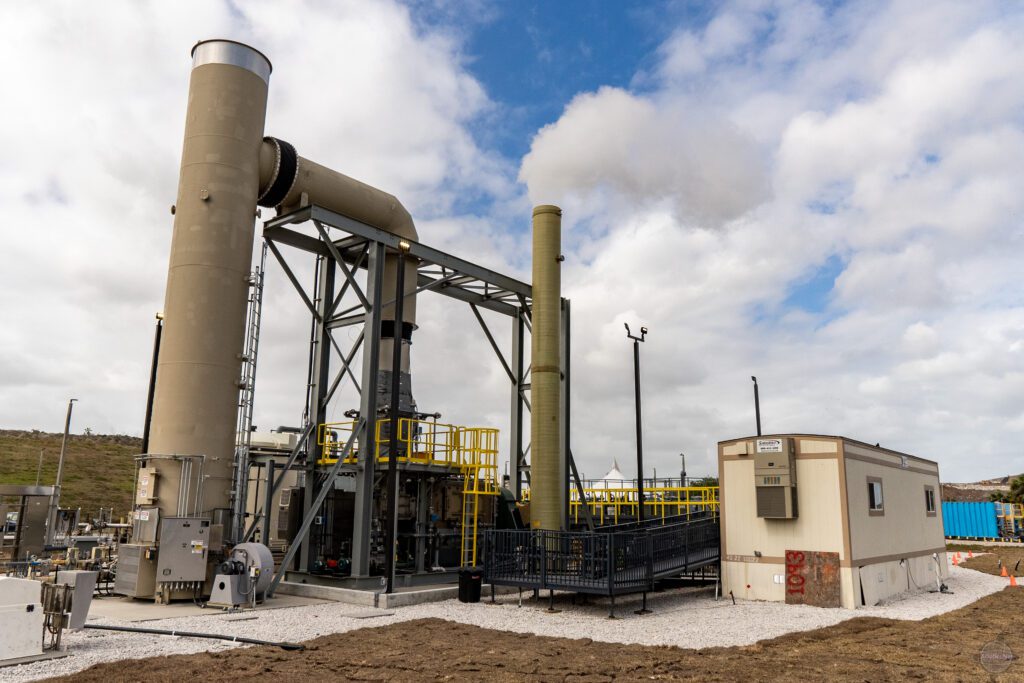
Leachate management that puts you back in control
Leachate isn’t just another waste stream. It changes daily with rainfall, temperature, and waste makeup. Without a proactive leachate management strategy, landfill operators face rising costs, unpredictable volumes, and tighter scrutiny from regulators.
When facilities rely on external hauling or POTW capacity, they give up control. Disposal routes can disappear overnight. POTWs may refuse to accept leachate, leaving no outlet for disposal. Delays, cost spikes, and hauling constraints become everyday risks. Heartland gives that control back.
We help you stay ahead of leachate level fluctuations and compliance pressures with a solution designed to fit the rhythm of landfill operation—not work against it.
On-site life of the landfill leachate solution
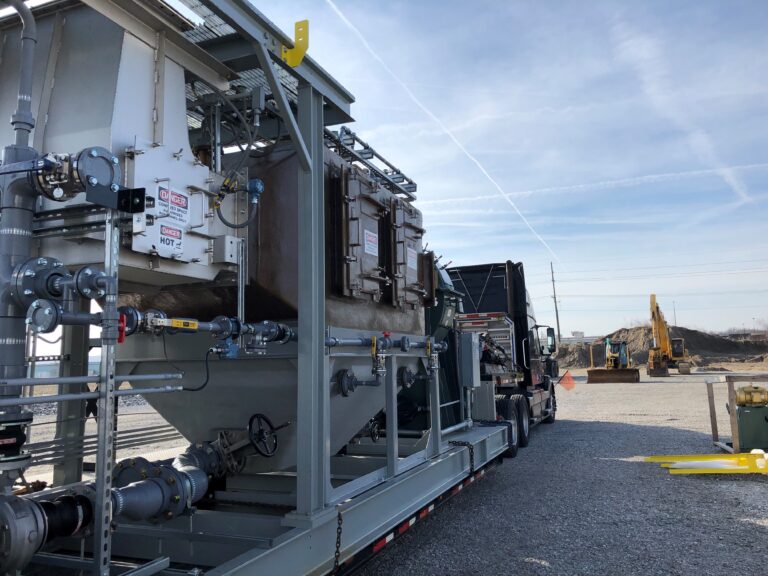
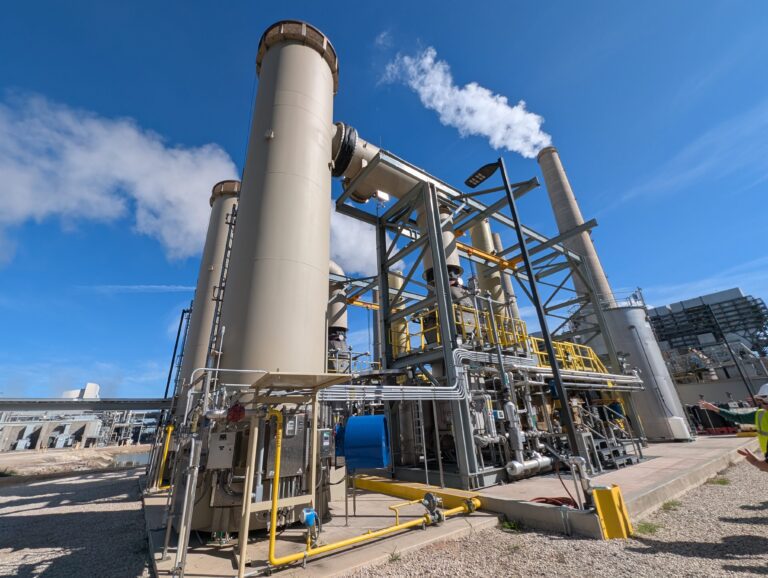
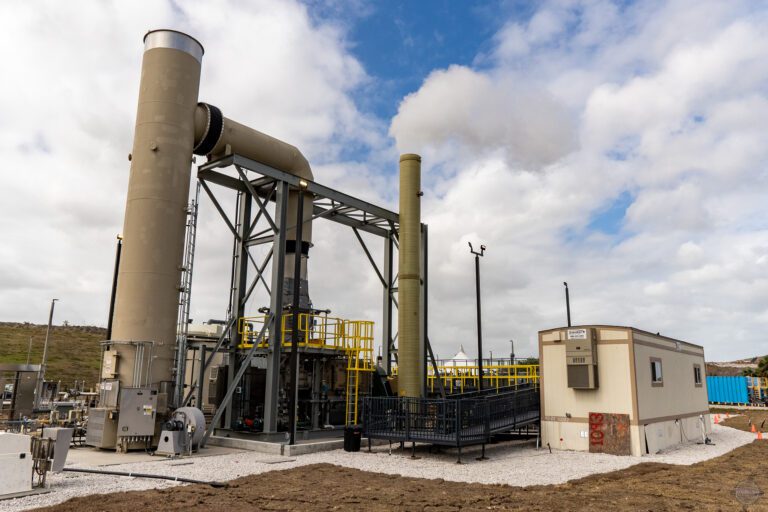
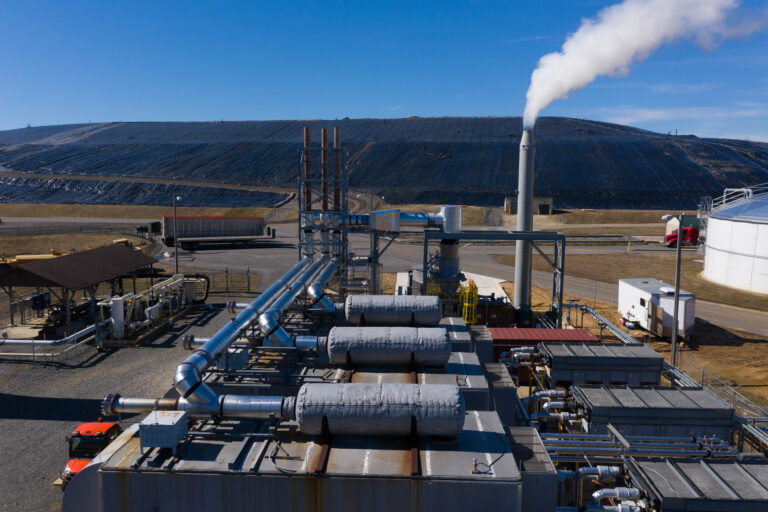
An estimated 16 billion gallons of landfill leachate are generated annually in the US, with 62% of landfills disposing of leachate at POTWs (Publicly Owned Treatment Works). As regulatory pressures rise and POTWs cut off leachate, Heartland offers a complete on-site landfill leachate treatment solution. Our proven approach reduces volume, eliminates off-site treatment, eases cost burdens and regulatory pressures, and minimizes uncertainty for landfill operations.
Leachate solutions that work
-
billion+ gallonstreated
-
trucksoff the road
-
+ million tonsof CO2 avoided
Cut leachate costs without cutting corners
Most landfills underestimate the full cost of off-site leachate treatment. Hauling fees, rising tipping rates, emergency transport, and labor hours add up fast. These hidden costs increase the total waste management burden and strain operational resources.
Heartland’s on-site systems reduce the total volume of treated leachate by over 95%. This sharp reduction cuts thousands in recurring costs each month. By shrinking the leachate generation footprint, landfills streamline their waste treatment approach while protecting long-term sustainability.
With a long-term, fixed pricing model, we eliminate budget surprises. Forecasting becomes easier, and your team can plan confidently without scrambling to cover fluctuating costs.
Why Landfills Are Moving Away from Off-Site Leachate Disposal
Landfills have traditionally relied on hauling and POTW disposal to manage landfill leachate, but those pathways are becoming less reliable. Tightening wastewater regulations, PFAS concerns, and increasing operational costs are changing how facilities approach landfill leachate management.
Many POTWs are reducing or eliminating acceptance of high-strength waste streams due to elevated TDS levels, ammonia loading, and emerging contaminants. As these restrictions increase, third-party disposal creates greater uncertainty around cost, scheduling, and long-term compliance.
For operators, dependence on external infrastructure introduces ongoing operational risk. Disposal availability can change quickly, forcing facilities to react to rising hauling costs or limited acceptance capacity.
On-site landfill leachate treatment systems provide a more controlled approach. By reducing disposal volume and simplifying wastewater handling, facilities gain greater predictability and stronger long-term planning capability. This shift is driving more landfills to adopt dedicated landfill wastewater and leachate treatment plant solutions that support stable operations under changing regulatory conditions.
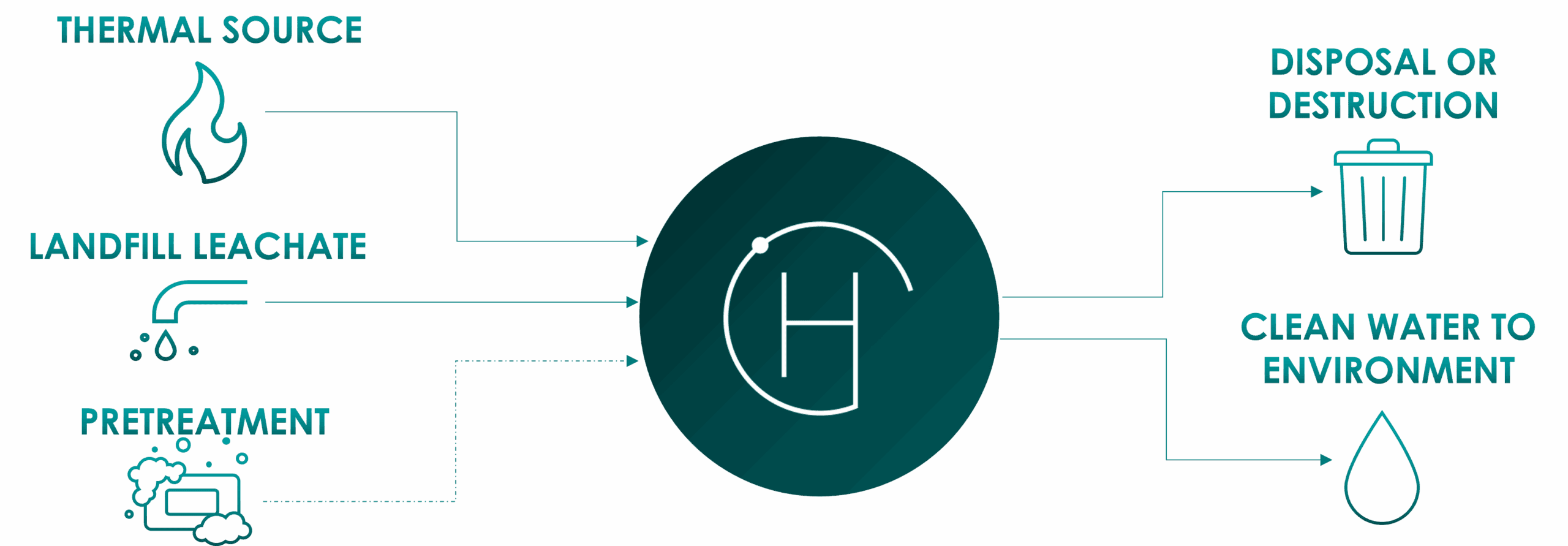
How Heartland’s landfill leachate treatment process works
Effective removal and secure containment of PFAS in leachate concentrate for on-site disposal.
-
Flexible Delivery OfferingEfficient and convenient solutions tailored to specific operational requirements.
-
Full-Service SolutionA complete offering from assessment and design to implementation and ongoing support.
-
Minimize Regulatory RiskEnsure compliance with regulations, reducing risk and providing peace of mind.
-
Established Disposal CertaintyPredictable, transparent pricing with long-term disposal solutions to avoid unexpected costs.
-
Assured PFAS SeparationEffective removal and secure containment of PFAS in leachate concentrate for on-site disposal.
Advanced landfill leachate treatment systems for modern waste streams
Landfill leachate has changed. Modern leachate contains PFAS, VOCs, ammonia, and other emerging contaminants that traditional leachate treatment technologies can’t handle effectively.
Heartland offers leachate treatment technology for what landfills face now. Our systems deliver proven performance against high-strength waste streams and provide secure containment for concentrated PFAS. Landfill gas, weather impacts, and evolving permit conditions all factor into how we engineer treatment technologies that stay ahead of regulatory curves.
When regulators demand more, legacy systems can’t adapt fast enough. Heartland’s advanced leachate treatment systems meet today’s standards with scalable, modular solutions. We also align our systems with broader wastewater treatment strategies, helping facilities manage leachate and other complex liquid waste streams on-site.
Custom leachate systems that fit your site and your budget
Every municipal landfill leachate site brings unique challenges, including limited space, unpredictable flows, and restricted capex budgets. Heartland addresses all of them.
We don’t sell boxed solutions. Our modular designs scale to your footprint and integrate with existing leachate collection systems. The Evaporation-as-a-Service model shifts costs from capital expenditure to manageable operational spending.
Heartland’s team of leachate management specialists handles everything: site assessment, system design, installation, and continuous optimization. Whether you manage solid waste at a regional facility or handle municipal solid waste for a county landfill, we tailor your system to reduce environmental pollution control risks and keep your leachate treatment running reliably.
Partner success stories



Landfill leachate FAQs
What is landfill leachate and why is it difficult to treat?
Landfill leachate forms when water moves through waste and collects contaminants. Its composition changes based on landfill age, rainfall, and waste makeup, making leachate treatment more complex than standard wastewater management.
Why are POTWs rejecting landfill leachate?
Many POTWs are limiting acceptance because landfill leachate contains PFAS, ammonia, heavy metals, and elevated dissolved solids that can strain municipal treatment systems.
How do on-site systems reduce costs?
On-site leachate collection and treatment reduces hauling expenses, lowers disposal volume, and improves long-term cost predictability by reducing dependence on third-party disposal providers.
How does thermal evaporation support leachate removal?
Thermal systems separate water from contaminants and concentrate waste into a smaller residual stream, simplifying landfill leachate treatment and downstream disposal management.