

Waste management has come a long way since refuse was dumped in pits or burned outside the city so many years ago. While such practices made it possible for small towns and communities to get rid of rotten food and old building materials, the rise of large cities and the onset of the Industrial Revolution made it clear that humans needed to find ways to get rid of garbage without spreading disease and contaminating the air, soil, and water.
Organizations such as the EPA and National Institute for Occupational Safety and Health were created to set standards for environmental protection and industrial safety to ensure that refuse materials ranging from hazardous chemicals to non-recyclable plastics didn’t wind up in the wrong place. However, while sustainable waste management plants still put priority on the proper disposal of chemical, biological, physical, and environmental hazards, cutting-edge technologies such as those used by our environmental treatment solutions make it possible to shift the focus from compliance to proactive risk prevention.
Safe Handling of Hazardous and Complex Materials
Every single waste disposal facility has to ensure that all hazardous materials are handled safely by:
- Identifying and segregating hazardous waste streams
- Using an appropriate sealed and labeled waste container for each type of waste
- Regularly inspecting equipment and secondary containment systems
- Training staff in spill response and emergency containment measures
Naturally, some waste materials are more hazardous than others. Topping the list are:
- PFAS (per- and polyfluoroalkyl substances)
- Biosolids (such as sewer sludge)
- Heavy metals (including arsenic, mercury, and lead)
- Volatile organic compounds (including propane, butane, formaldehyde, acetone, pesticides)
- Solvents
The EPA divides these forms of waste into four groups. These are the F, K, P, and U lists. Hazardous waste management procedures vary depending on which list a chemical or substance appears on.
On-site management and treatment play an integral role in preventing exposure and contamination. First, facilities need to purchase containers in appropriate colors for disposal of specific types of waste. Yellow containers are for waste contaminated with bodily fluids and/or pathogens, orange containers are for infectious waste, and black and yellow containers are for forms of waste that can be recycled, incinerated, or deep landfilled. Purple containers are for medications with cytotoxic properties or chemotherapy-related medications, while red containers are for body parts and waste streams from surgeries.
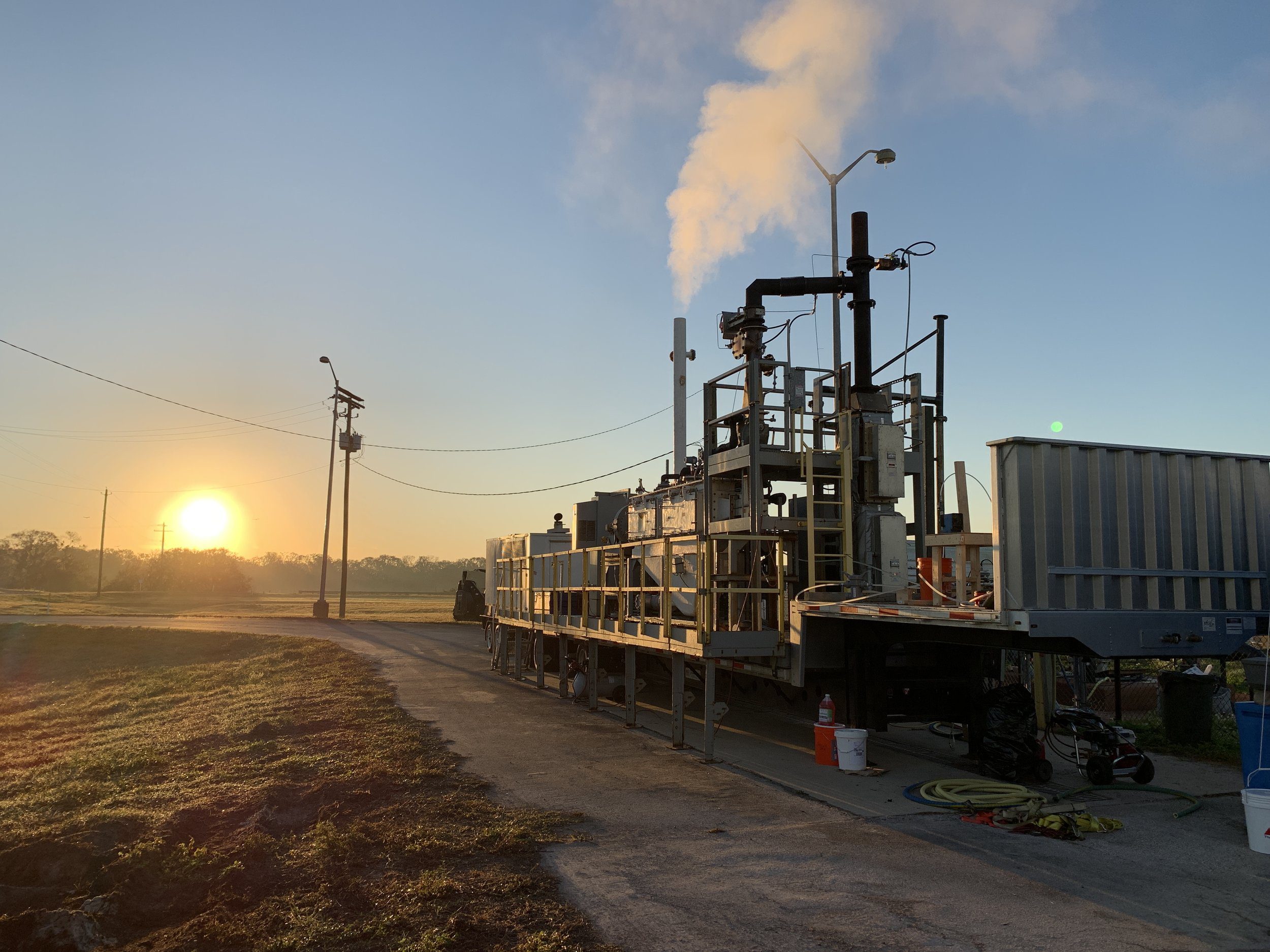
Each type of waste must be sorted on-site, and the containers sealed to prevent leaks. Companies and facilities also need to label and date these containers in accordance with EPA guidelines before calling a hazardous waste management company to remove the containers for incineration, neutralization, landfill disposal, or recycling. Companies can also use proprietary, approved disposal methods such as Heartlands’ HelioStorm™, a closed-loop PFAS destruction method that heats bio- and chemical waste to temperatures of up to 10,000°C in order to convert chemical and solid waste into clean energy.
Fire, Thermal, and Combustion Safety
Combustible products are some of the most dangerous forms of hazardous waste. If they explode, the poisonous fumes can cause serious health problems for anyone in the immediate vicinity. These include difficulty breathing, diminished visibility, disorientation, loss of motor coordination, loss of consciousness or even death.
While hazardous waste disposal companies use approved incinerators to prevent widespread damage, fire safety concerns remain. Furthermore, even an approved incinerator can release harmful gases such as dioxin, carbon monoxide, nitrogen oxide, and sulfur dioxide into the air. What’s more, the ash and sludge left over from the incineration process is then transferred to a landfill, posing a danger to the local environment.
Thankfully, modern technology is making it possible for combustible products to be eliminated without putting human or environmental health at risk. Waste pre-processing can remove non-combustible components from combustible waste to minimize air pollution and the disposal of hazardous substances in landfills. Waste to energy plants have sophisticated systems for destroying toxic compounds in waste and then turning the rest of the waste into energy for commercial or residential use. The waste management industry is also putting priority on real-time sensors and shutdown protocols to immediately identify dangerous conditions and eliminate them.
Worker Health, PPE, and Training Programs
PPE (personal protective equipment) is essential in protecting people who handle hazardous waste from disease, injuries, and death. The EPA’s minimal level of protection (Level D) requires workers to wear coveralls, gloves, safety glasses, a face shield, and chemical resistant steel-toe shoes or boots. However, basic PPE only protects workers from splashes, immersion, or unexpected inhalation of hazardous chemicals.
Level C protection, which includes disposable outer boots, an escape mask, a hard hat, chemical resistant gloves, and a full-face air purifying respirator, is required for those handling waste that emits airborne substances. Level B protection is for those who work at abandoned hazardous waste sites and other locations with high levels of airborne pollution and includes a self-contained breathing apparatus, chemical resistant gloves, a face shield, hooded chemical resistant clothing, and outer chemical resistant boots. Level A, which is the highest level of protection for the skin, eyes, and respiratory tract, includes a totally encapsulated chemical- and vapor-protective suit and disposable protective suit, gloves, and boots. These requirements align with regulatory guidance, such as the OSHA waste operations standards, which outline proper protective measures for hazardous waste procedures.
Moreover, wearing appropriate PPE isn’t enough. Companies that produce waste and chemical and solid waste management plants must provide employees and management with appropriate and continuous training to protect workers, nearby residents, and the environment from harm. Safety in such places is more than just a list of safety tip recommendations; rather, it’s a culture that prioritizes safety and accountability. Managers and leaders realize that safety is an asset rather than a compliance box to tick on a piece of paper. There are regular inspections and audits. Employees know that they can bring their safety concerns to managers anytime, without fear of retribution or punishment. The company’s safety culture is compliant with NIOSH and any applicable state requirements. Annual training includes:
- Emergency response drills and spill simulations
- PPE inspection, replacement, and fit-testing
- Chemical handling refreshers and hazard labeling updates
- A refresher on how to report and review near-miss incidents
Environmental and Air Quality Protection
Humans aren’t the only ones who need protection from hazardous waste material. Proper waste management should also protect the air, water, soil, and animals from poisonous substances and fumes. The Clean Air Act authorizes the EPA to set air quality standards for common pollutants such as carbon monoxide, nitrogen dioxide, and lead, while the Clean Water Act gives the agency authority to implement pollution control programs that prevent wastewater and pollutants from contaminating drinking water and groundwater.
Modern technologies have made it possible for waste disposal companies to not just adhere to federal requirements but even exceed them. Plasma gasification uses high temperatures to break down waste into slag (which can then be reused in concrete) or syngas, an ecofriendly fuel that can be used in fertilizers or to generate electricity. Concentrator systems can reduce the volume of wastewater, limiting environmental exposure to bio-hazards. Membranes such as those used by Heartland can even completely eliminate liquid discharge while also treating PFAS contaminants.
Transportation, Storage, and Site Logistics
Even the best waste disposal methods can’t prevent contamination without proper transportation, storage, and waste site logistics. Highway incidents are by far the most common, followed by air incidents. Thankfully, companies can prevent disasters by following EPA Hazardous Waste Manifest guidelines. These include:
- Filling out Manifest forms (using state-specific waste codes in addition to federal ones when required)
- Properly labeling and dating containers
- Ensuring all containers are completely sealed
- Using secondary containment measures to prevent leakage
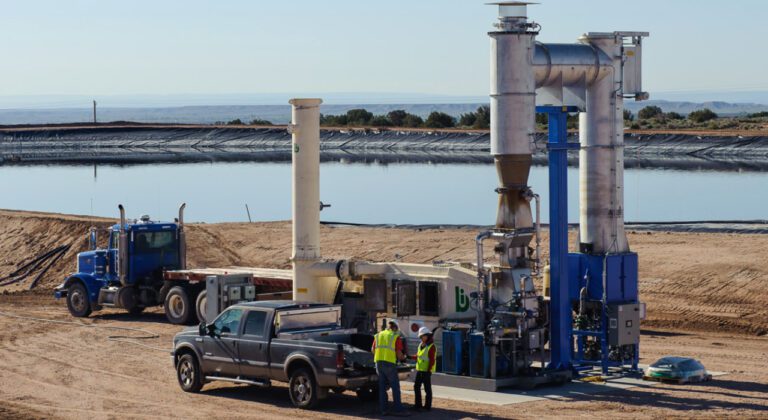
Heartland’s online system improves on basic safety standards by using concentrator technology to reduce hauling needs and associated risks. The system includes regular safety inspections of storage zones and loading areas as well as digital route tracking to improve oversight and emergency response times.
The Future of Waste Management Safety
As technology advances, waste management will become even safer and more efficient than it is right now. AI will make it possible for waste disposal companies to monitor data and make remote adjustments to prevent problems and address issues as soon as they arise. Large-scale collection of data can help companies not only address new issues but also find the most affordable and efficient ways to dispose of any type of waste. On-site and modular systems are set to reduce transport needs, which in turn reduces emissions and decreases the possibility of accidents. In the near future, AI-powered robots could handle the most hazardous forms of hazardous or mixed waste, improving workplace safety in multiple industries.
Turning Safety Knowledge Into Real-World Protection
Safe, ecofriendly waste management spells the difference between a clean, safe world and one that poses a constant risk of serious illness and death. Modern technology makes it easier than ever to dispose of industrial and household hazardous waste, but a proactive safety culture, ongoing safety training, and diligent following of federal and state regulations are a must to ensure that hazardous material is disposed of in a way that doesn’t harm humans or the local environment.
At the same time, companies cannot expect that what worked well in the past will continue to work well long-term. Regulations and expectations will evolve, and facilities will do well to work with a waste management partner that prioritizes innovation and uses advanced technology to stay ahead of risk and compliance challenges. Heartland offers cutting-edge solutions to processing multiple forms of hazardous waste in accordance with federal and state guidelines, making it safe and easy to dispose of any chemical, biological, solid, or mixed waste in the safest, most efficient, and most ecofriendly way possible. Contact us today to find out how our safety-focused solutions can meet your needs.