The History of Landfills and How They’ve Shaped Modern Waste Management
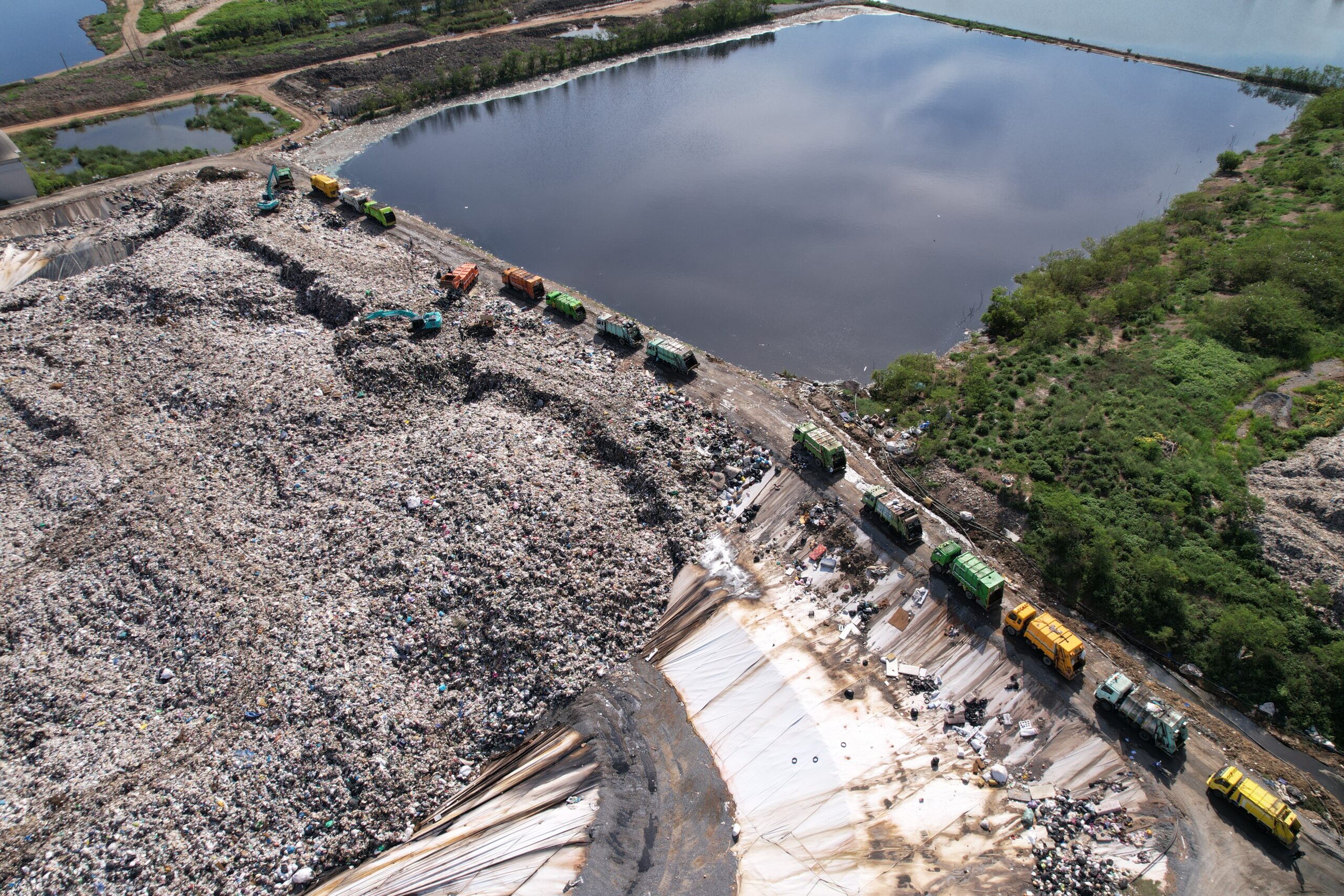


Today’s landfills are governed by state and federal regulations. Only certain types of waste can be dumped at a landfill to prevent irreparable environmental damage. Garbage approved for landfilling is compacted and then disposed of in a way that takes up as little space as possible. A biodegradable covering is used to promote fast decomposition. However, while landfills have been around for thousands of years, they weren’t always safe and ecofriendly waste disposal options. Understanding their ongoing evolution makes it possible to see not only how much humanity has progressed but also the importance of ongoing improvements and new, sustainable waste management solutions.
Early Waste Disposal: The History of Landfills
Early humans dumped their refuse outside their towns or villages. It was biodegradable, and there were no toxic hazards; unfortunately, it attracted wild animals and pests such as rats, flies, and roaches. The waste also became a breeding ground for germs and diseases, which were spread by animals and seepage into groundwater. Cretans were perhaps the first to realize the need for proper disposal and began burying their waste in large pits covered with soil. The ancient Greeks later made laws mandating that waste be dumped at least 1.5 kilometers from the town, while the ancient Romans were the first to sort their trash and recycle items made from reusable materials.
Unfortunately, waste disposal was even worse in the Middle Ages than in the times of the Ancient Greeks and Romans. There was no centralized authority to make rules for how to get rid of trash. Some communities set up designated areas for dumping refuse, while others buried their waste or threw it into nearby rivers. Many cities and villages burned their trash, which prevented the spread of disease and pest infestation, but also polluted the air. Countries began paying more attention to proper waste disposal after rats spread the Black Plague far and wide in the 1300s. However, most people were still unaware of the risks of open dumps and improper waste disposal until the onset of the Industrial Revolution. As cities grew and trash piles became exponentially larger (and less biodegradable), officials began paying attention to waste and how it was handled.
In the late 1700s, London became the first city to organize a municipal solid waste management system. The city also set up “dust yards” where “dustmen” would sort out soot, ash, bones, broken pottery and glass, and scrap metal for resale. About one hundred years later, large American cities also set up their own municipal waste disposal systems and landfills. The federal government got involved in 1899 by passing the Rivers and Harbors Act to stop homes and factories from dumping waste into navigable waters.
The Birth of Sanitary Landfills
England was the first country to set up sanitary landfills in the 1920s. The United States followed suit in the 1930s. Waste was disposed of in thin layers and covered with dirt before another layer of waste was deposited into the landfill. This method limited the spread of disease, made it possible for biodegradable waste to decompose faster than before, and decreased the risk of fires. However, chemicals and poisons from the waste were still seeping into groundwater and waterways until local governments started using bottom-liners in the 1960s. These liners, which were made using clay or impermeable synthetic materials, kept chemicals contained in the landfill to prevent leaching. Liners were also put over the top of landfills to stop rainwater from seeping into the garbage and mixing with toxic substances.
Unfortunately, since setting up sanitary landfills with liners wasn’t legally required, many companies and cities kept using open, unsanitary dumps until national governments passed laws mandating the safe, sanitary disposal of waste. The Solid Waste Disposal Act, which was passed in 1965, was the government’s first attempt at setting up regulations regulating how and where waste should be disposed. Congress later passed the Resource Conservation and Recovery Act (RCRA) in 1976, which banned the open dumping of solid waste, granted the EPA authority to regulate municipal solid waste landfills, and established a system for the safe disposal of hazardous waste. The Comprehensive Environmental Response, Compensation, and Liability Act (CERCLA), which was passed in the 1980s, authorized the Environmental Protection Agency to clean up abandoned toxic waste sites. The EPA also started regulating methane emissions from landfills, and the U.S. government strengthened its efforts with the passage of the Clean Air Act Amendments in 1990. These laws required landfill operators to install systems to collect methane gas. This gas was then either flared or used it for energy production.
Modern Landfills and Environmental Challenges
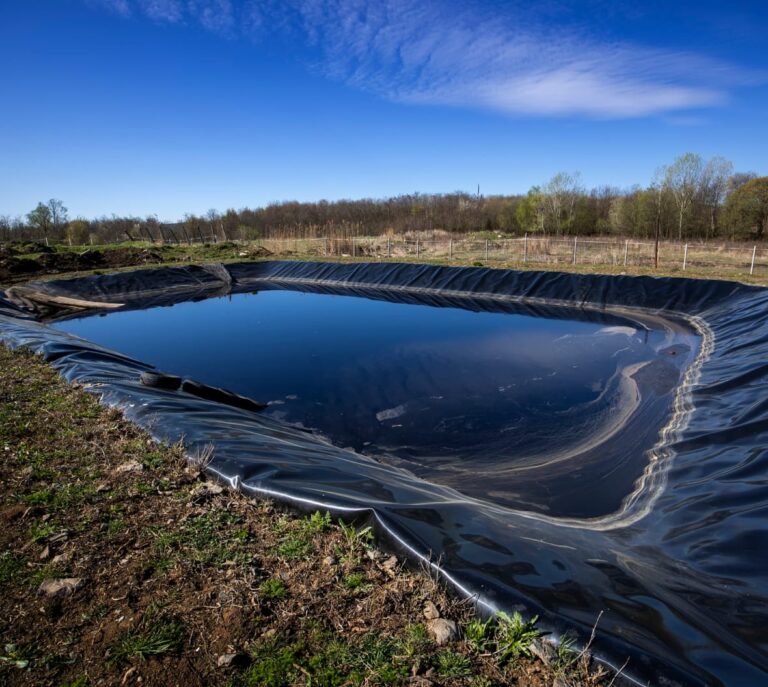
Modern landfills are a far cry from the landfills of decades past. The bottom is lined with clay and plastic before refuse is dumped inside. This liner connects to a leachate collection system that collects contaminated liquids and treats them. Solid waste is compacted to maximize storage space and covered with a layer of solid every day. When the landfill is full, it is covered with another layer of clay and plastic, and this layer is then covered with several feet of dirt, so plants can grow over the dump. Methane emissions from the landfill are collected in pipes so that it can be vented, burned, or even used as an energy source. Environmental management is prioritized rather than treated as an afterthought.
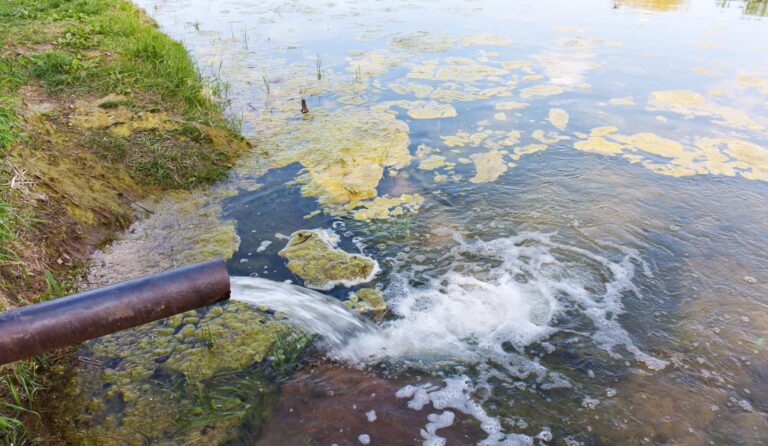
Even so, environmental challenges remain. Even though laws and regulations limit the spread of disease and toxic fumes, landfills still produce methane, CO₂, and leachate —liquid that forms when rainwater and moisture percolate through buried waste and extract contaminants. Leachate is especially problematic; a 2023 EPA study found a link between improperly managed landfills and groundwater contamination in nearly one-third of
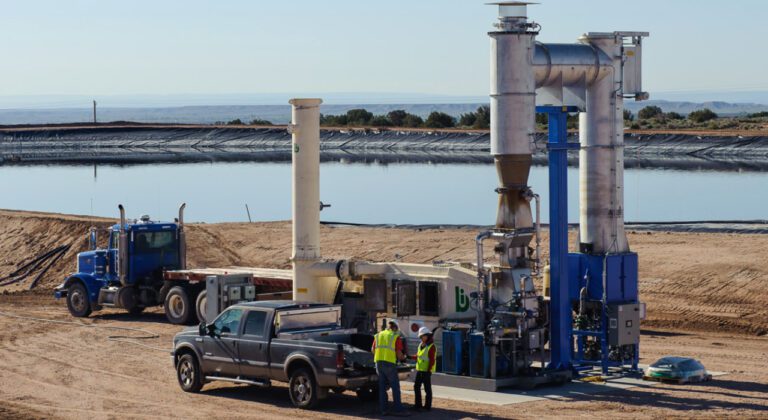
One of the most effective ways to address leachate risk is through thermal evaporation. By applying controlled heat to leachate, water is separated from dissolved contaminants, dramatically reducing liquid volume while concentrating pollutants into a smaller, more manageable residual stream. This approach minimizes the amount of contaminated liquid requiring off-site hauling or disposal, lowers long-term liability associated with groundwater contamination, and reduces reliance on energy-intensive treatment alternatives. When powered by recovered or waste heat, leachate evaporation can also significantly reduce greenhouse-gas emissions compared to conventional treatment methods, making it a practical and environmentally responsible solution for modern landfill operations.
The good news is new advanced treatment systems can help mitigate or even eliminate some of these risks. Heartland’s landfill leachate solutions use thermal evaporation to reduce leachate volumes onsite; this not only prevents contamination but also decreases CO₂ emissions. The company’s sustainable waste management solutions allow for on-site waste treatment to reduce the amount of waste that needs to be landfilled.
Waste Reduction and the Shift Toward Resource Recovery
As the twentieth century came to a close, it became clear that proper landfill management, on its own, isn’t enough to protect humans, animals, and the environment we all live in. In the U.S., the average person generates almost five pounds of waste every single day.
Existing landfill space can’t handle an unlimited amount of refuse, and there aren’t many new places for creating new landfills. The concept of recycling, which was popular in centuries past, gained traction once again. Many cities started curbside recycling programs. Companies began packaging their products in reusable and/or recyclable containers rather than single-use, disposable ones. Stores and shoppers began using cloth or paper shopping bags rather than plastic ones. Commercial and industrial composting began trending. The U.S. Composting Council, which was established in the 1990s, was so successful in its efforts to promote composting that there were three times as many compositing facilities as there were a decade earlier. Waste-to-energy facilities began using gasification, incineration, pyrolysis, and anaerobic digestion to turn waste into energy.
Looking Ahead — The Future Beyond Landfills
Advances in technology make it possible to manage the environmental impact of landfills. AI-powered sensors can monitor current and old landfills to sort waste and extract reusable materials. On-site sensors can monitor leachate in real-time and prevent it from seeping into the soil and groundwater. New technologies make it easier and cheaper than ever to extract methane from landfills and turn it into energy.
What’s more, it’s not unrealistic to say that, at some point in the future, landfills may become obsolete. The decrease in single-use plastic packaging, recycling, and compositing significantly reduce the amount of trash that needs to be landfilled. Waste-to-energy technologies are continually improving to transform more waste than ever into clean energy that can fuel cities and vehicles. AI-powered machinery can sort recyclable materials from non-reusable materials before disposal. What’s more, decentralized waste management is becoming increasingly popular as waste management companies use cutting-edge technologies to eliminate waste on-site rather than transporting it to a landfill site.
Heartland is a long-standing leader in sustainable, efficient waste management and disposal. Our cutting-edge technology enables us to help companies and industries dispose of on-site waste in accordance with federal and state regulations. Our waste conversion and energy upcycling programs transform garbage into valuable assets that benefit our clients and local communities alike. The Heartland team is continually looking for new and better ways to minimize, manage, and transform residential and industrial garbage. What’s more, we offer turnkey solutions and permitting assistance to make it easy for anyone to use our services right away and at minimal cost. Contact us today to find out what top-tier waste management can do for your business.