

Why WWTPs Are Limiting Leachate and Industrial Wastewater
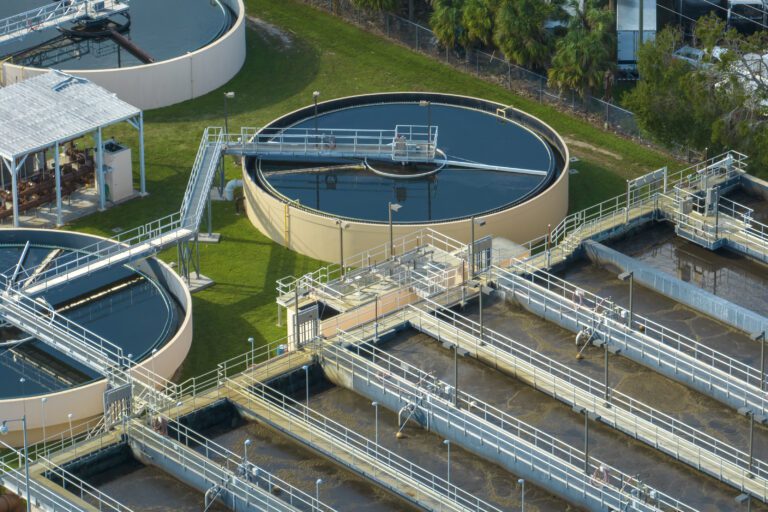
Across the United States, municipal wastewater treatment plants (WWTPs) are tightening acceptance policies for landfill leachate and other high-strength industrial wastewaters. In many cases, facilities that once accepted these streams are reducing volumes, increasing costs, or refusing them entirely. This shift is driven by a combination of regulatory pressure, evolving contaminant concerns, and operational risk.
Historically, WWTPs accepted leachate as a supplemental revenue source. It provided additional influent volume and helped offset operating costs. Today, however, the landscape has changed. Plants are increasingly held accountable for what leaves their systems, not just what enters them. Effluent limits for contaminants such as PFAS, nutrients, and total dissolved solids are tightening, and operators are being pushed closer to permit boundaries.
This has led to what many in the industry describe as “gate closures.” These closures do not always mean a full refusal of waste. They may take the form of reduced allowable volumes, higher tipping fees, stricter pretreatment requirements, or abrupt policy changes. Regardless of how they occur, the outcome is the same: reduced access to offsite disposal.
This trend is not isolated. It reflects a broader nationwide shift toward risk reduction and regulatory compliance. Municipal operators are becoming more selective about influent streams, particularly those with uncertain or highly variable chemistry. As a result, landfill operators and industrial generators are facing increasing challenges in securing reliable disposal pathways.
The Role of PFAS in Changing Disposal Practices
One of the most significant drivers behind these changes is the growing focus on PFAS. These compounds, often referred to as “forever chemicals,” are persistent, resistant to degradation, and increasingly subject to regulatory scrutiny. As monitoring requirements expand, PFAS is becoming a central concern in wastewater management decisions.
WWTPs are not designed to destroy PFAS. Instead, these compounds tend to pass through treatment processes and appear in effluent or become concentrated in biosolids. This creates downstream challenges. Effluent discharges are more closely regulated, and biosolids applications are facing increased restrictions due to PFAS detection.
Municipalities are responding to these pressures by limiting the acceptance of high-risk influent streams. Landfill leachate is often included in this category due to its potential to contain PFAS and other complex contaminants. Increased sampling, monitoring, and reporting requirements add cost and operational burden, making acceptance less attractive.
Public scrutiny also plays a role. Communities are more aware of PFAS risks, and utilities must demonstrate that they are protecting environmental and public interests. This has led to a more cautious approach to influent management.
Heartland’s work in PFAS solutions reflects this shift. Facilities are seeking ways to manage these contaminants more effectively, rather than relying on systems that were never designed to address them.
High TDS and Biological Treatment Limitations
In addition to PFAS, high total dissolved solids (TDS) present another major challenge for WWTPs. TDS refers to the concentration of dissolved salts and minerals in water. While some level of TDS is expected in municipal wastewater, elevated concentrations can disrupt treatment processes.
Biological treatment systems rely on microorganisms to break down organic material. These organisms function best within a relatively stable chemical environment. High salinity can create stress conditions that inhibit microbial activity, reducing treatment efficiency.
Leachate and industrial wastewater often contain elevated and highly variable TDS levels. This variability introduces operational risk. Sudden changes in influent chemistry can impact treatment performance, pushing plants closer to permit limits or causing process instability.
High TDS can also contribute to infrastructure challenges. Corrosion rates may increase, leading to higher maintenance costs and shorter equipment lifespans. For municipal plants designed around predictable residential influent, these impacts can be significant.
As a result, many WWTPs are limiting or rejecting streams with high TDS concentrations. This reinforces the broader trend of reducing acceptance of complex and high-strength wastewater.
Rising Costs and Disposal Volatility
As acceptance becomes more restrictive, the cost of offsite disposal continues to rise. Facilities that rely on trucking wastewater to WWTPs are experiencing increased fees, tighter contract terms, and greater uncertainty.
Several factors contribute to this trend:
- Increased sampling and pretreatment requirements raise operational costs
- Higher tipping fees reflect the added risk and regulatory burden on WWTPs
- Fuel price volatility increases transportation expenses
- Municipal plants prioritize capacity for population growth, limiting availability for external waste
In many cases, disposal agreements that once seemed stable are becoming unpredictable. Facilities may reduce allowable volumes with little notice or impose new requirements that significantly increase costs.
A common scenario involves an operator relying on a single WWTP for disposal. When that facility changes its acceptance policy, the operator is forced to find alternatives quickly. This often means trucking waste farther distances at higher rates, increasing both cost and logistical complexity.
This volatility makes long-term planning difficult. Without predictable disposal pathways, operators face ongoing uncertainty in both budgeting and operations.
What Gate Closures Mean for Operators
When a WWTP limits or refuses waste, the impact can be immediate and disruptive. Operators must quickly identify alternative disposal options, often under time pressure and at increased cost.
Emergency hauling arrangements are common in these situations. However, these solutions typically come with premium pricing and limited availability. Transportation logistics become more complex, and operational risk increases.
Onsite storage capacity can also become a constraint. Many facilities are not designed to hold large volumes of wastewater for extended periods. If storage limits are exceeded, operators may face regulatory violations or operational shutdowns.
Additional scrutiny from regulators is another potential consequence. Backlog situations can trigger inspections, reporting requirements, and enforcement actions. Even temporary disruptions can have long-term implications.
The financial impact can be significant. Budget assumptions based on stable disposal costs may no longer hold, forcing capital reprioritization or operational adjustments. For many operators, the true risk of disposal disruption is not fully recognized until it occurs.
Onsite Treatment as a Practical Alternative
In response to these challenges, many operators are evaluating onsite treatment as a more controlled approach to wastewater management. Rather than relying entirely on offsite disposal, facilities can reduce volume and manage contaminants closer to the source.
Onsite treatment provides several practical benefits:
- Reduces wastewater volume before disposal
- Concentrates contaminants into smaller, manageable residual streams
- Decreases hauling frequency and associated costs
- Improves cost predictability
- Supports compliance with evolving regulations
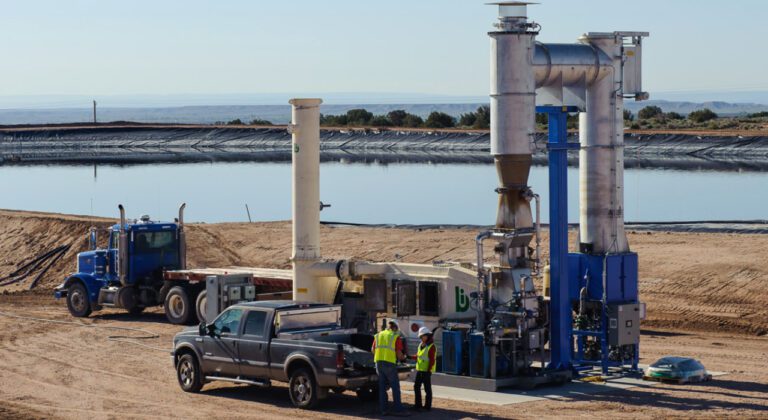
Thermal concentration technologies are particularly effective for high-strength wastewaters. By removing water and isolating contaminants, these systems significantly reduce the volume requiring disposal.
Heartland’s approach to landfill leachate treatment focuses on this principle. By concentrating contaminants into a smaller stream, facilities can better manage disposal while maintaining operational control.
This approach is not simply a reactive measure. It represents a strategic shift toward greater independence from external disposal markets and increased resilience in the face of regulatory change.
Simple Cost and Risk Comparison: Onsite vs. Offsite
When evaluating disposal strategies, operators often compare onsite treatment with traditional offsite hauling. Each approach has tradeoffs that must be considered carefully, particularly as regulatory requirements tighten and disposal markets become less predictable.
What may appear cost-effective in the short term can introduce significant variability over time, especially when acceptance policies, transportation costs, or compliance expectations shift. Understanding the financial and operational implications of each option is essential for making informed, long-term decisions.
|
Factor |
Offsite Disposal |
Onsite Treatment |
| Cost Predictability | Variable, subject to market changes | More stable over time |
| Regulatory Exposure | Dependent on third-party compliance | Greater direct control |
| Trucking Reliance | High | Reduced |
| Liability Risk | Shared but uncertain | More controlled |
| Scalability | Limited by external capacity | Adjustable with system design |
| Business Continuity | Vulnerable to disruptions | More resilient |
Offsite disposal may offer lower upfront costs, but it introduces long-term variability. Onsite treatment requires initial investment but provides greater control over costs and operations.
This comparison highlights a key distinction: offsite disposal transfers risk, while onsite treatment allows operators to manage it directly.
Staying Ahead of the End of Easy Disposal
The landscape for wastewater disposal is changing. What was once considered routine is becoming more complex, regulated, and uncertain. The concept of easy disposal is being replaced by a need for more strategic and controlled approaches.
Operators can take several steps to prepare:
- Monitor leachate chemistry trends to identify changes early
- Maintain open communication with WWTP partners regarding policy shifts
- Evaluate onsite treatment options as part of long-term planning
- Model potential cost increases and disposal scenarios
- Integrate wastewater strategy into broader asset management decisions
The reality is that landfill leachate disposal restrictions are becoming more common. Facilities that plan ahead are better positioned to manage this transition without disruption.
The end of easy disposal does not mean fewer options. It means better-informed decisions and more controlled strategies. By shifting from reactive to proactive management, operators can reduce risk, stabilize costs, and maintain compliance in an evolving regulatory environment.
Operators evaluating their long-term wastewater strategy should consider current disposal constraints and future regulatory pressures. Contact us to start a conversation with our waste solutions team and explore practical options for reducing disposal risk, improving cost control, and strengthening operational resilience.