What Is Deep Well Injection? Understanding the Process, Risks & Uses


What Is Deep Well Injection?
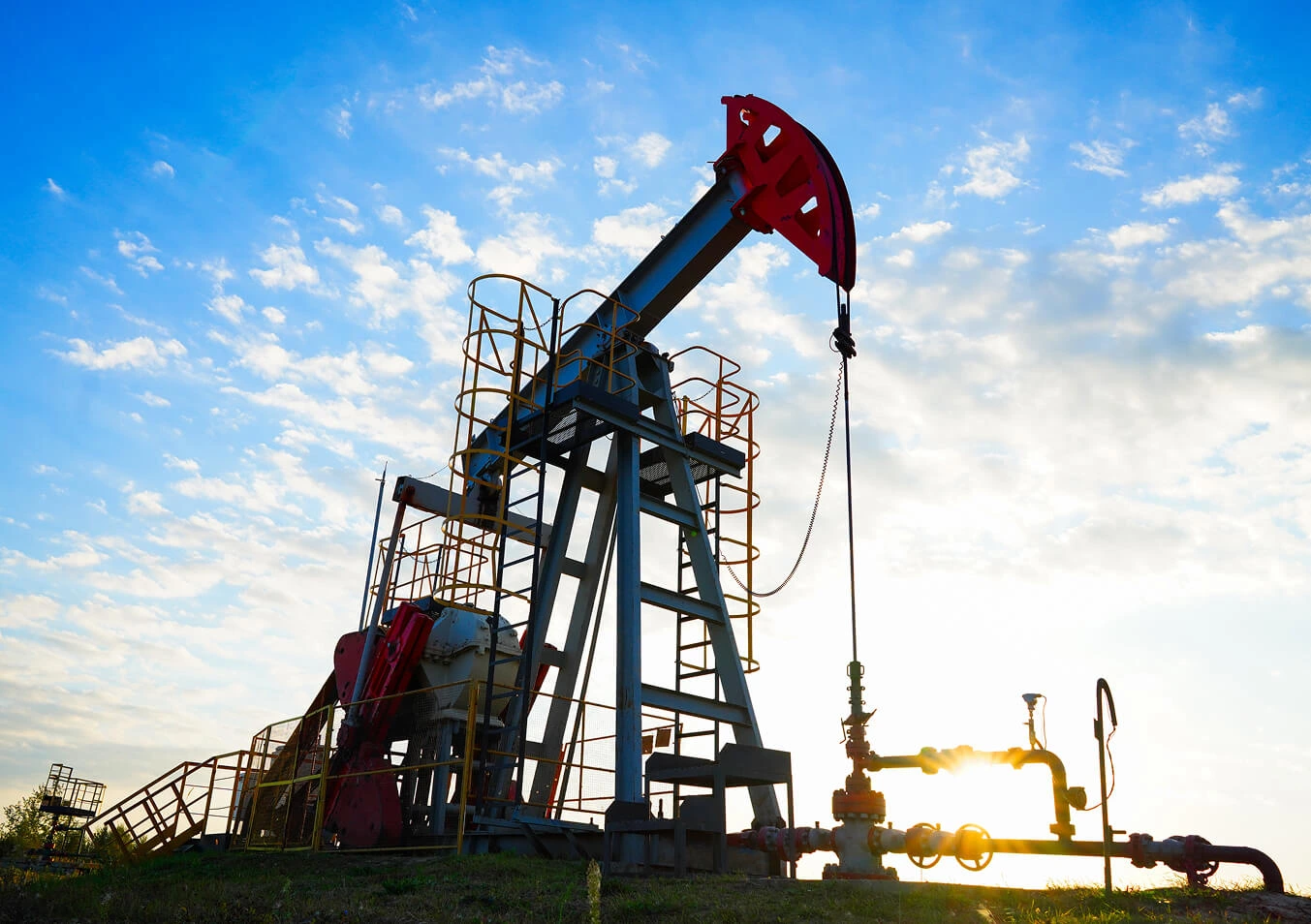
Deep well injection is a widely used method for managing certain industrial liquid waste streams, particularly when surface-based treatment or disposal options are limited. At its core, deep well injection refers to the practice of pumping liquid waste thousands of feet below the Earth’s surface into carefully selected geologic formations that are isolated from usable groundwater and surface ecosystems.
This disposal method is used when waste materials are difficult to treat, recycle, or discharge through conventional industrial wastewater treatment options. Industries handling large volumes of chemically complex fluids often rely on this approach to remove waste from the biosphere altogether. By placing waste at extreme depths, operators aim to prevent interaction with soil, surface water, or biologically active zones.
A deep well is engineered to access rock formations far below aquifers and other sensitive zones. These formations are chosen because they are porous enough to accept fluids while being sealed by dense, impermeable rock layers above and below. The waste is injected under controlled pressure, allowing it to disperse laterally within the target zone while remaining confined.
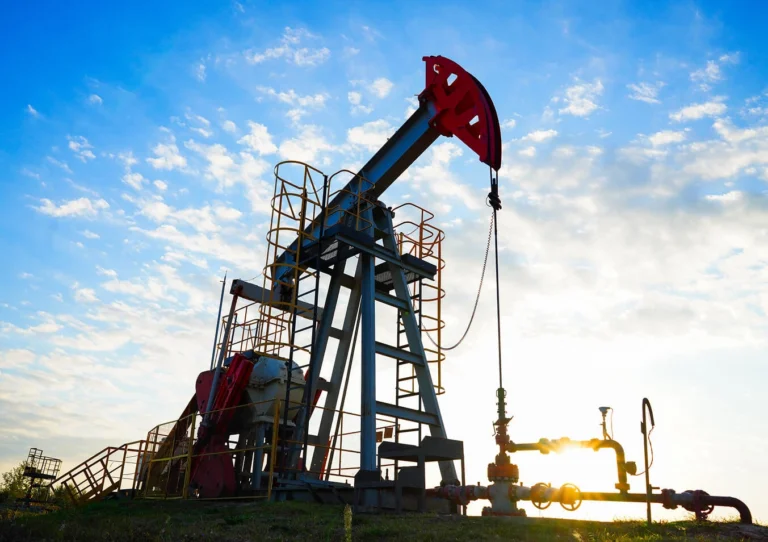
Injection wells are commonly used in sectors such as oil and gas production, chemical manufacturing, power generation, and landfill leachate management. In each case, the underlying objective is the same: long-term isolation of waste that cannot be safely released or reused at the surface.
Oversight of this practice in the United States falls under the Environmental Protection Agency’s Underground Injection Control (UIC) program, which classifies wells by use and establishes technical and monitoring requirements intended to protect groundwater and surrounding environments.
How Deep Well Injection Works: Wells, Geology & Engineering
The effectiveness of deep well injection depends heavily on engineering precision and geological suitability. An injection well is not simply a drilled hole but a complex system designed to contain waste under pressure for decades.
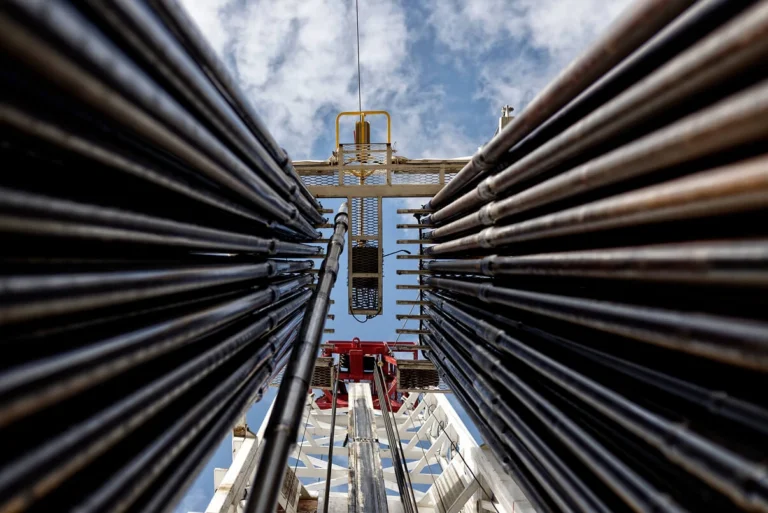
Construction begins with drilling to depths that may reach several thousand feet below ground. The wellbore is lined with multiple layers of steel casing, each cemented into place to create redundant barriers. These layers are designed to prevent waste from migrating upward or laterally into unintended zones. Continuous monitoring systems track pressure, flow rates, and mechanical integrity throughout operation.
Geology plays a critical role. Suitable formations are typically deep sedimentary rock layers that can absorb fluids, such as sandstone or limestone, overlain by thick caprock made of shale or similar impermeable material. This natural barrier system works in combination with engineered controls to isolate waste from overlying water-bearing formations.
Deep injection wells are used to manage a range of materials, including industrial wastewater, brine from energy production, and other regulated liquid waste streams. Before any waste is approved for disposal, operators must demonstrate chemical compatibility with the formation and confirm that injection will not fracture surrounding rock.
Proper site selection requires extensive seismic analysis, test drilling, and modeling to predict how fluids will behave underground. Pressure management is especially critical, as excessive injection pressure can compromise containment or affect nearby fault systems.
Advantages of Deep Well Injection
Industries have historically chosen deep well injection for several practical reasons, particularly when managing large volumes of liquid waste that are difficult to treat or dispose of at the surface. When properly designed, permitted, and operated, injection can provide a controlled disposal pathway for specific waste streams.
One of the primary advantages is capacity. Deep injection wells can handle continuous, high-volume liquid residuals that would otherwise require extensive surface storage, frequent hauling, or complex treatment processes. For facilities with steady waste generation, this scalability has made injection an attractive option.
Injection also reduces surface-level risks associated with above-ground handling. By placing waste thousands of feet below ground in isolated geologic formations, operators can minimize exposure to spills, odors, and air emissions that may occur during surface storage or transport.
From an economic perspective, waste injection has often been viewed as cost-effective over long operational periods. While upfront permitting and construction costs can be significant, a permitted well can operate for years with relatively predictable operating expenses compared to repeated hauling or off-site treatment.
Commonly cited advantages of deep well injection include:
- High-volume disposal capability: Suitable for facilities generating large, continuous liquid waste streams.
- Isolation from surface environments: Waste is placed far below soil, surface water, and active ecosystems.
- Reduced surface handling risks: Lower potential for spills, odors, and airborne emissions compared to surface storage.
- Operational predictability: Once constructed, wells can provide long-term disposal stability under consistent regulatory oversight.
- Reduced reliance on landfills or impoundments: Helps avoid capacity limits, community opposition, and long-term maintenance of surface disposal sites.
For waste managers, these advantages have traditionally provided a predictable disposal pathway for chemically complex or highly saline fluids. That said, the benefits of deep well injection must always be weighed against regulatory obligations, monitoring requirements, and the long-term responsibilities associated with permanent subsurface disposal.
Risks, Limitations & Public Concerns
Despite its widespread use, deep well injection is not without risk. As scientific understanding of subsurface systems has advanced, scrutiny has increased around the long-term environmental and operational implications of injecting liquid waste deep underground. While the practice is highly regulated, it relies on complex geological and engineered systems that must perform reliably over decades.
One potential failure point is mechanical integrity. Over time, well casings can corrode, cement can degrade, or seals can fail, creating possible pathways for waste migration. Monitoring and testing programs are designed to identify integrity issues early, but they reduce risk rather than eliminate it.
Induced seismicity is another area of concern. In some regions, pressure changes associated with deep injection have been linked to increased seismic activity when fluids interact with existing fault lines. Although not all injection wells pose this risk, it has led regulators to impose tighter controls on injection rates, volumes, and operating pressures.
Long-term liability also remains a critical consideration. Once waste is placed underground, retrieval is effectively impossible. This permanence raises questions about responsibility decades into the future, particularly if site conditions evolve or regulatory standards change.
Public concern often centers on groundwater protection and transparency. Communities want assurance that disposal practices will not compromise water resources or environmental safety, including protection of drinking water sources, even though injection zones are located far below usable aquifers.
Key risks and limitations commonly associated with deep well injection include:
- Mechanical degradation over time: Long-term exposure to pressure, temperature, and chemical stress can affect casing and cement performance.
- Geologic uncertainty: Even with extensive site characterization, subsurface behavior cannot be predicted with absolute certainty.
- Induced seismic activity: Injection pressures may influence existing fault systems under specific conditions.
- Permanent waste placement: Once injected, waste cannot be recovered if future remediation is required.
- Public trust and transparency challenges: Ongoing monitoring, reporting, and communication are essential to maintaining community confidence.
Emerging contaminants such as PFAS contamination challenges add further complexity. Their persistence and mobility have prompted regulators to re-evaluate whether underground disposal alone provides sufficient long-term containment, reinforcing the need for careful site selection and risk assessment.
Regulatory Framework for Deep Well Injection
In the United States, the regulatory backbone for underground injection is the EPA’s Underground Injection Control program. This framework establishes standards intended to prevent contamination of groundwater and ensure the mechanical integrity of wells throughout their lifecycle.
Under the UIC program, operators must complete extensive permitting processes before injection begins. These include area-of-review studies to identify nearby wells or faults, geologic evaluations to confirm formation suitability, and baseline groundwater monitoring.
Once permitted, facilities are required to conduct regular mechanical integrity testing, monitor injection pressures, and submit periodic reports to regulators. Any deviation from approved conditions can trigger corrective action or suspension of operations.
States may administer the program directly and often impose additional requirements tailored to local geology or environmental priorities. As regulatory focus increases on persistent contaminants and cumulative impacts, compliance expectations continue to evolve.
The result is a system that demands continuous oversight rather than one-time approval. For operators, maintaining compliance requires ongoing investment in monitoring, documentation, and risk management.
Understanding Deep Well Injection & Considering Alternatives
Deep well injection remains a widely used and heavily regulated method for disposing of certain types of waste, but it is not a universal solution. Its suitability depends on geology, waste characteristics, regulatory context, and long-term risk tolerance.
Before choosing this approach, decision-makers should carefully evaluate whether underground injection aligns with their operational goals and future obligations. Factors such as monitoring requirements, liability horizons, and emerging regulatory pressures all play a role in determining viability.
In some cases, alternative strategies may offer greater control and reduced long-term risk. On-site treatment, volume reduction, or high-temperature destruction technologies can address waste closer to the source, minimizing dependence on permanent subsurface disposal.
Heartland works with industrial and municipal clients to assess waste streams, regulatory exposure, and infrastructure options. By focusing on engineered solutions that reduce environmental risk at the source, organizations can make more informed decisions about how best to manage complex waste challenges.
To discuss how your facility can evaluate disposal options or explore alternatives to injection, contact us to start a conversation with our waste solutions team.