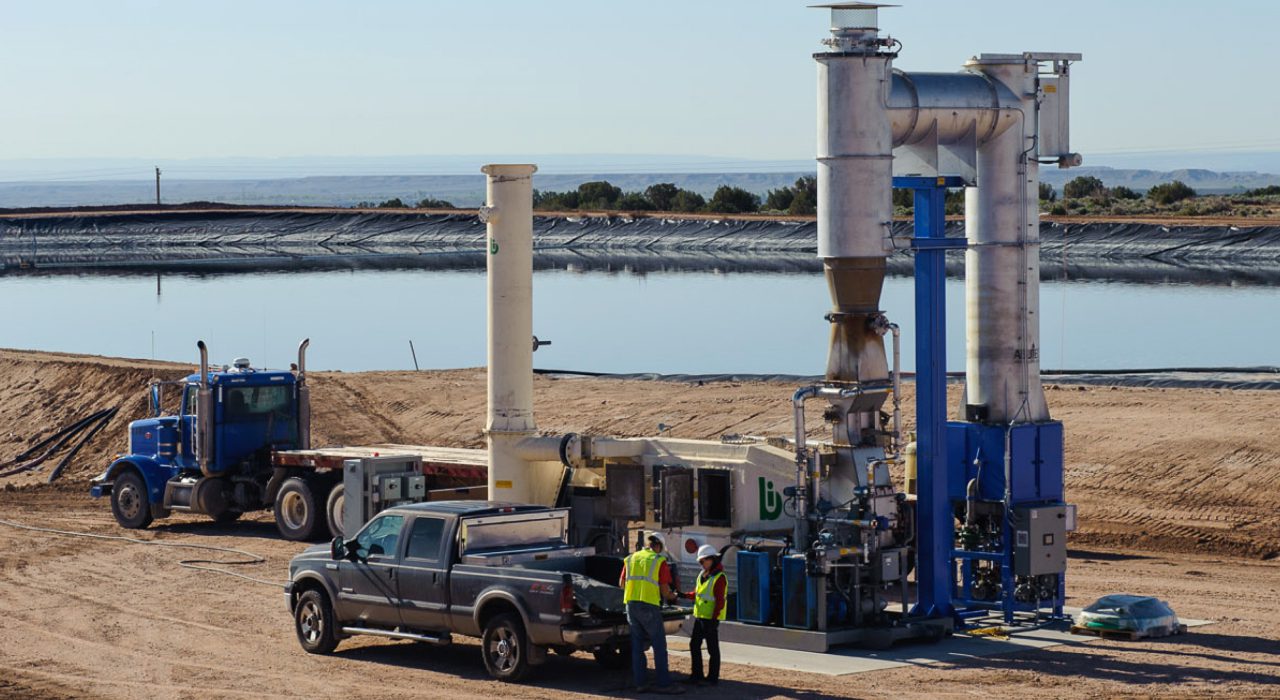


The deep well disposal method is a waste management method involving the injection of liquid hazardous or
non-hazardous industrial waste, wastewater, oil and gas brine, and leachate concentrates into porous, isolated underground geological formations. These formations are typically over a mile below the surface and thousands of feet below groundwater sources. The purpose is to achieve long-term, secure isolation of liquid waste from the environment and drinking water aquifers.
Deep well disposal is performed by drilling deep underground into porous rock formations below the earth’s surface. A well is then constructed in the rock formation to contain the liquid waste. The well features multiple layers of steel casing and cement, creating a redundant, leak-proof barrier to hold the waste.
The formations used are usually sandstone and limestone sandwiched beneath thick, impermeable rock layers. This keeps the liquid waste from contaminating fresh water sources. Once the well is constructed and secure, liquid waste is pumped under high pressure into the well. The well is then capped. Liquid waste stored this way can remain contained safely for thousands of years.
Deep well injection is different from surface disposal and shallow injection wells. Surface disposal involves releasing waste materials directly into the ground, into shallow pits, or into containers in the ground. This method can allow waste materials to infiltrate into surface soil or shallow groundwater. Drain fields and septic systems generally use surface disposal. Shallow injection wells discharge waste fluids directly into or above underground sources of drinking water. This is typically performed at shallow depths compared with deep well injection.
How Deep Well Injection Systems Operate
Deep well injection sites are carefully selected to ensure they are stable, geological formations that do not shift and are not prone to earthquakes or other seismic activity. Once a site is selected and all permitting and feasibility studies are completed, drilling begins to the underground formation.
A well is constructed and secured with a series of layers of casing: surface casing, intermediate casing, and longstring casing. The initial casing starts out large and the following casings become smaller in diameter moving downward to the zone where the liquid waste will reside.
Design of Deep Well Casing
- Surface casing: The outermost steel casing is cemented into place to protect freshwater aquifers from contamination. Typically, steel alloys are used.
- Intermediate casing: Additional steel alloy casings are used that provide a second, deeper layer of protection. This is usually sealed with cement. Fiberglass may be used for chemical resistance.
- Longstring casing: This is the deepest casing extending down to the top of the injection zone.
As the casing sets and rock below it is drilled out, the next casing is set, cemented, and sealed. The process continues with each deeper casing. The layers of casing and seals keep the liquid waste from escaping into freshwater aquifers. Once the wells and casing are set, liquid waste is injected under high pressure via a steel pipe or tube into the well. Once the well is filled the space between the injection tube and surface casing are capped or sealed with a non-corrosive fluid that is pressurized to monitor the integrity of the well. If the well leaks or fluid migrates it is visible from this space.
What Types of Waste Are Disposed of Through Deep Wells?
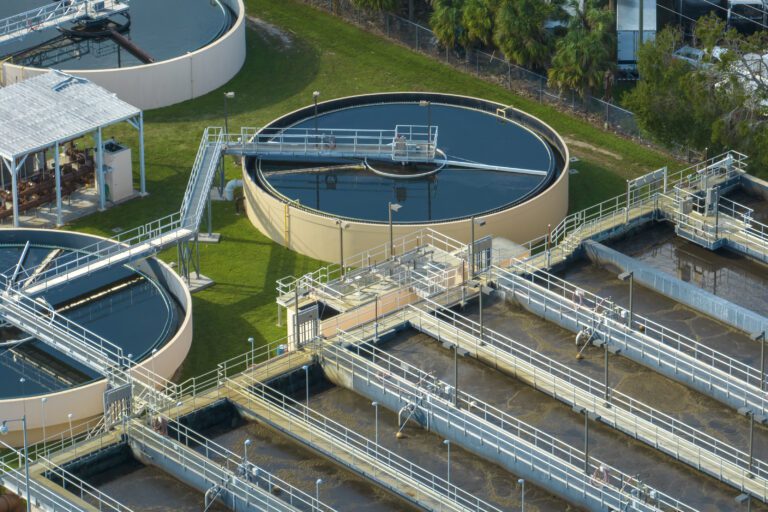
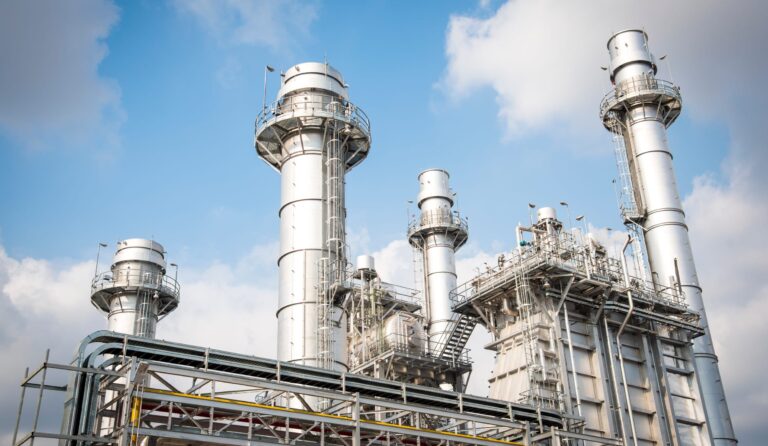
The deep well disposal method is primarily used by the oil and gas, chemical, industrial, and manufacturing sectors. Major users of deep wells include petroleum refineries, metal production plants, food processors, and municipal wastewater treatment facilities seeking to manage brine, wastewater, and effluent.
Waste Stored in Deep Wells
- Oil and gas: Disposing of brine, wastewater, and high-total dissolved solids (TDS) from drilling operations.
- Chemical and material manufacturing: Disposal of industrial, hazardous, and non-hazardous waste fluids, TDS, and per- and polyfluoroalkyl substances (PFAS), also known as forever chemicals.
- Pharmaceutical: Disposal of complex chemical waste.
- Municipal wastewater: Used to manage wastewater, particularly in areas such as Florida.
- Metal production: Disposal of processing by-products, such as PFAS and TDS.
- Food production: Disposal of high-volume processing wastewater.
- Mining: Disposal of mining effluent and mining by-products.
- Commercial waste: Specialized companies that manage waste from various smaller generators.
- Power generation: Management of waste generated during energy production.
Regulatory Framework Governing Deep Well Disposal
Deep well disposal is heavily regulated in the United States. The Environmental Protection Agency (EPA) has an Underground Injection Control (UIC) program, established by the Safe Drinking Water Act (SDWA) of 1974.
The UIC program mandates strict permits and geological studies. Wells are divided into classes of hazardous and non-hazardous liquid wastes and gases.
UIC Well Classes
Hazardous Wells
- Class I wells: Used to inject hazardous and non-hazardous wastes into deep, isolated rock formations.
- Class II wells: Used exclusively to inject fluids associated with oil and natural gas production.
- Class III wells: Used to inject fluids to dissolve and extract minerals.
- Class IV wells: Shallow wells used to inject hazardous or radioactive wastes into or above a geologic formation that contains a source of drinking water.
Non-Hazardous Wells
- Class V wells: Used to inject non-hazardous fluids underground. Most Class V wells are used to dispose of wastes into or above underground sources of drinking water.
- Class VI wells: Wells used for injection of carbon dioxide (CO2) into underground subsurface rock formations for long-term storage, or geologic sequestration.
Oversight in many cases is handled by states enforcing federal standards directly. States must meet EPA requirements to obtain this primacy, otherwise the EPA manages the program for the state. Permits for building Class I-IV wells and Class VI wells require stringent technical reviews, construction standards, and monitoring. A permit is not required for Class V wells. In some cases, the EPA requires a 10,000-year security guarantee that liquid wastes will not contaminate drinking water.
Benefits of the Deep Well Disposal Method
Industries use deep well disposal to safely and permanently dispose of liquid hazardous and non-hazardous waste. This method isolates waste below porous rock layers protecting drinking water aquifers. Deep well disposal is suitable for high-salinity or complex waste streams. It offers a cost-effective alternative when compared with expensive surface treatment of waste.
Risks and Concerns Associated with Deep Well Injection
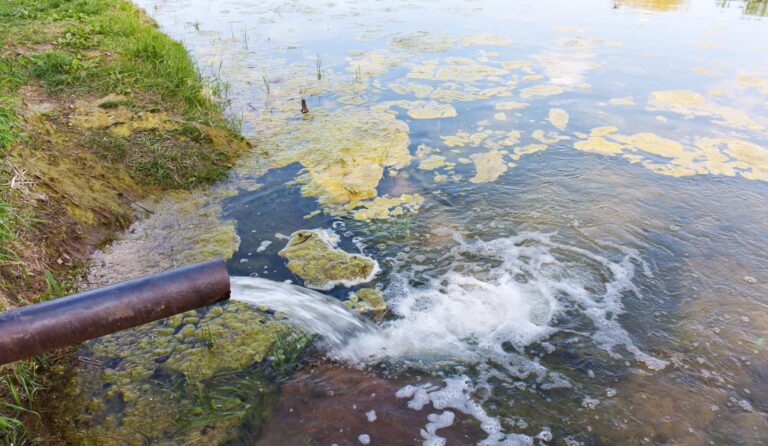
There are environmental risks and disadvantages of deep well injection. The main concern being groundwater contamination from liquid hazardous waste migrating into drinking water aquifers. This can happen over time through fractures and worn seals in the casing of wells. Liquid hazardous waste can take decades to migrate underground and surface to higher level drinking water.
Contamination may not be detected until health issues start to appear in the population and it is too late for remediation. This possibility creates public perception concerns and risks the trust of communities where deep wells may be sited. Residents fearing possible future contamination may voice opposition and influence permitting decisions by the EPA.
Injecting high-pressure wastewater into wells can also cause induced seismic activity or earthquakes. This can happen when faults in the earth become pressurized creating fissures and breaks. This energy then travels to the surface creating an earthquake.
Alternatives to Deep Well Disposal
There are some alternatives to deep well disposal. These methods include waste reduction and reuse programs that seek to process and filter waste so it is recoverable and reuseable.
Alternative Applications
- Wastewater treatment: Industrial wastewater can be filtered, treated, and reused for irrigation, livestock watering, or industrial processes, such as fracking. This recycling reduces the need for disposal.
- Evaporation ponds: Waste can be stored or evaporated in pits.
- Incineration: Liquid wastes can be boiled in industrial boilers for volume reduction and destruction of contaminants.
- Solidification: Liquid wastes can be mixed with solid agents to form a stable, solidified material that can be disposed of in a secure landfill.
- Zero liquid discharge: Using advanced filtration and evaporation methods Zero Liquid Discharge (ZLD) solutions can remove harmful contaminants from wastewater for onsite disposal.
When Is Deep Well Disposal the Right Choice?
Deep well disposal is the right choice when safely managing large volumes of liquid hazardous or non-hazardous industrial waste that is difficult to treat. Many times, surface treatment and disposal methods are too costly or environmentally hazardous. Wastewater from chemical manufacturing, refinery operations, and power generation are good candidates for deep well disposal.
Many factors come into play when evaluating whether deep well disposal is appropriate, such as the correct underground geology, the waste stream itself, the regulatory environment, community response, logistics of transporting waste for treatment, and liability considerations.
When reviewing your waste stream options, it is always good to have a knowledgeable partner that is an industry expert. This is where Heartland can help. We work with operators, municipalities, and industrial facilities to evaluate waste streams and identify solutions that minimize risk, while supporting compliance and operational resilience. Decision-makers evaluating injection, treatment, or alternative approaches should consider both current requirements and future obligations. Contact us to start a conversation with our waste solutions team.