

The Growing Challenge of Produced Water Volumes
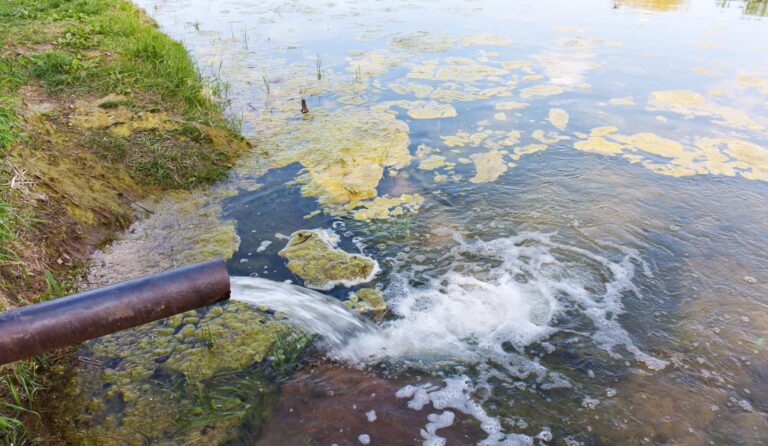
Produced water is one of the most significant byproducts of oil and gas production. As hydrocarbons are extracted from underground formations, water that naturally exists in those reservoirs is brought to the surface alongside oil and gas. This oil and gas produced water is not a minor output—it is often the largest waste stream operators must manage.
As drilling activity expands and wells mature, produced water volumes continue to increase. In many basins, operators are now managing several barrels of water for every barrel of oil produced. Over time, this ratio often grows as wells age, shifting the operational focus from hydrocarbon extraction to managing the resulting oil and gas wastewater.
This increase creates real challenges across the entire lifecycle of production. Handling larger volumes requires more infrastructure, more transportation, and more coordination between field operations and disposal or treatment facilities. For operators focused on managing produced water effectively, these demands translate directly into higher costs and increased operational complexity.
The chemistry of produced water adds another layer of difficulty. It is often highly saline and may contain dissolved solids, hydrocarbons, and other contaminants. These characteristics limit treatment options and make produced water treatment more technically challenging and resource-intensive compared to conventional wastewater streams.
As a result, the industry is moving away from viewing produced water as a simple disposal issue. Instead, it is becoming a core operational concern; one that requires strategic planning, infrastructure investment, and long-term cost management. Produced water management is no longer a secondary function; it is central to efficient oil and gas operations.
Disposal Constraints Are Reshaping Produced Water Management
Historically, produced water disposal has relied heavily on deep well injection. This method allowed operators to move wastewater out of active environments and into underground formations, where it could be isolated from surface ecosystems. For years, this approach supported large-scale operations and provided a relatively predictable disposal pathway.
However, that landscape is changing. Produced water disposal methods are becoming more constrained due to a combination of operational, regulatory, and environmental factors. Injection well capacity is limited in many regions, and new permitting can be difficult to secure. At the same time, increased scrutiny around induced seismic activity has led to tighter controls on injection volumes and pressures.
Transportation is another major factor. Moving water from production sites to disposal locations is both expensive and logistically complex. Long-distance hauling introduces higher fuel costs, increased wear on infrastructure, and additional coordination across multiple parties. It also creates operational inefficiencies, particularly in regions where pipeline infrastructure is limited or nonexistent.
These constraints are forcing operators to rethink traditional approaches. Reliance on a single disposal method is becoming less viable as capacity tightens and costs rise. Even where injection wells remain available, the long-term sustainability of this approach is being questioned.
In this environment, managing produced water requires more flexibility. Operators must consider not only where water can be disposed of, but how to reduce dependence on constrained systems. This shift is driving a broader reevaluation of produced water management strategies, with increasing focus on efficiency, cost control, and risk reduction.
Why Volume Reduction Is Becoming the Priority
As disposal constraints grow, the industry is shifting toward volume reduction as a practical and effective strategy. Rather than focusing exclusively on where to send wastewater, operators are asking how to reduce the amount of material that needs to be managed in the first place.
Reducing wastewater volume has a direct impact on operations. By lowering the total amount of fluid that must be transported and injected, operators can significantly reduce pressure on existing infrastructure. In many cases, reducing the volume of wastewater entering injection wells helps extend the operational life of those wells and improves overall system performance.
In this application, volume reduction is typically in the range of 50 to 60% due to the chemistry of the wastewater. Even within that range, the impact is substantial. Operators can cut transportation needs, simplify logistics, and reduce reliance on constrained disposal pathways.
Key benefits of volume reduction include:
- Lower disposal requirements: Less wastewater means fewer barrels requiring injection or transport, which directly reduces dependence on limited disposal capacity and helps operators maintain continuity even as constraints tighten
- Extended well life: Reduced volumes decrease stress on injection wells and support long-term use, allowing operators to maximize existing infrastructure and delay the need for new permitting or capital investment
- Reduced transportation demand: Fewer truckloads are needed in areas without pipeline access, lowering fuel costs, minimizing road congestion, and reducing exposure to transportation-related risks
- Improved operational efficiency: Simpler logistics reduce coordination challenges, enabling more consistent scheduling, fewer disruptions, and better alignment across field operations and disposal systems
Volume reduction also improves cost predictability. Instead of reacting to fluctuating disposal availability or transportation costs, operators can stabilize their operations by controlling the volume of wastewater they generate.
This approach reframes the problem entirely. Instead of treating produced water management as purely a treatment or disposal challenge, it becomes a volume management issue. By focusing on reducing the scale of the problem, operators can achieve more consistent, efficient outcomes across their operations.
How Heartland Transforms Produced Water into a Manageable Residual
Heartland approaches produced water management with a focus on volume reduction and operational efficiency. Rather than attempting to convert all wastewater into reusable water, the goal is to reduce the total volume of liquid that must be handled and disposed of.
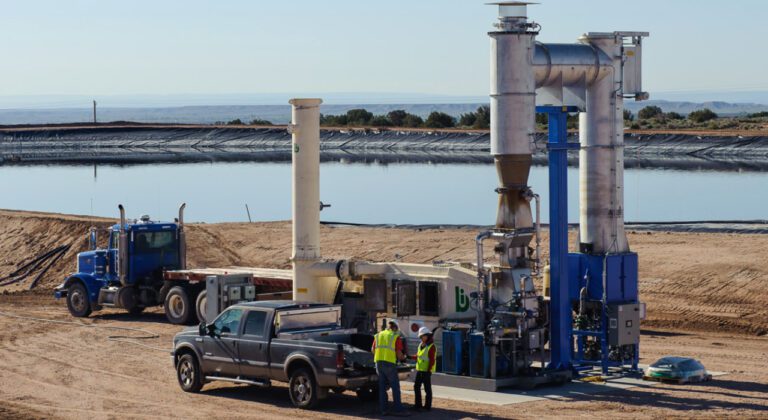
Through thermal evaporation, systems such as the Heartland Concentrator remove water from the waste stream, leaving behind a smaller, concentrated residual. This process typically reduces volume by 50 to 60 percent, depending on the specific characteristics of the wastewater.
The remaining residual is significantly easier to manage. With less volume to transport and dispose of, operators can reduce costs and simplify logistics. The concentrated material can then be directed to appropriate disposal pathways, including injection wells, with less strain on existing infrastructure.
This approach aligns with real-world operational priorities:
- Cost control: Lower volumes reduce transportation and disposal expenses
- Operational efficiency: Simplified handling improves consistency across sites
- Risk reduction: Reduced reliance on long-distance hauling lowers exposure
Heartland’s broader produced water treatment solutions are designed to integrate with existing operations, allowing facilities to adopt volume reduction strategies without major disruption. For more complex waste streams, industrial wastewater treatment solutions support consistent performance under challenging conditions.
By focusing on concentration rather than full-scale treatment, Heartland provides a practical solution for managing produced water in a way that aligns with industry realities. This is not about eliminating wastewater entirely, but about making it more manageable, predictable, and cost-effective.
FAQs About Produced Water Management
What is produced water?Produced water is a byproduct of oil and gas extraction. It includes formation water that naturally exists in underground reservoirs and is brought to the surface during production. It often contains salts, hydrocarbons, and other dissolved materials, making it a complex waste stream.
Why is produced water difficult to manage?The combination of high volumes and challenging chemistry makes produced water difficult to handle. As wells age, water production increases, requiring more infrastructure and coordination. At the same time, salinity and contaminants limit treatment options and complicate disposal.
Can produced water be reused?In some cases, produced water can be reused for specific applications, such as hydraulic fracturing. However, reuse is not always practical due to chemical composition, cost, and infrastructure limitations. For many operators, managing produced water efficiently remains the primary focus.
What is volume reduction in wastewater treatment?Volume reduction is the process of removing water from a waste stream to reduce the total amount of liquid requiring disposal. In produced water treatment applications, this often involves thermal processes that concentrate contaminants into a smaller residual.
Why is volume reduction important?Volume reduction lowers disposal requirements, reduces transportation needs, and improves cost predictability. It also helps extend the life of injection wells and simplifies overall operations. For many operators, it is the most effective way to manage increasing wastewater volumes.
Moving Forward with Smarter Produced Water Management
The scale of oil and gas wastewater is changing the way operators approach disposal and treatment. As volumes increase and constraints tighten, traditional methods alone are no longer sufficient. Managing produced water effectively now requires a more strategic approach.
Volume reduction offers a practical path forward. By reducing the amount of wastewater that must be transported and disposed of, operators can regain control over cost, logistics, and long-term planning. This approach addresses the root of the challenge rather than reacting to its symptoms.
Heartland supports this shift by providing solutions designed for real-world operating conditions. By focusing on concentration, efficiency, and integration, the company helps operators turn a growing liability into a more manageable part of their operations.
To learn more about how these strategies can support your facility, contact Heartland and start a conversation about improving your produced water management approach.