Why Leachate and RNG Operations Are More Connected Than Most Realize
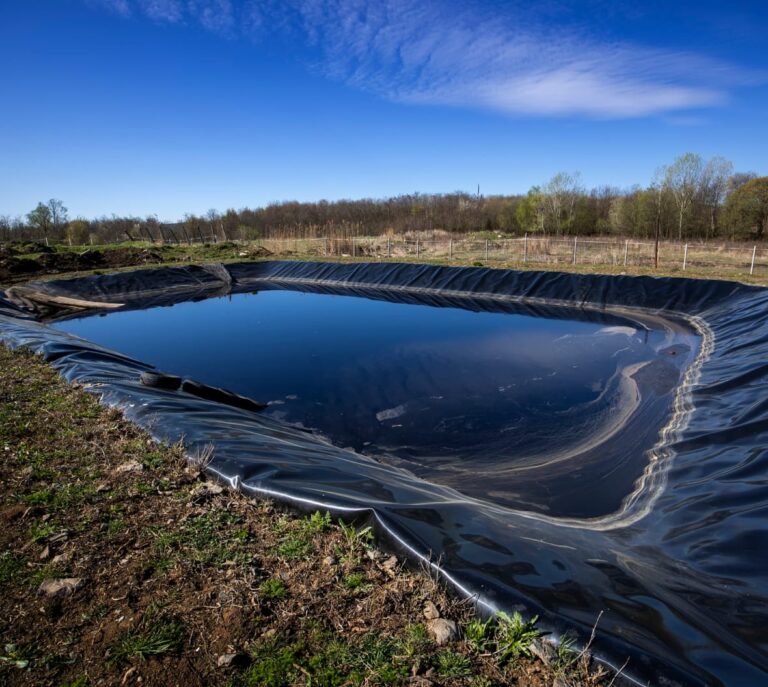
Landfill operations have traditionally treated leachate management and renewable natural gas (RNG) production as separate systems. Leachate is often viewed as a cost center tied to disposal and compliance, while landfill gas collection is treated as a revenue-generating asset. These functions are typically managed independently, with limited coordination between teams, infrastructure, or performance metrics.
This separation creates a missed opportunity. As regulatory pressure increases, particularly around PFAS and discharge limits, landfill operators are being forced to reevaluate how wastewater and gas systems interact. Managing these systems in isolation can lead to inefficiencies, higher operating costs, and underperformance in gas capture.
Leachate levels directly influence landfill conditions, including moisture distribution, permeability, and biological activity. These factors play a critical role in methane generation and recovery. When leachate management is optimized, landfill gas systems tend to perform more efficiently. In turn, this can increase methane capture and improve the economics of landfill gas to RNG projects.
How Excess Leachate Impacts Methane Production
Methane generation within a landfill is driven by anaerobic biological processes. Organic waste decomposes in the absence of oxygen, producing landfill gas that can be collected and upgraded into RNG. Moisture is essential to this process, as it supports microbial activity and facilitates the breakdown of organic material.
However, there is a threshold beyond which additional moisture becomes counterproductive. Excess leachate can oversaturate waste layers, reducing permeability and restricting gas flow. When this occurs, methane may still be generated but becomes more difficult to capture efficiently.
Reduced permeability can limit the effectiveness of gas collection systems, leading to lower recovery rates and increased gas losses. In some cases, excessive moisture can also disrupt microbial activity, slowing decomposition and reducing overall methane generation.
Removing excess leachate helps restore balance within the landfill. Improved flow conditions allow gas to migrate more effectively toward collection wells, increasing capture efficiency. Even incremental improvements in gas recovery can have a measurable impact on overall system performance.
The Revenue Side of Methane Optimization
Methane capture is directly tied to RNG revenue. Landfill gas projects generate value through multiple mechanisms, including Renewable Identification Numbers (RINs), Low Carbon Fuel Standard (LCFS) credits, and long-term utility contracts. Each of these revenue streams depends on the volume and consistency of methane production.
Small increases in methane yield can compound over time. A marginal improvement in gas capture efficiency may translate into higher daily production, which accumulates into meaningful financial gains over the life of a project. Conversely, inefficiencies in gas recovery represent lost revenue that cannot be recovered later.
Reducing methane losses also strengthens project economics. Gas that escapes collection systems not only reduces revenue potential but may also increase regulatory exposure. By improving landfill conditions through more effective leachate management, operators can capture a greater percentage of the gas being generated.
In this context, operational optimization becomes a financial strategy. Leachate management is no longer just a compliance requirement. It is a variable that directly influences revenue performance.
The Growing Challenge of RNG Condensate Management
As RNG systems scale, condensate management has emerged as a growing operational challenge. Condensate forms when landfill gas cools and water vapor condenses within collection and upgrading systems. This liquid often contains a concentrated mix of contaminants, including volatile organic compounds and PFAS.
Disposal of condensate is becoming more complex and costly. Traditional options such as off-site treatment or discharge are increasingly constrained by regulatory requirements and rising fees. In many cases, hauling logistics add additional cost and operational risk.
Regulatory attention on PFAS has further complicated condensate management. These persistent compounds are now a central concern in landfill-related waste streams. Managing condensate without addressing PFAS can create long-term liability and compliance challenges.
Heartland’s work in PFAS solutions highlights how separation and treatment strategies are evolving to address these risks while maintaining operational control.
Why Treating Leachate and Condensate Together Makes Operational Sense
Leachate and condensate share similar characteristics. Both are high-strength wastewater streams with complex contaminant profiles and increasing regulatory scrutiny. Treating them separately often leads to redundant infrastructure and higher operating costs.
An integrated treatment approach can reduce these inefficiencies. By managing both streams within a single system, operators can simplify operations and reduce duplication. Shared infrastructure also improves consistency in treatment performance and monitoring.
Onsite treatment provides additional advantages. It reduces dependence on hauling and third-party disposal, which are subject to cost volatility and capacity constraints. It also allows operators to maintain greater control over how contaminants are managed.
From a compliance perspective, consolidating treatment pathways can reduce exposure to regulatory risk. A centralized approach enables more consistent oversight and simplifies reporting requirements.
Leveraging Waste Heat From RNG Operations
RNG systems generate thermal energy as a byproduct of gas processing. In many facilities, this energy is not fully utilized. Integrating wastewater treatment with RNG operations creates an opportunity to capture and reuse this waste heat.
Thermal treatment systems can leverage this energy to reduce overall operating costs. By using available heat from gas upgrading processes, facilities can lower their reliance on external energy sources. This improves efficiency and enhances overall project economics.
Waste heat integration also reflects a broader shift toward resource optimization. Instead of treating energy and wastewater systems as separate functions, operators can create synergies that improve performance across both.
Reducing Risk, Hauling, and Long-Term Liability
Onsite treatment of leachate and condensate can significantly reduce operational risk. Hauling wastewater introduces logistical challenges, increases transportation costs, and exposes facilities to disposal market fluctuations. Reducing hauling improves cost predictability and operational stability.
It also reduces long-term liability. Off-site disposal transfers responsibility to third parties, but not necessarily risk. If downstream treatment fails or regulations change, liability may still return to the generator.
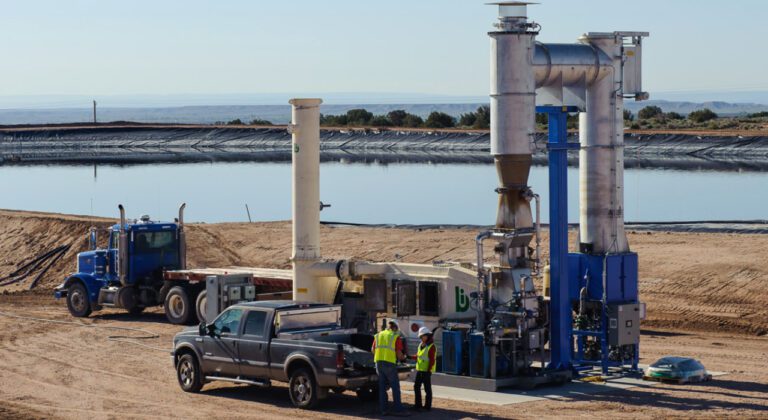
Heartland’s approach to landfill leachate treatment emphasizes volume reduction and contaminant concentration. Systems are designed to reduce the total volume of wastewater while isolating contaminants into manageable residual streams.
This approach supports greater control over waste management and positions facilities to respond to evolving regulatory requirements, particularly around PFAS.
Turning Operational Optimization Into Revenue Growth
The relationship between leachate management and RNG performance is often overlooked, but it is becoming increasingly important. By aligning wastewater treatment with gas production, landfill operators can improve both operational efficiency and financial outcomes.
A coordinated strategy connects leachate removal, methane generation, and condensate management. This integrated approach reduces inefficiencies and improves system performance.
The result is a dual benefit. Operators can increase RNG output while lowering wastewater management costs. This creates a stronger financial position while supporting environmental compliance.
Landfill operators evaluating leachate management, RNG optimization, and integrated treatment strategies should consider both current operational demands and future regulatory expectations. Contact us to start a conversation with our waste solutions team and explore options for improving methane recovery, reducing wastewater challenges, and strengthening long-term project performance.