Rethinking Coal Plant Wastewater Treatment for a New Regulatory Reality
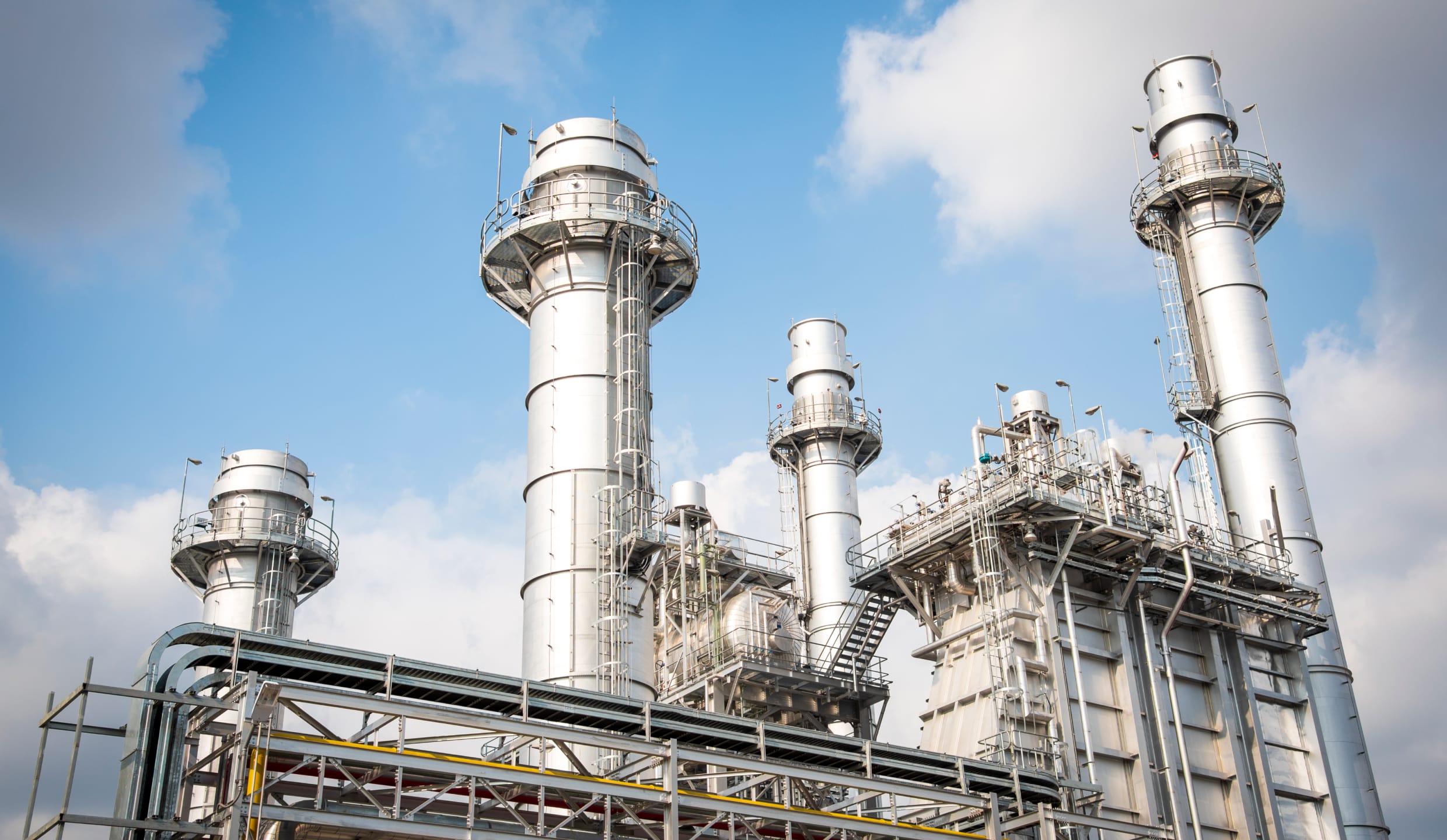


Coal-fired power plant wastewater treatment challenges
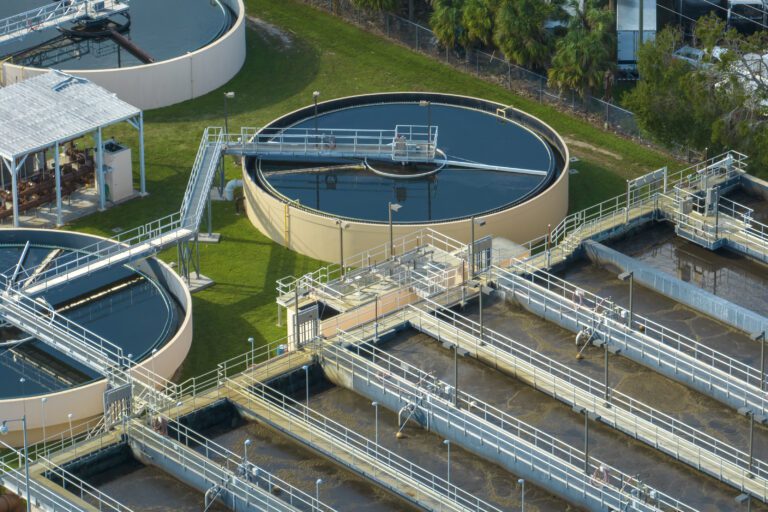
Coal-fired power plants generate complex wastewater streams, including flue gas desulfurization (FGD) wastewater, combustion residual leachate, and cooling and process water. Each contains a mix of contaminants that make treatment increasingly difficult under current regulatory expectations.
FGD wastewater is particularly challenging. Produced during sulfur dioxide removal, it contains high total dissolved solids (TDS) along with heavy metals such as selenium, mercury, and arsenic. Its composition can vary, making consistent treatment performance difficult.
Regulatory pressure continues to increase. The EPA’s Effluent Limitation Guidelines (ELG), along with state-level requirements, are pushing plants to reduce or eliminate wastewater discharge. Facilities must improve treatment performance while maintaining reliable operations.
Much of the existing infrastructure was not designed for these standards. Retrofitting legacy systems often leads to inefficiencies and increased operational complexity. As a result, facilities are rethinking power plant wastewater treatment and adopting solutions better suited for high-strength streams. Organizations like ours support this transition with systems designed for complex wastewater challenges.
Why traditional coal plant wastewater treatment falls short
Conventional treatment systems often struggle with coal plant wastewater due to high TDS levels and changing chemistry.
Membrane systems like reverse osmosis (RO) and ultrafiltration (UF) are prone to fouling in high-salinity environments. This reduces efficiency and increases maintenance requirements. Performance can also decline as wastewater composition changes.
Chemical treatment systems present similar challenges. They require continuous adjustment and chemical input, increasing cost and operational complexity without always delivering consistent results.
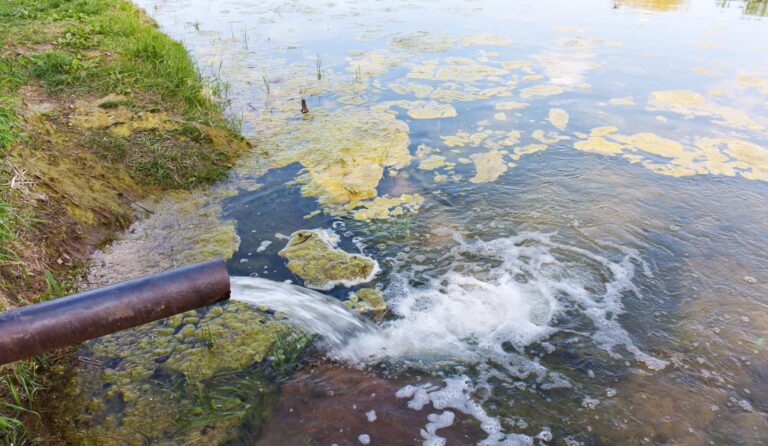
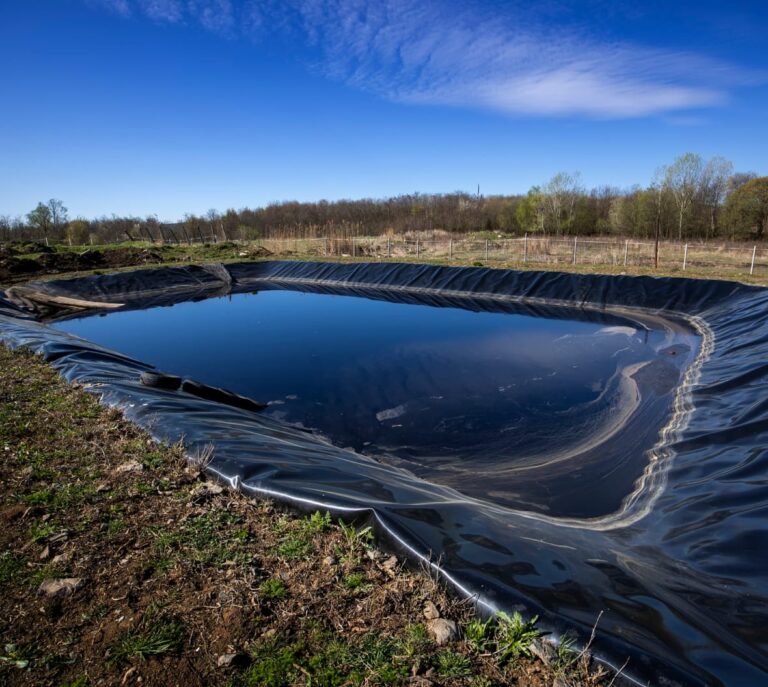
Legacy solutions, including evaporation ponds, introduce compliance and environmental risk. Off-site hauling, once common, is becoming less viable due to rising costs, regulatory limits, and long-term liability exposure.
These limitations make it difficult for facilities to maintain compliance, control costs, and ensure stable operations. Many plants are now exploring more reliable industrial wastewater treatment solutions designed for high-strength wastewater.
A smarter approach to coal-fired power plant wastewater treatment
Improving coal-fired power plant wastewater treatment starts with reducing wastewater volume. Instead of relying solely on contaminant removal, leading strategies focus on separating water from contaminants and concentrating the remaining waste.
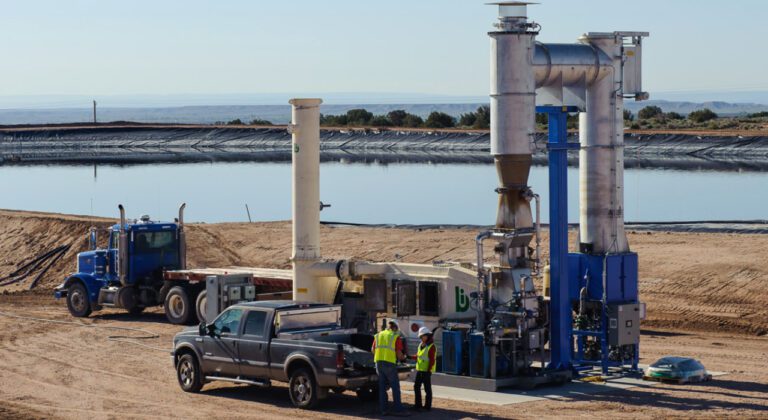
Thermal concentration systems are designed for this purpose. They separate clean water from high-strength wastewater and concentrate contaminants into a smaller residual stream. This significantly reduces the volume requiring management.
Volume reduction lowers disposal requirements, improves system efficiency, and simplifies compliance. It also helps facilities manage variability in wastewater composition more effectively.
Unlike conventional approaches that attempt to dilute or treat contaminants in place, Heartland systems are designed to separate and concentrate them into a controlled residual stream. This approach enables more consistent handling and supports downstream management strategies.
Our systems are built to integrate with existing infrastructure, making them well-suited for retrofit applications. By incorporating waste reduction and reuse solutions, facilities can improve performance without major disruption.
Enabling zero liquid discharge (ZLD) for power plants
Zero liquid discharge (ZLD) is becoming an important goal for coal-fired power plants. This approach eliminates liquid waste by recovering reusable water and converting the remaining material into solids.
ZLD is driven by regulatory requirements and operational considerations. ELG standards and environmental expectations are pushing facilities to reduce or eliminate discharge.
Volume reduction technologies play a central role in achieving ZLD. By minimizing wastewater volume, these systems improve recovery efficiency and reduce system strain.
Adopting zero liquid discharge (ZLD) solutions allows plants to eliminate discharge pathways, reduce environmental exposure, and maintain compliance with evolving standards. Systems must be reliable, scalable, and capable of handling high TDS wastewater continuously.
Benefits of advanced wastewater treatment for coal plants
Advanced wastewater treatment solutions offer both operational and financial benefits. Reducing wastewater volume lowers disposal and hauling costs while simplifying overall management.
Improved performance makes it easier to meet regulatory requirements. Facilities can reduce pollutant concentrations and maintain more consistent compliance with ELG and state standards.
Operational reliability is another key advantage. Systems designed for continuous operation provide stable performance even as wastewater conditions change. This reduces dependence on third-party disposal and limits variability in outcomes.
Cost control improves as well. Reducing reliance on external disposal helps avoid rising fees and provides more predictable operating expenses.
These benefits also support broader sustainability initiatives and environmental impact goals by reducing waste volumes and improving resource efficiency.
Why coal-fired power plants choose Heartland
Coal-fired power plants reach out to Heartland for wastewater solutions designed specifically for high-strength streams.
At the core of this approach is the Concentrator, a thermal evaporation system engineered to handle complex wastewater. It reduces volume, separates contaminants, and concentrates them into a manageable residual stream.
Importantly, the system does not attempt to destroy compounds such as PFAS. Instead, it separates and concentrates them, keeping them out of the vapor phase and allowing for controlled downstream management.
Systems are designed for continuous operation, supporting consistent performance even under variable conditions. This reliability is critical for facilities managing complex wastewater streams.
Our Evaporation-as-a-Service (EaaS) model eliminates upfront capital investment while providing long-term operational support. Facilities gain access to advanced technology with predictable costs and reduced operational burden.
These systems integrate with existing infrastructure, making them effective for retrofit applications. We provide technology and ongoing expertise to support long-term performance.
Contact Heartland to start a conversation with the team and learn more about how these solutions can support your facility.
Coal-fired power plant wastewater treatment FAQs
What is coal-fired power plant wastewater treatment?
It refers to the processes used to manage wastewater generated during power production, including FGD wastewater, cooling water, and residual streams that require advanced handling.
Why is FGD wastewater difficult to treat?
It contains high TDS levels and complex contaminants, making consistent treatment challenging for conventional systems.
Why are regulations like ELG important?
They establish limits on discharge and require improved treatment performance to maintain compliance.
What is zero liquid discharge (ZLD)?
ZLD eliminates liquid waste by recovering water and converting remaining material into solids, reducing discharge and compliance risk.
How can plants reduce wastewater treatment costs?
By reducing wastewater volume and concentrating contaminants, facilities can lower disposal costs and improve long-term cost predictability.