

Environmental compliance is built on proactive management. For facilities handling oil and fuel, few documents are more important than an SPCC plan. Yet, maintaining compliance isn’t just about having one on file. It’s about keeping it current. Updates ensure that as operations evolve, your plan continues to protect both your business and the environment.
An SPCC plan, short for Spill Prevention, Control, and Countermeasure plan, is an Environmental Protection Agency (EPA) requirement under the Clean Water Act. The regulation applies to facilities that store, handle, or transfer oil in quantities that could pose a spill risk to U.S. waters or shorelines.
These plans outline procedures, control measures, and countermeasures to prevent oil discharges. They are required for a wide range of facilities, from waste management and manufacturing to energy production and utilities.
An SPCC plan is a roadmap for responsible operations. It helps ensure that even in the event of an accident, the environmental and financial impact is minimized. By maintaining up-to-date plans, operators can demonstrate a clear commitment to environmental protection, sustainability, and safety.
Heartland’s work across industries emphasizes the same principle: sustainable environmental treatment solutions can protect both operational integrity and community well-being.
EPA requirements for SPCC updates
The EPA mandates that every covered facility review its SPCC plan at least once every five years. This periodic review ensures accuracy in facility diagrams, containment descriptions, and response procedures. However, the five-year rule is a minimum requirement, and many facilities benefit from reviewing plans more frequently.
So, how often do SPCC plans need to be updated? The answer is both straightforward and situational. Any material change at a facility that affects oil handling, storage, or potential spill pathways requires an immediate update. These updates must be completed as soon as possible, but no later than six months after the change takes place.
Common qualifying changes include:
- Installing or removing aboveground storage tanks or oil-filled equipment
- Modifying containment systems, drainage patterns, or transfer piping
- Increasing overall oil storage capacity beyond thresholds
- Changing ownership, management structure, or designated spill coordinators
- Updating spill response procedures or emergency resources
While many facilities are aware of the five-year timeline, they often overlook the need for event-driven updates, which are equally critical. Failing to revise the plan when necessary can lead to serious compliance consequences. The EPA has authority to levy fines, suspend operations, or require corrective actions for incomplete or outdated plans.
Moreover, outdated SPCC plans can compromise spill response effectiveness. An inaccurate diagram or contact list can delay containment efforts, magnifying both environmental harm and financial liability.
Regular updates ensure that SPCC documentation evolves alongside the facility it protects. They also signal a company’s commitment to environmental stewardship and operational excellence, aligning with Heartland’s sustainability framework for responsible resource management.
Facility changes that trigger an SPCC update
SPCC regulations are intentionally adaptable because no two facilities are alike. As operations expand, equipment changes, or site layouts evolve, your SPCC plan must evolve too. Any modification that affects oil spill potential, containment capacity, or emergency response logistics triggers the need for updating SPCC plans.
Common triggers for SPCC revisions include:
- Tank replacements or relocations: Even shifting a tank by a few feet can alter drainage flow or containment capacity. Updated diagrams and containment calculations ensure new configurations continue to meet regulatory standards and maintain adequate protection against potential discharges.
- Infrastructure expansion: Adding process units, new storage facilities, or material staging areas increases risk exposure. Expansions often require reassessing spill pathways and secondary containment volume to confirm they align with the expanded footprint.
- Operational changes: Switching product types, adjusting maintenance schedules, or handling different fuels can impact spill prevention strategies. Each change may introduce new chemical or viscosity characteristics that alter containment needs and emergency response procedures.
- Ownership or management transitions: Regulatory requirements demand that new officials are designated and trained on the current plan. These transitions also provide an opportunity to verify that all responsible parties understand reporting responsibilities and maintain awareness of site-specific risks.
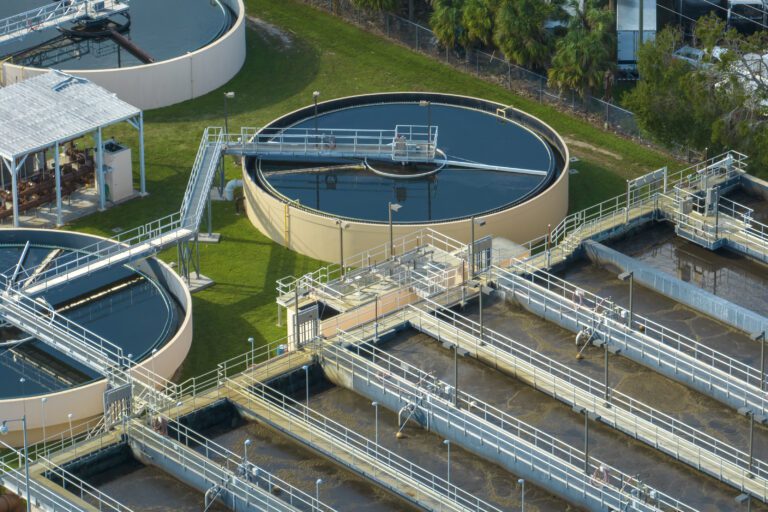
In industrial and municipal facilities, these updates often accompany modernization projects or sustainability investments. For example, a wastewater treatment plant that installs a new generator or adds biofuel systems must recalculate containment and adjust inspection routines. Likewise, an industrial manufacturer expanding its processing area or installing new piping needs to reassess spill flow paths.
Timely revisions help prevent regulatory issues and demonstrate proactive compliance. They also ensure that facility personnel remain trained and ready to respond effectively, transforming the SPCC plan into an essential part of daily operations, not a forgotten binder on a shelf.
Best practices for SPCC plan reviews
While the EPA’s five-year rule establishes a minimum standard, proactive organizations recognize that waiting that long can create unnecessary vulnerability. Oil-handling facilities are dynamic environments where operational changes happen frequently, sometimes without formal documentation.
Conducting annual internal reviews or audits after major inspections helps facilities identify gaps early, reducing compliance risk and ensuring that preventive measures stay effective. A strong SPCC review process reflects a facility’s dedication to environmental responsibility and continuous improvement, two values central to Heartland’s operational philosophy.
Recommended best practices
- Conduct annual audits: Evaluate containment structures, tank integrity, and oil transfer operations in detail. Document findings, assign corrective actions, and establish clear timelines for resolution. Consistent auditing helps catch small deficiencies before they escalate into costly incidents.
- Engage a Professional Engineer (PE): Major revisions or facility design changes require certification from a PE to validate the plan’s technical accuracy. Working with a qualified engineer ensures the SPCC plan aligns with evolving EPA standards and incorporates the latest best practices in spill prevention design.
- Implement regular staff training: Employees should understand how to identify leaks, manage minor spills, and execute emergency protocols effectively. Routine refresher courses build confidence during real events and foster a strong culture of environmental awareness throughout the organization.
- Keep accurate records: Maintain updated copies of all SPCC plans, inspection reports, and review notes for a minimum of five years. Detailed documentation provides a clear audit trail, simplifies EPA inspections, and demonstrates a continuous commitment to compliance excellence.
- Coordinate with multiple departments: Align SPCC updates with stormwater, hazardous waste, and occupational safety programs for unified risk management. Collaboration between environmental, operations, and safety teams ensures no compliance requirement is overlooked during reviews.
- Incorporate drills and exercises: Conduct mock spill scenarios annually to test readiness and refine response procedures. Practicing real-world situations helps reveal logistical challenges and ensures both staff and systems respond effectively under pressure.
When these practices are integrated into everyday operations, SPCC management becomes second nature, not an afterthought. Routine reviews simplify inspections, strengthen employee engagement, and demonstrate ongoing commitment to compliance and sustainability. Facilities that synchronize SPCC reviews with other environmental milestones, such as wastewater permits or hazardous waste audits, maintain better consistency across all regulatory programs while reducing administrative workload.
Common mistakes companies make with SPCC compliance
Even experienced organizations can fall out of compliance through small oversights or assumptions. The most frequent issue? Treating the SPCC plan as a static document rather than a dynamic management tool.
Frequent pitfalls include:
- Outdated contact information: A change in personnel without plan updates can cause major response delays.
- Neglecting minor facility modifications: Even small containment or piping changes alter spill risk profiles.
- Using generic templates: Plans must reflect specific site conditions, not one-size-fits-all boilerplate language.
- Ignoring cross-program consistency: Misalignment between SPCC, stormwater, and emergency response plans creates confusion during inspections.
- Failing to verify equipment condition: Leaks from neglected valves or deteriorated tanks often lead to the incidents SPCC plans are meant to prevent.
Each of these mistakes can carry serious consequences, from financial penalties to environmental damage that harms community relations.
A practical way to avoid them is by integrating SPCC updates into your overall environmental management system (EMS). When compliance, operations, and engineering collaborate, oversight becomes less likely. Frequent internal communication and visible management support also ensure the plan remains relevant and actionable.
Partnering with experts for SPCC plan management
Regulatory frameworks continue to evolve, and so does the complexity of facility operations. For many organizations, working with experienced partners ensures their SPCC plans remain technically sound and compliant over time.
Heartland’s approach goes beyond equipment and documentation. The company helps clients integrate compliance with sustainable performance. By combining engineering expertise, advanced waste solutions, and risk management insight, Heartland provides a practical, future-focused foundation for compliance.
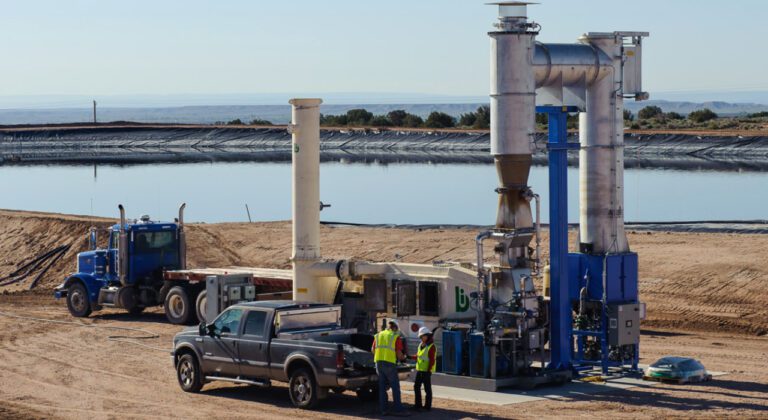
Through innovations like the Heartland Concentrator™, Heartland enables organizations to minimize wastewater, recover energy, and reduce environmental risk. While these technologies primarily focus on wastewater concentration and PFAS separation, their underlying purpose aligns with SPCC objectives, minimizing contamination potential and safeguarding natural ecosystems.
Partnering with a company that understands both regulatory requirements and technical operations allows facilities to anticipate changes before they become compliance issues. It’s a proactive strategy that enhances safety, protects brand reputation, and supports corporate sustainability goals.
To see how Heartland’s engineering-driven approach can strengthen your compliance readiness and align your operations with long-term environmental objectives, contact us.