What Is Frac Sand and How Is It Changing Industrial Waste Management


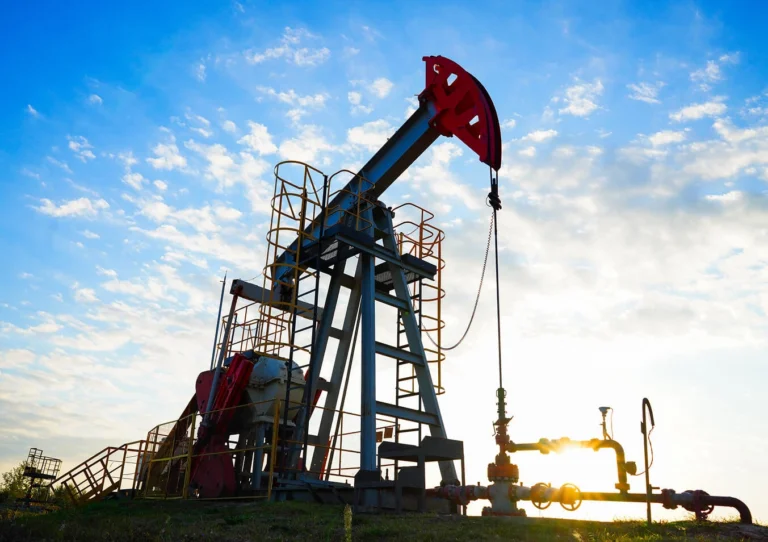
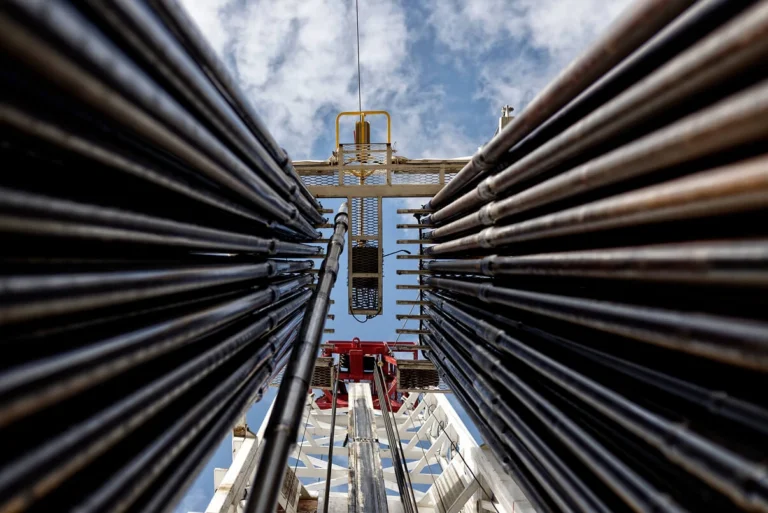
Frac sand is a critical component of hydraulic fracturing, a process that injects high-pressure fluid into underground rock formations to release oil and gas. During fracturing, a slurry of water, chemicals, and frac sand is pumped into the wellbore to create and hold open fractures in the rock, allowing hydrocarbons to flow to the surface.
While frac sand itself plays an important mechanical role in propping fractures open, it is the overall fracturing process that creates some of the most complex wastewater streams in industrial operations. Large volumes of water are required to carry the sand and additives underground, and much of that fluid returns to the surface as flowback and produced water containing dissolved salts, hydrocarbons, metals, and other constituents picked up from the formation.
As oil and gas production expands, managing this high-strength wastewater has become one of the most significant operational and environmental challenges facing the energy sector. This shift has moved the conversation beyond sand sourcing alone and toward how operators manage water, residuals, and disposal throughout the full lifecycle of hydraulic fracturing operations.
The Wastewater Reality of Hydraulic Fracturing
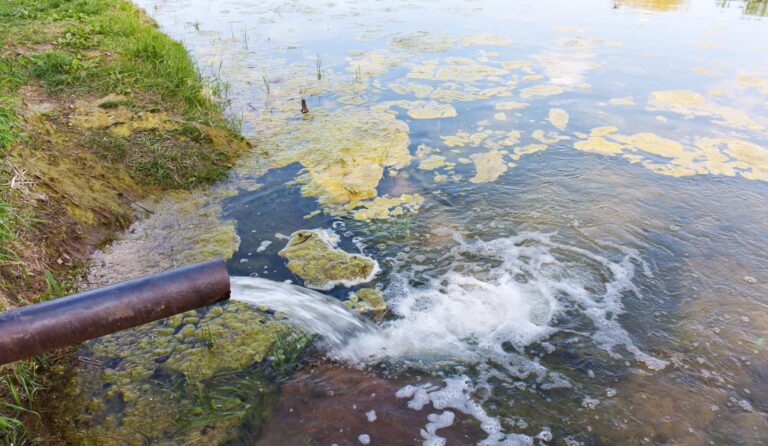
Hydraulic fracturing produces some of the most challenging wastewater streams in industrial operations. Flowback and produced water contain extremely high total dissolved solids, often many times higher than seawater, along with chlorides, heavy metals, hydrocarbons, and residual treatment chemicals. The composition can vary widely by basin, formation, and stage of production, making treatment and disposal unpredictable.
Historically, much of this wastewater has been managed through offsite trucking and deep-well injection. However, those options are becoming increasingly constrained. Injection capacity is limited in many regions, regulatory scrutiny is increasing, and seismic concerns have led to tighter controls on disposal wells. At the same time, trucking costs continue to rise, adding significant operational expense and logistical risk.
As a result, operators are under growing pressure to reduce water volumes at the source and implement more controlled, on-site treatment strategies. Expectations around water reuse and closed-loop practices are increasing, particularly in water-stressed regions where sourcing fresh water is becoming more difficult and expensive.
Thermal concentration has emerged as a practical response to these challenges. By treating wastewater on site, operators can significantly reduce volume, lower transportation needs, and create a more predictable and manageable residual stream. This shift represents a fundamental change in how the industry approaches frac wastewater, moving from disposal-focused models toward treatment and volume reduction at the wellpad.
How Frac Sand Is Processed and Cleaned
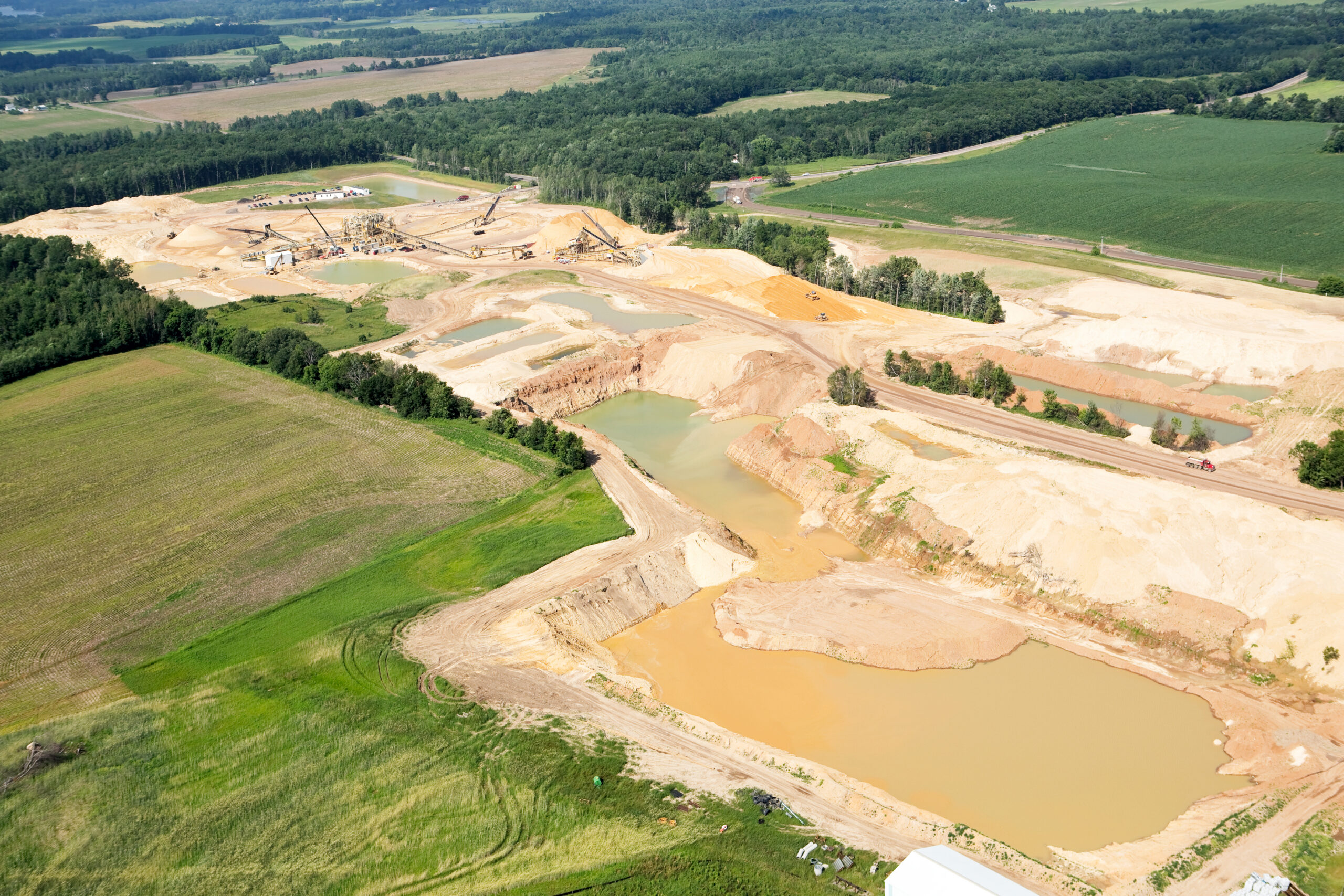
Before frac sand is used in hydraulic fracturing, it must be processed to meet specific performance requirements. After extraction, raw sand is washed to remove clay, silt, and other fine materials, creating a clean, uniform product suitable for downhole use.
The sand is then dried and separated into specific grain sizes based on formation needs and operational conditions. These steps improve consistency and transport efficiency but represent only a small portion of the overall water use associated with fracturing operations.
Sand processing does generate wastewater that must be managed through settling, filtration, or other treatment methods. However, compared to the volumes generated during hydraulic fracturing itself, this wastewater is typically more predictable and easier to manage. The more significant challenge arises downstream, when frac sand is combined with water and chemicals and returns to the surface as highly concentrated flowback and produced water.
Environmental Challenges of Fracturing Wastewater and the Role of Thermal Concentration
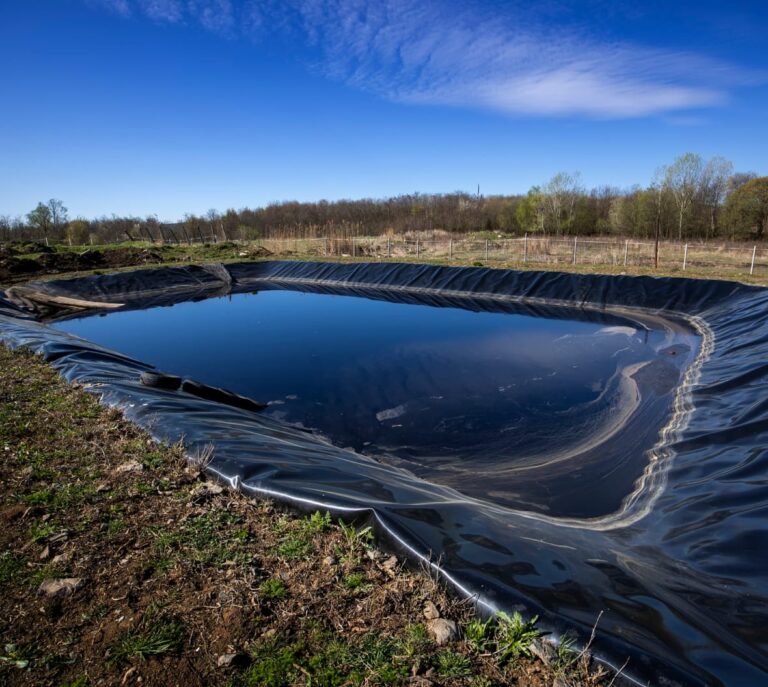
The environmental challenges associated with hydraulic fracturing are increasingly centered on wastewater management rather than raw material extraction. High-salinity brines, complex chemical mixtures, and fluctuating volumes create risks for surface handling, transport, and disposal if not properly managed.
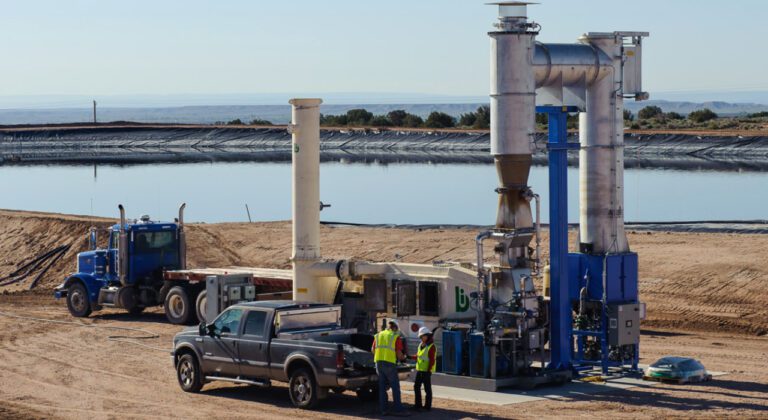
Thermal concentration systems such as the Heartland Concentrator provide a scalable solution for these high-strength wastewaters. Designed to handle ultra-high TDS streams, thermal concentration reduces wastewater volumes by up to 98 percent, dramatically lowering the amount of material that must be hauled or injected.
By operating on low-grade or waste heat sources, the Heartland Concentrator allows facilities to treat wastewater efficiently while minimizing additional energy demand. On-site treatment reduces reliance on trucking, cuts disposal costs, and limits exposure to injection well availability and regulatory changes. Just as importantly, it provides operators with predictable, controlled treatment performance in an environment where wastewater quality can change rapidly.
This approach aligns with the industry’s broader move toward reducing environmental risk while improving operational certainty. Treating frac wastewater at the source allows operators to take control of one of the most variable aspects of hydraulic fracturing operations.
Regulatory Pressure, Landfill Impacts, and Downstream Leachate Challenges
As disposal options tighten, increasing volumes of oil and gas waste are moving downstream into municipal and industrial landfills. Drill cuttings, spent muds, concentrated brines, and residual frac sand are being disposed of alongside traditional waste streams, fundamentally changing landfill inputs.
These materials introduce high levels of dissolved salts, chlorides, metals, hydrocarbons, and in some cases naturally occurring radioactive material. Once in the landfill, these constituents increase leachate strength and complexity, placing additional strain on leachate collection and treatment systems. Many wastewater treatment plants are now rejecting or restricting leachate with elevated TDS or industrial contaminants, leaving landfills with fewer discharge options and higher costs.
Regulatory scrutiny is increasing at this downstream stage as well. Landfills handling E&P-derived waste face growing pressure to demonstrate effective leachate management and prevent off-site impacts. Disposal costs continue to rise, and operators are being forced to rethink how they manage increasingly industrial waste profiles.
This is where Heartland’s technology plays a critical role at multiple points in the oil and gas waste chain. The Heartland Concentrator is used at the wellpad to reduce frac wastewater volumes and at landfills to manage leachate impacted by industrial and E&P-derived contaminants. This dual application highlights Heartland’s ability to address high-strength wastewater challenges upstream and downstream, providing continuity and control across the lifecycle of oil and gas waste management.
Innovations in Sustainable Frac Sand Processing
Advancements in technology are reshaping how hydraulic fracturing operations manage water, energy, and waste streams, with a growing emphasis on wastewater control and reuse. Automation and AI-based monitoring systems are helping operators track water quality in real time, identify changes in flowback and produced water chemistry, and optimize treatment decisions as conditions shift from one basin or wellpad to the next.This matters because frac wastewater is highly variable, and treatment strategies often need to adjust quickly to remain effective and cost-efficient.
Across the industry, closed-loop practices are gaining traction as operators look to reduce freshwater demand and limit offsite disposal. Water reuse programs, improved solids separation, and onsite treatment systems are making it possible to recycle a higher percentage of process water while reducing hauling and the downstream impacts tied to disposal. In regions where trucking and deep-well injection are increasingly constrained, operators are also exploring practical volume reduction strategies that create predictable residual streams and improve operational planning.
Thermal concentration is one of the more scalable approaches supporting this shift. By reducing wastewater volume at the source, it can help lower disposal costs, reduce dependence on injection well availability, and support more controlled onsite management. Heartland contributes to this progress by integrating environmental and industrial waste solutions s that help operators take a more sustainable approach to high-strength industrial wastewater, while improving consistency and long-term performance across complex operations.
The Future of Frac Sand and Responsible Waste Management
Frac sand will remain an essential input in hydraulic fracturing, but the future of oil and gas operations will be shaped increasingly by how wastewater and residuals are managed across the full lifecycle of production. Regulatory expectations and community priorities are moving toward cleaner practices, tighter control over offsite disposal, and greater accountability for downstream impacts. That includes not only what happens at the wellpad, but also what happens after residuals and concentrated waste streams enter municipal and industrial landfills.
As disposal options become more expensive and more restricted, operators will continue looking for ways to reduce trucking demand, limit injection well dependency, and support water reuse wherever practical. That shift will place greater emphasis on onsite systems that offer predictable, controlled treatment outcomes for ultra-high-strength wastewater. Technologies that can adapt to changing water chemistry, reduce volume efficiently, and support closed-loop operations will play a larger role in both compliance and cost management.
Sustainable management will depend on a combination of engineering, monitoring, and practical treatment solutions that address challenges upstream and downstream. For operators seeking to reduce wastewater volumes and improve long-term control, thermal concentration can provide a scalable path forward, while helping reduce the pressures associated with offsite disposal and landfill impacts. Contact us to speak with a member of our environmental innovation team and learn more about how our advanced technologies and environmental strategies can support your industrial operations.