What Are Coal Ash Ponds? Understanding Risks, Remediation and CCR Leachate
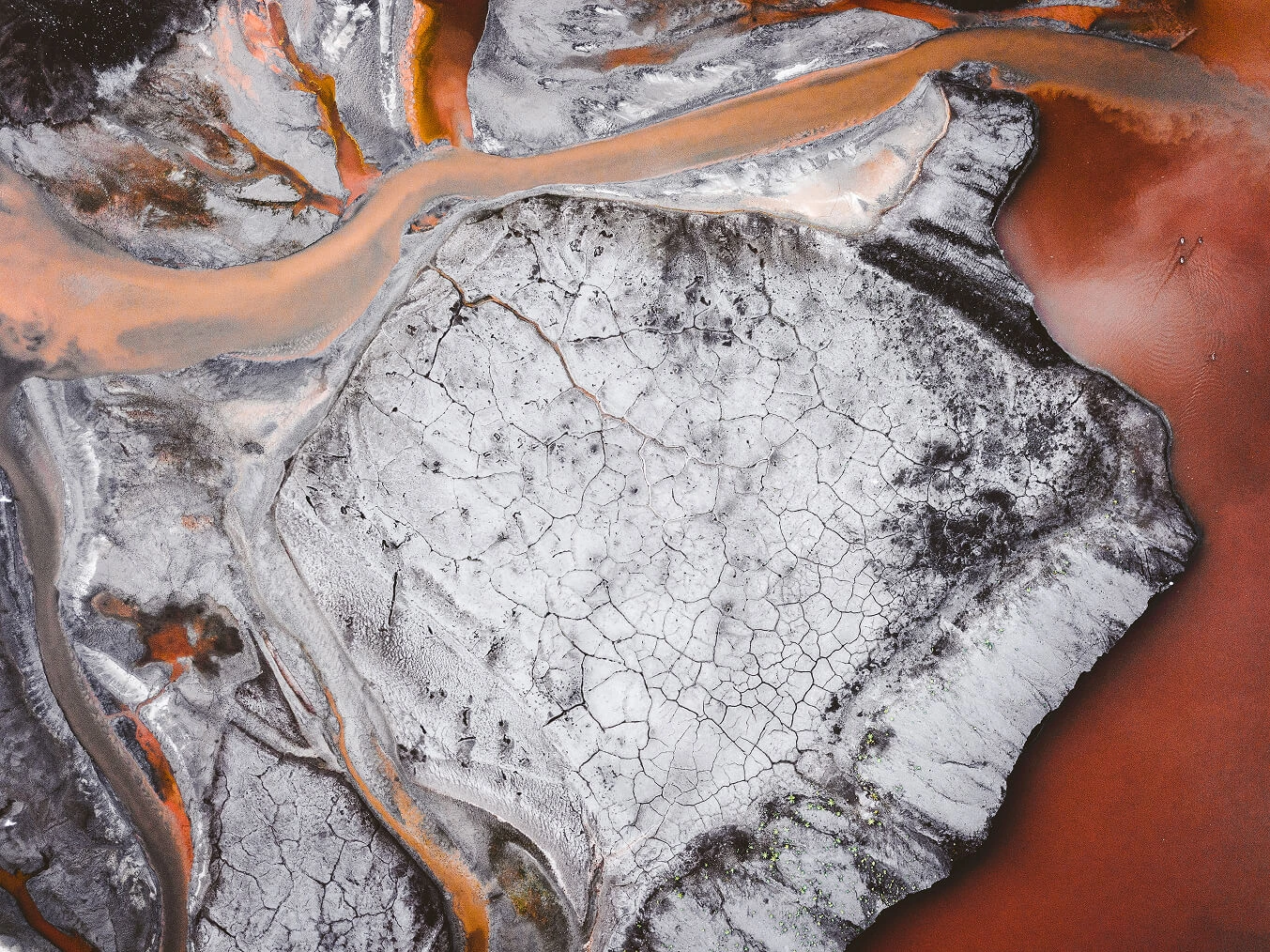


Coal-fired electricity generation has shaped the U.S. power sector for decades. Alongside energy production, it has also created large volumes of industrial waste that require long-term management. One of the most widely used historical disposal methods is the coal ash pond. As infrastructure ages and regulations evolve, these ponds remain a major focus for utilities, regulators, and surrounding communities.
As coal ash interacts with water during storage and handling, it can generate coal combustion residual (CCR) leachate—a contaminated liquid stream formed when water percolates through ash materials. Understanding what coal ash ponds are, why they pose risks, and how they are being addressed today is critical for responsible waste management and environmental compliance. For additional perspectives on evolving environmental regulations and waste treatment challenges, explore our insights resource library.
What Are Coal Ash Ponds?
Coal ash is the byproduct created when coal is burned to generate electricity at a power plant. This material contains a mix of fine particulates and residual compounds formed during coal combustion. Because coal ash can include heavy metals such as arsenic, mercury, chromium, and lead, it requires controlled containment rather than conventional disposal.
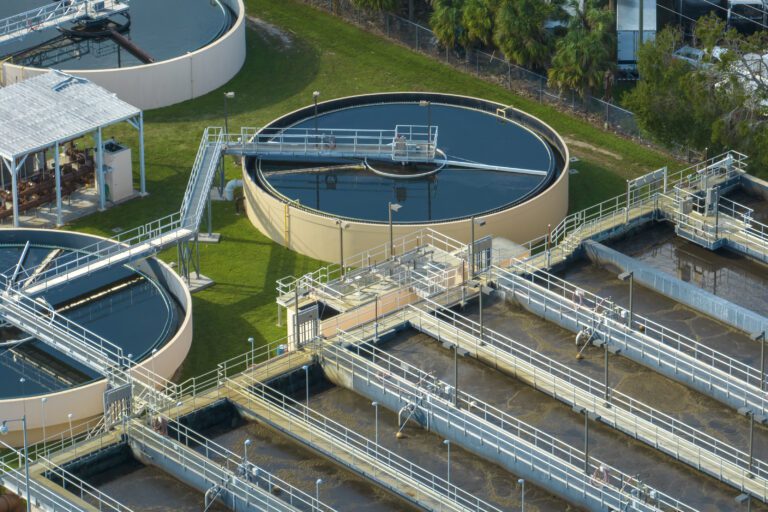
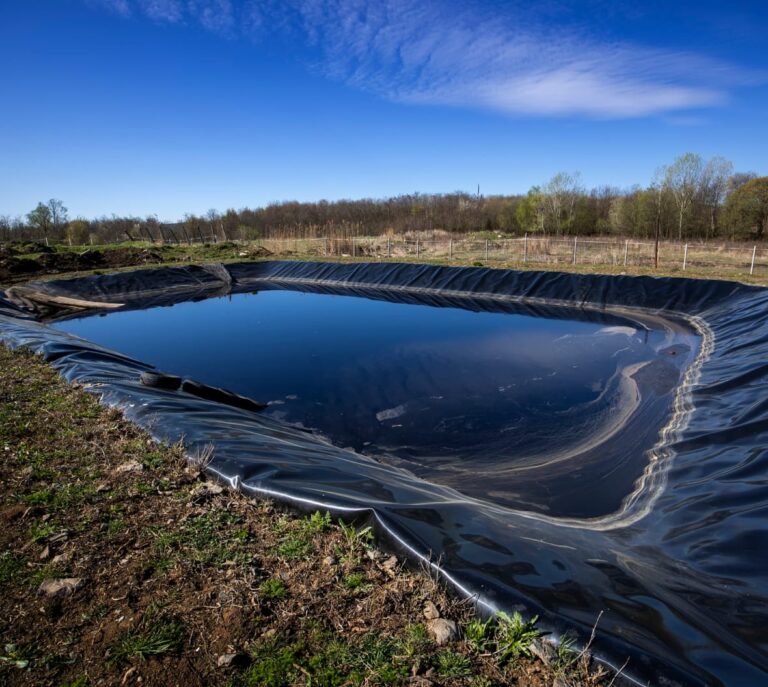
A coal ash pond is an engineered basin designed to store wet coal ash slurry. Historically, utilities mixed ash with water and pumped it into these ponds, allowing solids to settle while water evaporated or drained – often producing ash pond leachate that required ongoing management.. Many early ash ponds were constructed quickly and inexpensively to support growing electricity demand, particularly during periods of rapid expansion at coal plants.
Over time, ash ponds became one of the most common storage methods for coal combustion residuals across the United States. Even today, utilities and regulators continue to discuss ash ponds because many remain in service or contain legacy waste. Aging infrastructure, evolving environmental standards, and increased scrutiny of coal ash landfills have made these systems a focal point for compliance and remediation planning.
Legacy coal infrastructure still presents environmental and regulatory challenges, especially where older disposal practices no longer meet modern expectations for containment and monitoring.
Environmental and Health Risks Associated With Coal Ash Ponds and CCR Leachate
Coal ash ponds present environmental and health risks primarily due to how waste is stored rather than the act of burning coal itself. Many older facilities relied on disposal methods that are no longer considered protective under today’s environmental standards. As scientific understanding and regulatory expectations have evolved, these legacy storage systems have come under increased scrutiny for their potential to impact surrounding land, water, and nearby communities over time.
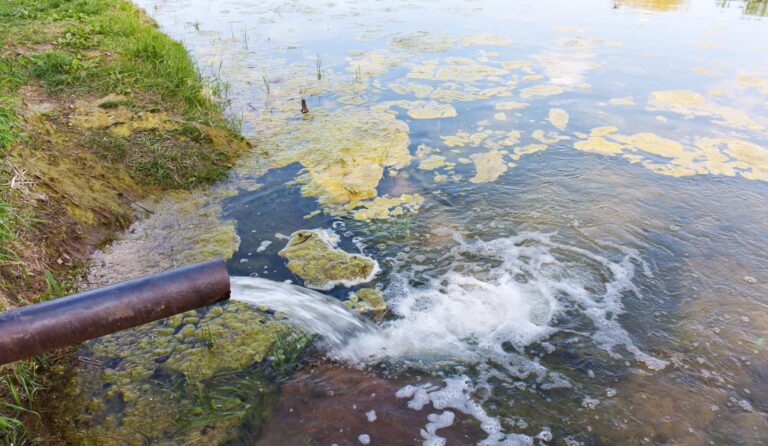
A primary driver of environmental risk is the generation and migration of CCR leachate and ash pond leachate, which can carry dissolved metals and other contaminants into surrounding soil and groundwater if containment systems are inadequate.
Key risk factors include:
- Unlined containment systems: An unlined coal ash pond lacks engineered barriers beneath the pond, allowing contaminants to migrate into surrounding soil and groundwater over time.
- Contaminant migration pathways: CCR leachate generated within ash ponds can transport trace metals and other compounds beyond containment boundaries, particularly where monitoring and maintenance are limited.
- Structural and weather-related vulnerabilities: Flooding, storm surges, or dam failures can release material from ash ponds into nearby rivers or land.
In some cases, waste storage areas resemble informal coal ash dumps or a single coal ash dump created before modern regulations were in place. These sites pose long-term environmental protection concerns, particularly where monitoring data is limited or infrastructure has deteriorated.
In addition to traditional heavy metals, coal ash environments may intersect with emerging contaminants. Industrial waste systems increasingly reveal overlapping challenges, including compounds such as PFAS.
Regulatory Landscape and Coal Ash Pond Closure Requirements
Regulatory oversight of coal ash disposal has increased significantly in recent years. Federal and state agencies now require more rigorous management, monitoring, and closure of ash ponds and related impoundments.
The U.S. Environmental Protection Agency governs coal ash through the Coal Combustion Residuals Rule, which establishes requirements for:
- Groundwater monitoring and reporting
- Structural integrity assessments
- Corrective action for detected contamination
- Closure or retrofit of noncompliant units
Utilities are under growing pressure to transition away from wet storage methods toward safer long-term containment or treatment options, particularly those that address CCR leachate generated during ash handling, pond closure, and remediation activities. In parallel, many coal-fired facilities must also address related wastewater streams generated by ash handling and closure activities, driving interest in zero liquid discharge (ZLD) solutions for power plant wastewater. A coal ash impoundment that once met operational needs may no longer satisfy regulatory expectations.
Compliance now requires documentation, transparency, and proactive planning. Utilities must demonstrate site safety, environmental controls, and long-term remediation strategies that align with both federal and state requirements. Failure to act can result in enforcement actions, financial penalties, and reputational risk.
Modern Approaches to Coal Ash Remediation and Waste Treatment
As regulatory pressure increases, utilities are reevaluating how they manage ash ponds and legacy waste, often as part of a broader waste reduction and reuse strategies designed to lower long-term environmental and financial risk Several remediation strategies are commonly used today, each with advantages and limitations.
Common approaches include:
- Excavation and relocation: Removing coal ash and transporting it to lined disposal facilities remains a widely used option, though it can be costly and logistically complex.
- Dewatering and capping: Stabilizing ash in place by removing excess water and installing a cap may reduce exposure but can leave long-term liability if contaminants remain mobile.
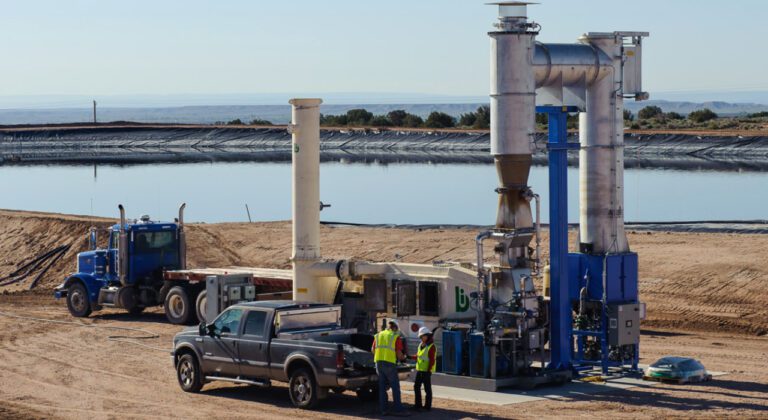
- Advanced thermal treatment: High-temperature technologies can address complex wastewater streams—including ash pond leachate and CCR leachate— by reducing volume and capturing persistent contaminants associated with coal ash waste.
Selecting the right remediation strategy requires balancing regulatory compliance, environmental risk, operational feasibility, and long-term responsibility.
Why Understanding Coal Ash Ponds Matters
Toxic coal ash ponds, and the CCR leachate they generate,continue to pose environmental, financial, and regulatory risks long after electricity generation ends. For utilities, landfills, and industrial operators, understanding how these systems function and how risks evolve is essential for long-term planning.
Modern remediation strategies emphasize reducing liability rather than deferring it. Advanced waste treatment technologies offer new pathways for managing coal ash safely and responsibly while meeting increasingly strict regulatory standards. As coal infrastructure continues to age, early action can help prevent escalating costs, regulatory exposure, and long-term environmental impacts.
Organizations that take a proactive approach to evaluating their coal ash footprint are better positioned to manage compliance obligations and protect surrounding environments. Heartland works with power generation and industrial facilities to address complex waste challenges through engineering-driven solutions, supported by real world results documented in our case studies.
To discuss site-specific risks or remediation options, contact us to start a conversation with Heartland’s waste solutions team.