PFAS solutions for wastewater
The PFAS Challenge
PFAS move through the environment—cycling from industrial use to wastewater systems to landfills and back again. Most treatment approaches don’t eliminate PFAS. They shift it. That leaves operators with the real question:
Where does it go next—and at what cost?
Heartland provides a practical answer:
Capture PFAS in the liquid phase. Concentrate it. Keep it contained.
What Heartland Does
Separation and concentration of PFAS in wastewater
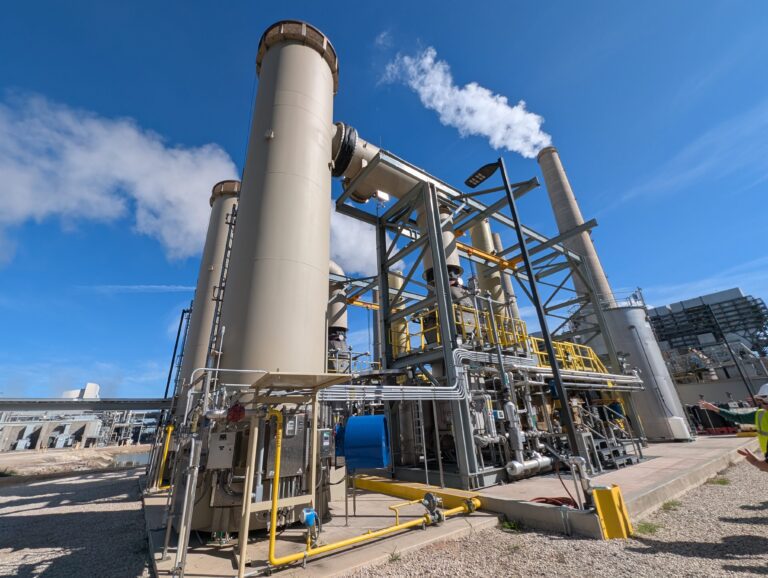
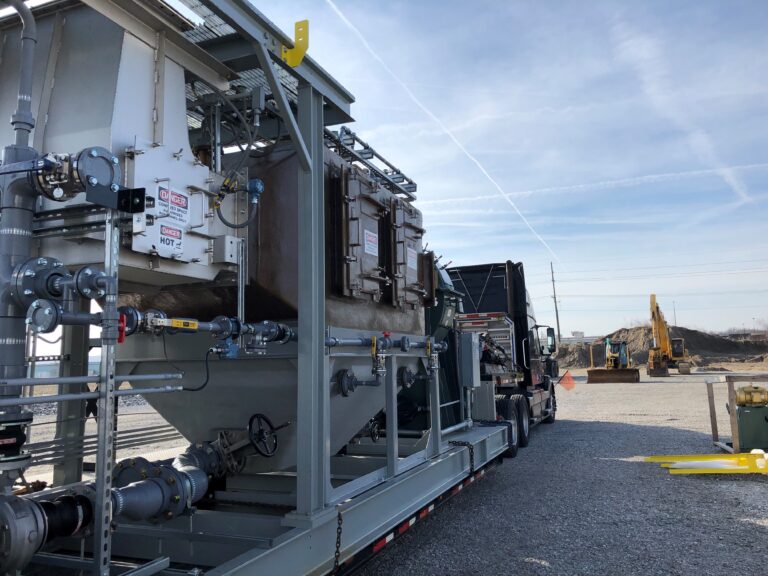
Heartland’s Concentrator isolates PFAS from bulk wastewater and reduces overall volume—creating a manageable, high-strength residual stream.
- Treat complex, high-TDS wastewater (leachate, industrial streams, RO concentrate)
- Concentrate PFAS into a smaller volume for controlled handling
- Reduce hauling, disposal cost, and system dependency
- Operate continuously with minimal operator oversight
Designed for real-world PFAS challenges
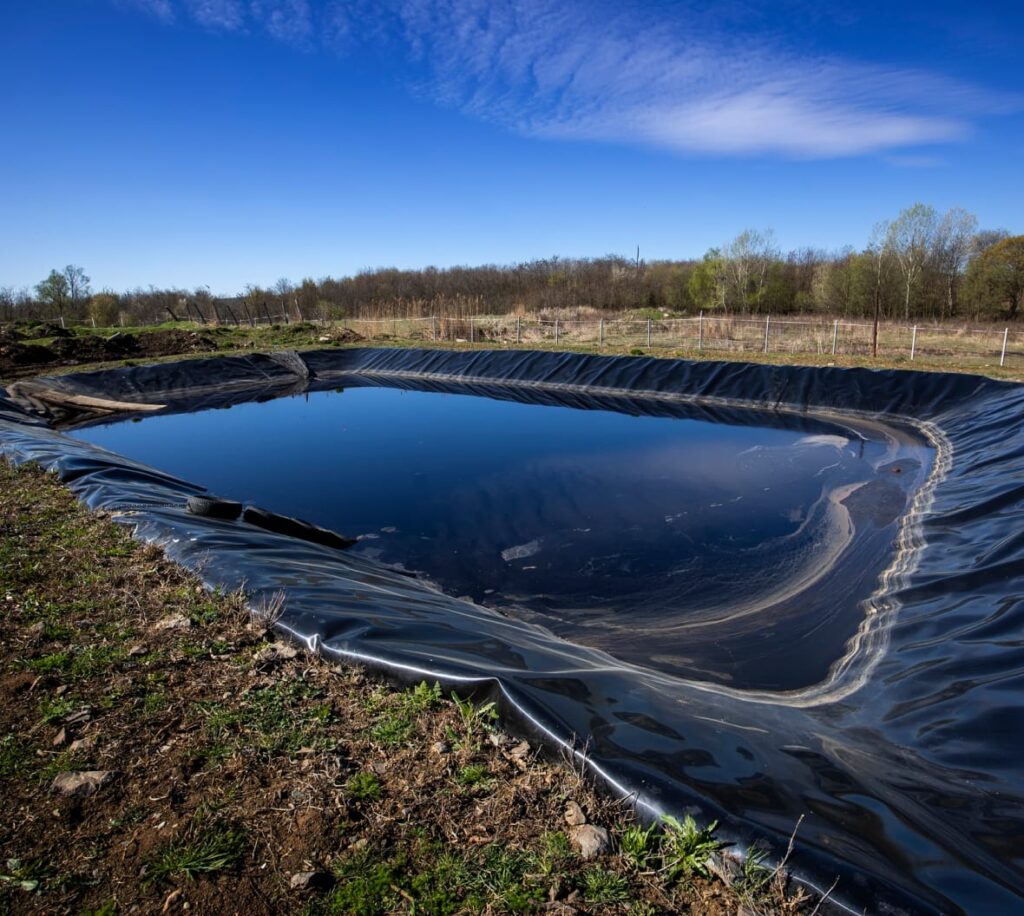
Landfill Leachate
Landfills, as passive receivers, must manage and contain PFAS to prevent its spread into the environment. Heartland’s PFAS separation and concentration technology handles liquid waste streams, creating a concentrated residual ready for safe disposal at the landfill or destruction—ensuring effective PFAS management and environmental protection.
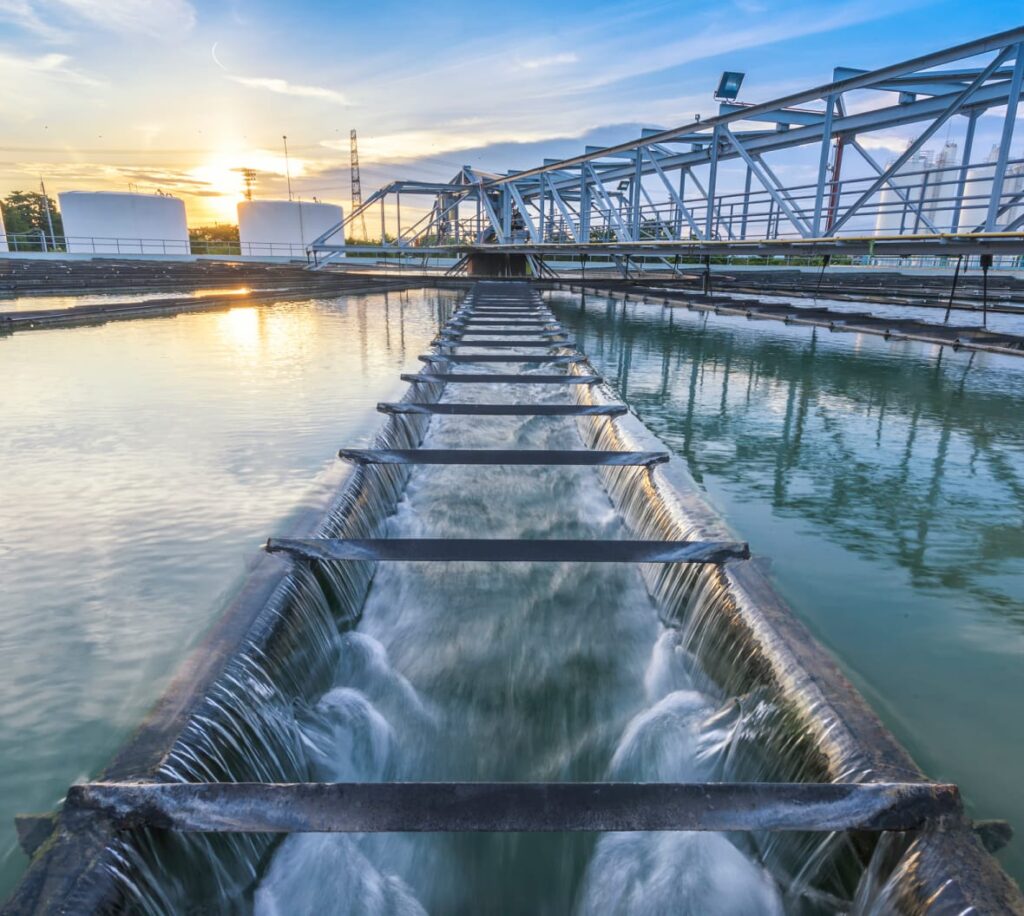
Industrial Wastewaters
As industries continues to navigate the regulatory path being forged by PFAS, concentrating wastewater on-site makes residual products more efficient to manage and dispose of.
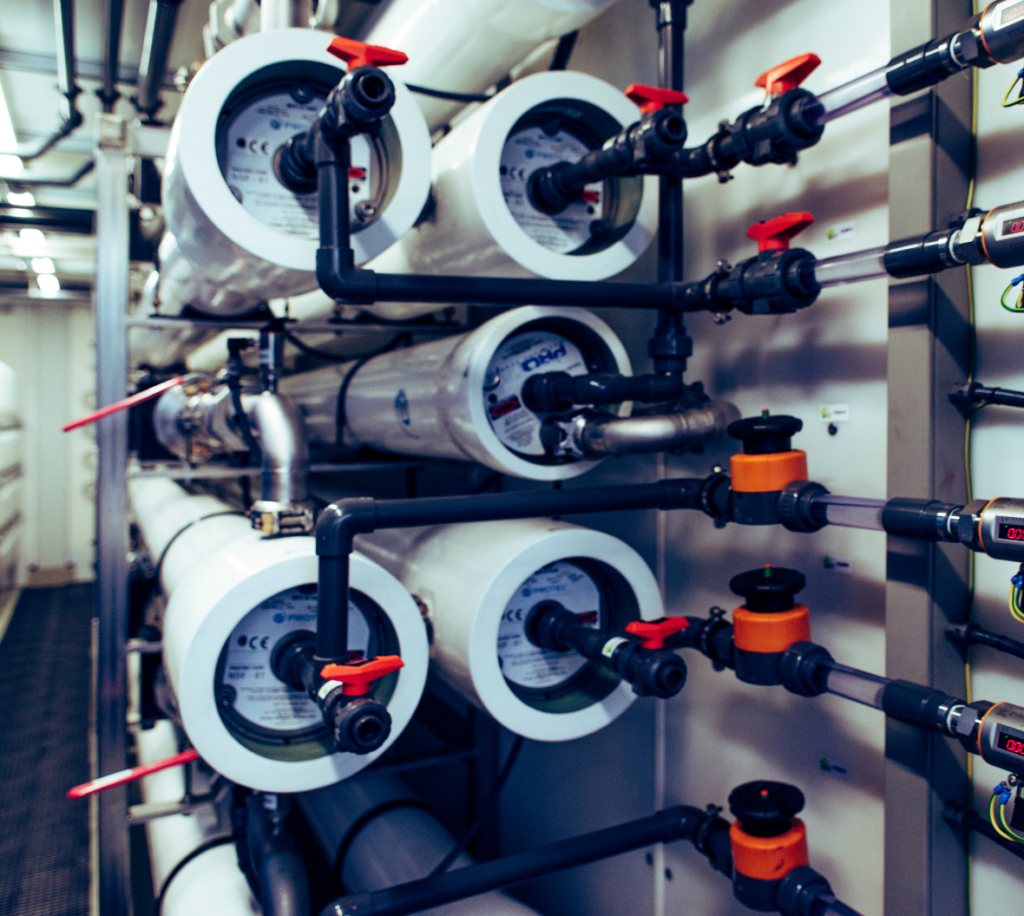
RO Concentrate & Reject Streams
Membranes separate—but they also create a PFAS-rich waste stream. Heartland reduces concentrate volume, simplifies handling and disposal and completes the treatment train.
Why PFAS separation is critical
Effective PFAS solutions begin with separation, because PFAS compounds are dispersed across large volumes of wastewater. Attempting treatment for PFAS at full scale increases energy demand and reduces consistency. Many treatment technologies focus only on removal or destruction, which can drive cost without improving outcomes.
PFAS separation concentrates contaminants into a smaller stream, making treatment more efficient. This approach improves system reliability, lowers operating costs, and enables more effective downstream PFAS destruction. Concentration also enhances process control, especially in high-strength wastewater conditions.
Separating PFAS ensures contaminants are contained rather than redistributed, helping facilities better remove them from operational systems. This is critical as polyfluoroalkyl substance regulations evolve and scrutiny increases. Volume reduction also lowers hauling requirements, reducing cost and liability exposure.
Heartland applies separation as the first step in a complete solution. Systems are designed to support PFAS removal from wastewater by concentrating contaminants into a controlled residual stream. This prepares material for safe handling or destruction, reflecting a more reliable approach than treating large volumes directly.
Regulations are Forcing Change
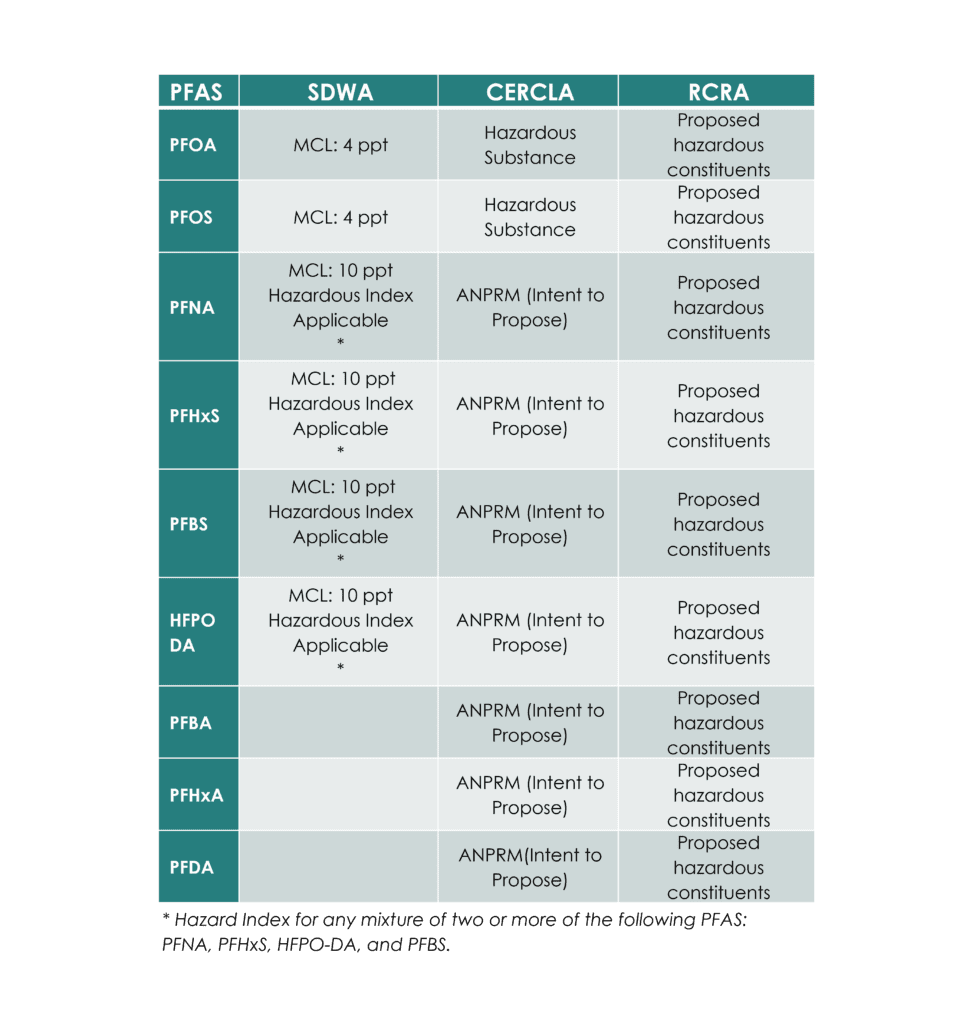
Efforts to regulate PFAS are escalating at state and federal levels, with increasing focus on both environmental impact and human health, as outlined in the EPA’s PFAS regulations and health risks. The EPA has set legally enforceable maximum contaminant levels (MCLs) for certain PFAS, outlined in the EPA PFAS drinking water standards. However, many states have established their own requirements.
Precision PFAS testing
-
Method 1633Analysis of Per- and Polyfluoroalkyl Substances (PFAS) in Aqueous, Solid, Biosolids, and Tissue Samples by LC-MS/MS
-
OTM 45Other Test Method 45 (OTM-45) Measurement of Selected Per- and Polyfluorinated Alkyl Substances from Stationary Sources
-
537 ModifiedMethod 537.1 Determination of Selected Per- and Polyfluorinated Alkyl Substances in Drinking Water by Solid Phase Extraction and Liquid Chromatography/Tandem Mass Spectrometry (LC/MS/MS)
PFAS solutions FAQs
What are PFAS solutions and why do they matter?
PFAS solutions are systems used to manage PFAS across wastewater, biosolids, and industrial waste. Because these compounds persist and accumulate, effective PFAS treatment is essential to reduce long-term environmental and regulatory risk.
How do Heartland’s PFAS solutions work?
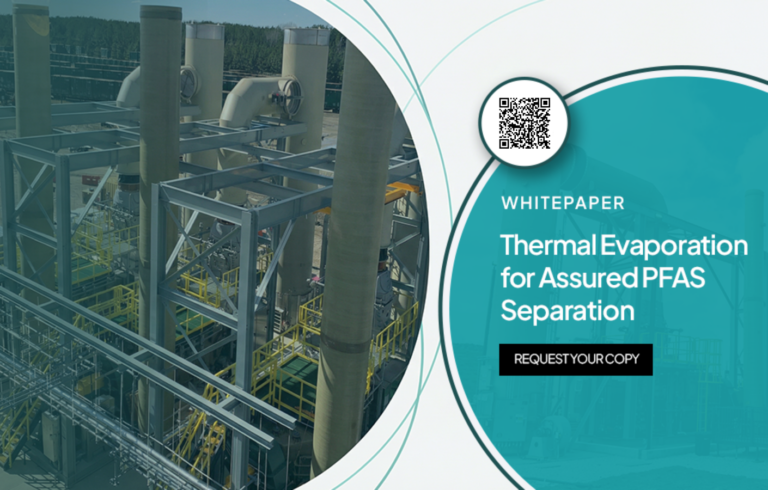
Heartland uses a two-step approach. First, thermal separation enables PFAS removal from wastewater by concentrating contaminants into a smaller residual stream. That material can then undergo targeted PFAS destruction, improving efficiency and reducing overall waste volume.
What is the difference between PFAS separation and PFAS destruction?
Separation isolates PFAS from large volumes of water, while destruction breaks down the concentrated compounds at high temperatures. Together, these PFAS treatment technologies create a more effective and scalable solution than either method alone.
Why is on-site PFAS treatment preferred over off-site disposal?
On-site treatment for PFAS reduces transportation, lowers cost, and minimizes risk. It also gives facilities greater control over compliance while helping them more effectively remove PFAS at the source.
Which industries benefit most from PFAS solutions?
Industries with complex waste streams benefit most from PFAS removal, including landfills, wastewater facilities, industrial operations, and energy producers using GAC or ion exchange systems.