What Is Deep Well Injection?
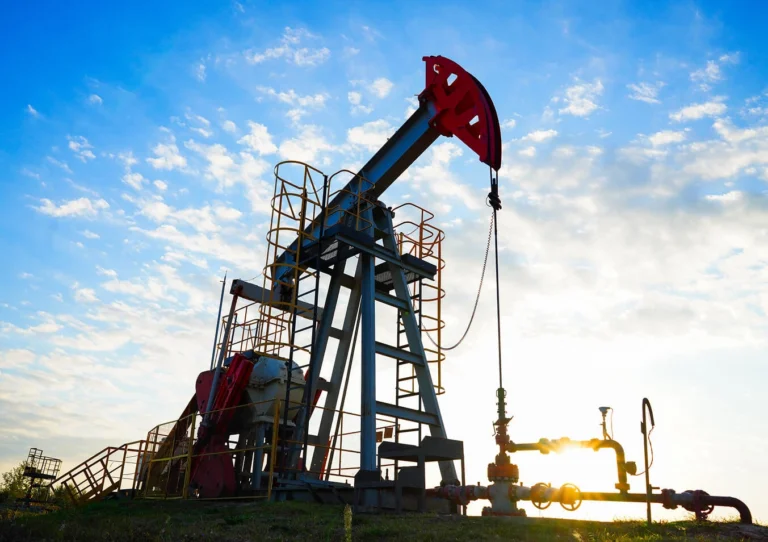
Deep well injection is a long-established method for managing liquid waste streams that cannot be easily discharged, reused, or treated at the surface. Under this approach, fluids are pumped thousands of feet underground into carefully selected geologic formations that are intended to remain isolated from the biosphere. These formations sit far below usable aquifers and are chosen for their ability to contain fluids over long periods of time.
Historically, this practice expanded alongside industrial growth, energy production, and chemical manufacturing. Injection wells became a common solution for handling brines, industrial effluents, and other residual liquids generated at scale. In many cases, operators viewed subsurface disposal as a way to remove waste from active environmental systems entirely.
From a regulatory standpoint, deep well injection exists within a defined compliance framework in the United States. Oversight falls under the Environmental Protection Agency through the Underground Injection Control Program, which establishes technical requirements intended to safeguard underground sources of drinking water. Wells are classified based on the type of waste injected and the depth and geology involved, with increasingly stringent controls applied to higher-risk waste streams.
Despite its long history, the role of deep well injection continues to evolve. Growing attention to emerging contaminants, long-term liability, and environmental protection has prompted regulators, communities, and operators to reassess whether permanent underground disposal remains the most responsible option for certain wastes.
Environmental & Health Risks Associated with Deep Well Injection
While deep well injection is designed to isolate waste from surface ecosystems, it is not free from environmental and health risks. These risks stem from both engineered systems and the inherent uncertainty of subsurface geology. Once fluids are injected, they cannot be easily monitored or recovered, which amplifies the consequences of any failure and shifts risk into the future.
One concern involves the physical integrity of injection wells. Over time, steel casings may corrode, cement barriers can degrade, and seals may weaken due to chemical exposure, pressure fluctuations, or natural aging. Even small defects can create migration pathways that allow hazardous waste to move beyond the intended injection zone. If waste reaches an aquifer or connected formation, the impacts can be severe, persistent, and difficult to remediate.
Another widely documented risk is induced seismicity. In certain regions, pressure changes associated with deep injection wells have been linked to increased seismic activity. When injected fluids interact with pre-existing faults, subsurface stress conditions can change, sometimes triggering earthquakes. While not every injection site poses this risk, the inability to fully predict fault behavior has led to increased regulatory scrutiny and public concern.
Long-term environmental uncertainty also plays a significant role. Geological formations are not static systems. Over decades, shifts in pressure, temperature, and geochemistry can alter how injected waste behaves underground. Chemical reactions may change waste composition, and slow migration may occur in ways that are difficult to model with certainty. These unknowns complicate long-term environmental accountability and liability planning.
Key environmental and health risks commonly associated with deep well injection include:
- Well integrity degradation over time: Corrosion, cement failure, or seal deterioration can compromise containment and allow waste migration beyond intended zones.
- Groundwater contamination pathways: Undetected leaks or geological connectivity may enable waste to move toward protected aquifers, creating long-term environmental exposure.
- Induced seismic activity: Injection-related pressure changes can interact with fault systems, increasing the likelihood of seismic events in certain regions.
- Permanent waste placement: Once injected, waste cannot be retrieved, limiting remediation options if conditions change or contamination is detected later.
- Cumulative and delayed impacts: Environmental effects may not become apparent for years or decades, making monitoring, attribution, and response more challenging.
From a public perspective, concerns often center on groundwater protection and transparency. Even when injection zones are located far below usable aquifers, communities remain wary of any activity that could threaten drinking water supplies over the long term. As scientific understanding advances and regulatory expectations evolve, operators face growing pressure to demonstrate not only compliance, but long-term environmental protection and risk reduction.
Regulatory & Liability Challenges for Operators Using Deep Well Injection
Regulatory compliance is a defining feature of any deep injection program. Operators must navigate a complex landscape of federal and state oversight that governs site selection, well construction, operation, monitoring, and closure. The Underground Injection Control framework establishes baseline requirements, but states often impose additional conditions based on local geology or environmental priorities.
One key regulatory challenge involves demonstrating long-term containment. Permits require extensive geological analysis, pressure modeling, and area-of-review studies to show that injected fluids will not migrate into protected aquifers. These assessments are inherently predictive, meaning operators must rely on models rather than direct observation.
Liability exposure increases when waste streams include substances that attract heightened scrutiny. If an injection well fails or contamination occurs, responsible parties may face cleanup obligations, civil penalties, and reputational damage. Because injected waste cannot be retrieved, remediation options are limited and often costly.
Another layer of complexity comes from evolving standards. As environmental science advances, regulators may revise acceptable thresholds or monitoring requirements. Facilities that once met compliance benchmarks may find themselves under renewed scrutiny, particularly when waste streams contain emerging contaminants.
For operators, this creates a challenging risk profile. Injection wells may appear compliant today but carry uncertain obligations far into the future. As a result, many organizations are reassessing whether permanent subsurface disposal aligns with long-term risk management goals.
Specific Concerns with PFAS and Emerging Contaminants
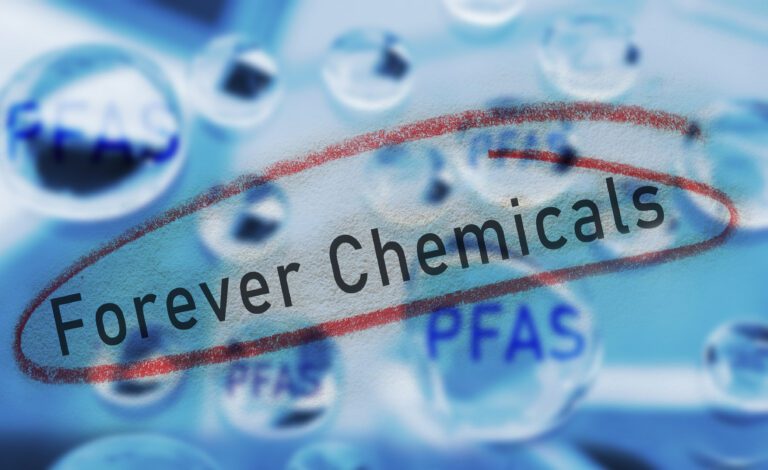
Persistent contaminants have reshaped the conversation around waste disposal. PFAS, in particular, present unique challenges due to their chemical stability, resistance to degradation, and potential health impacts. Injecting these substances underground does not neutralize them; it simply relocates them.
Once injected, PFAS may persist indefinitely. Over time, slow migration through geological formations remains possible, especially if conditions change or containment barriers degrade. This creates an enduring liability that extends beyond the operational life of a facility.
Regulators are paying closer attention to how these compounds are managed. As standards evolve, operators may be required to demonstrate not only isolation but also permanent risk reduction. For many organizations, this has shifted the conversation toward treatment and destruction rather than disposal.
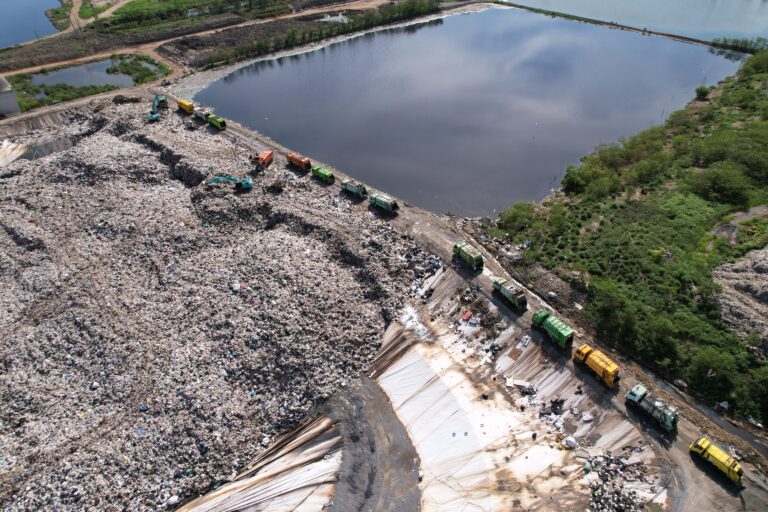
Waste streams containing PFAS often intersect with other regulated liquids, including industrial effluents and landfill leachate. Managing these streams through wastewater injection wells may satisfy short-term disposal needs but does not address long-term environmental uncertainty.
Because of these concerns, many facilities are exploring alternatives that eliminate contaminants rather than storing them underground. Treatment-based approaches offer a clearer pathway for addressing persistent chemicals and reducing future regulatory exposure.
Alternatives to Deep Well Injection: On-Site Treatment & Waste Destruction
As awareness of the disadvantages of deep well injection grows, interest in alternative waste management strategies has increased. These alternatives focus on addressing contaminants at the source instead of transferring risk to the subsurface.
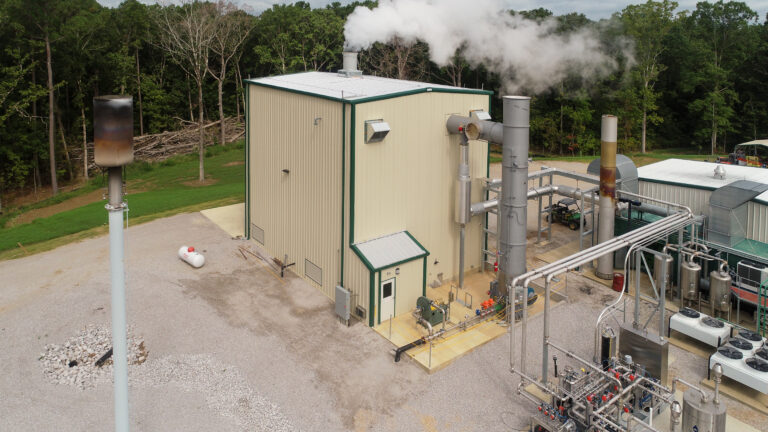
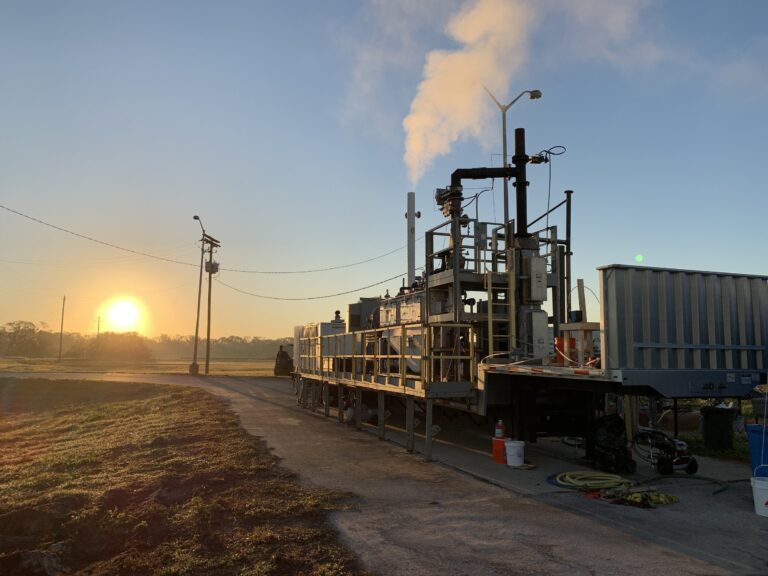
On-site treatment technologies allow operators to manage waste streams directly where they are generated. For certain liquids, concentration, separation, or thermal evaporation can significantly reduce volume and toxicity. This minimizes reliance on injection and lowers long-term liability.
High-temperature destruction technologies offer another pathway, particularly for complex or persistent waste streams. Rather than isolating contaminants underground, these systems break chemical bonds and neutralize hazardous compounds.
Source-based treatment offers several advantages. It reduces long-term monitoring obligations, limits regulatory uncertainty, and supports stronger environmental protection outcomes. While not every waste stream can be treated this way, advances in technology are expanding the range of viable alternatives.
When Deep Well Injection May Still Be Used: Risk vs. Benefit Analysis
Despite its limitations, deep well injection continues to be used in specific, tightly controlled scenarios. Some waste streams are highly saline, chemically stable, or generated in volumes that make surface treatment technically challenging or economically impractical with existing infrastructure. In these cases, injection may remain one component of a broader, multi-layered waste management strategy rather than a standalone solution.
Operators considering this approach must conduct rigorous, site-specific assessments before moving forward. Geological suitability is paramount. Injection zones must be deeply isolated from usable aquifers and protected by thick, impermeable caprock that prevents upward migration. Detailed subsurface mapping, pressure modeling, and fault analysis are essential to ensure that injected fluids remain confined over the long term.
Engineering and operational controls also play a critical role. Well construction quality, including casing materials, cementing practices, and redundant barriers, must meet stringent standards. Ongoing pressure management, mechanical integrity testing, and continuous monitoring are required to detect anomalies early and reduce the likelihood of failure. Even with these safeguards, injection relies on long-term performance of both engineered systems and natural geology.
Key conditions under which operators may still consider deep well injection include:
- Waste streams with limited treatment alternatives: Highly saline or chemically stable liquids that are not easily treatable using conventional surface technologies.
- Well-characterized geology: Sites with extensive historical data, minimal faulting, and proven containment performance over long operating periods.
- Robust regulatory oversight: Facilities operating under strict permitting, monitoring, and reporting requirements with active enforcement mechanisms.
- Non-hazardous or pre-treated liquids: Waste streams that have already undergone treatment to reduce toxicity or reactivity before disposal.
Risk evaluations must also account for future regulatory change. Even if injection is permissible today, evolving standards around contaminants, environmental protection, and groundwater safety may alter the risk profile over time. Substances once considered acceptable for disposal may later face stricter controls, increasing long-term liability for operators.
As a result, many organizations now weigh short-term practicality against long-term uncertainty. While injection may provide operational continuity in certain cases, it increasingly competes with treatment-based alternatives that offer greater control, transparency, and regulatory resilience. For operators managing complex or emerging contaminants, the decision often comes down to whether permanent disposal aligns with future environmental and business risk tolerance.
Long-Term Risks & Public and Community Concerns
Public perception plays an increasingly important role in waste management decisions. Communities near injection sites often express concern about legacy contamination and long-term environmental impacts. These concerns are amplified when waste remains underground indefinitely.
One challenge lies in detection. Groundwater contamination may take years or decades to surface, making accountability difficult. By the time impacts are identified, remediation options are limited and costly.
Monitoring requirements help but cannot eliminate uncertainty. Maintaining well integrity over long timeframes requires ongoing investment and vigilance. As infrastructure ages, the risk of failure increases, raising questions about who bears responsibility in the future.
Community trust also depends on transparency. Residents expect clear communication, independent testing, and evidence that environmental risks are being managed responsibly. In some regions, public opposition has influenced permitting decisions and accelerated the search for alternatives.
As science and regulation evolve, reliance on permanent underground disposal faces growing scrutiny. Many organizations now view injection as a transitional solution rather than a long-term strategy.
Why Sustainable Waste Treatment Matters
Deep well injection has played a significant role in industrial waste management, but its disadvantages are becoming increasingly difficult to ignore. Environmental risk, regulatory uncertainty, long-term liability, and public concern all factor into the decision to inject waste underground.
For complex waste streams, particularly those involving persistent contaminants, treatment and destruction offer a clearer path forward. Addressing waste at the source reduces uncertainty and aligns with modern expectations for environmental stewardship.
Heartland works with operators, municipalities, and industrial facilities to evaluate waste streams and identify solutions that minimize risk while supporting compliance and operational resilience. By combining engineering expertise with advanced technologies, we help organizations move beyond disposal toward more sustainable outcomes.
Decision-makers evaluating injection, treatment, or alternative approaches should consider both current requirements and future obligations. Contact us to start a conversation with our waste solutions team and discuss options for managing challenging waste streams and reducing long-term liability.