Fracking and Water: The Growing Challenge of Produced Water Management
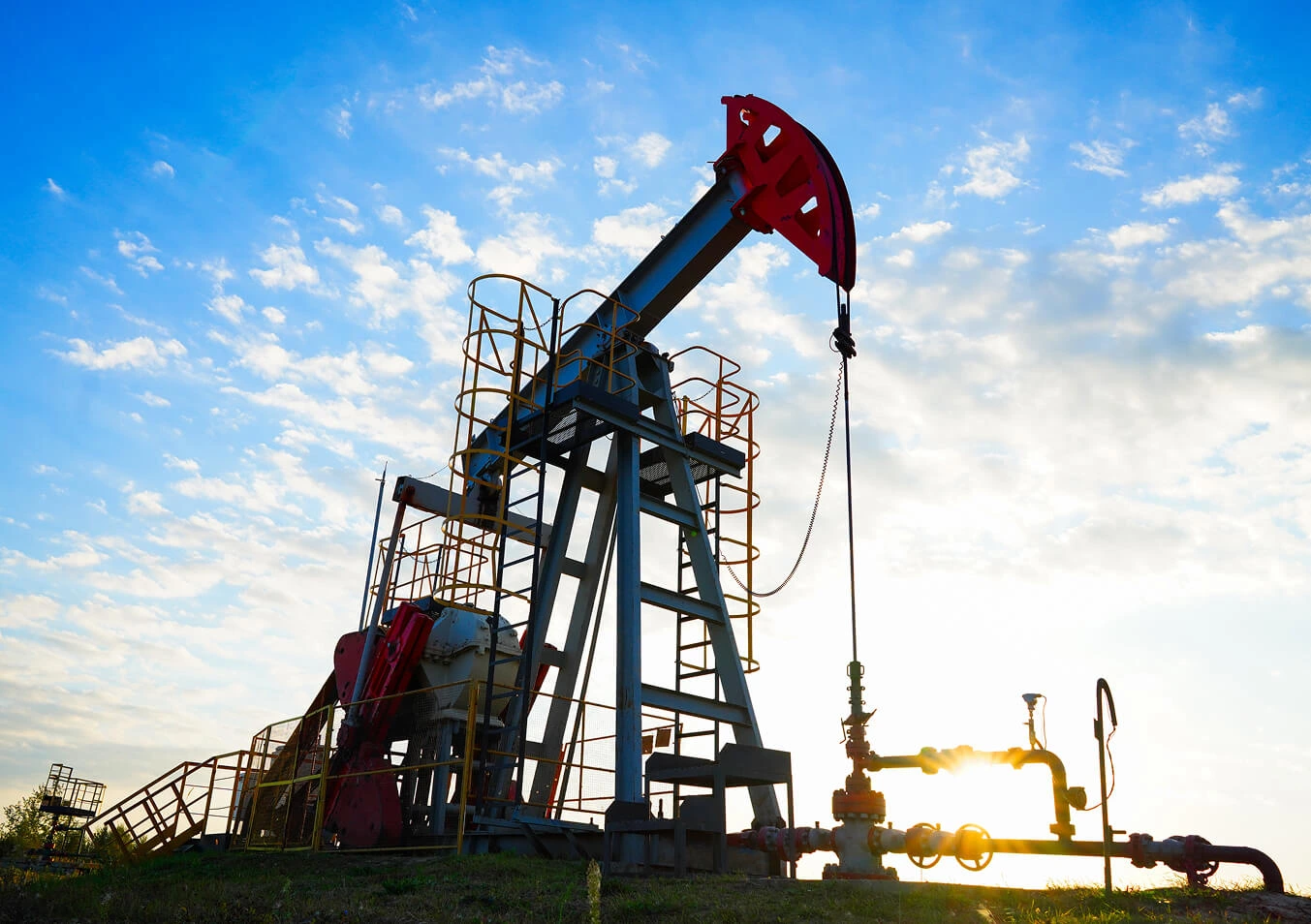


Hydraulic fracking is not a drilling process but instead utilizes an already drilled hole to create or restore small fractures in formations capable of yielding oil or gas. In terms of hydraulic fracturing, water and sand make up 99.5% of the injectable that’s used. This means that in a multi-stage, single horizontal shale gas well, several million gallons of hydraulic fracturing water usage might be demanded. Most water resources come from surface water sources, such as municipal supplies, rivers, and lakes. Groundwater is also used to augment surface water supplies when applicable.
Water Consumption and Availability Concerns
Due to the demand, hydraulic fracking can contribute to water resource depletion of both surface and groundwater, but when compared to other industries that require heavy water use, the amount of water used in fracking is minimal. The bulk of freshwater demand comes from the agricultural field, globally pulling 70% of all freshwater withdrawals according to UNESCO. When it comes to high-stress locations or dry regions, the reliance on local groundwater is greatly increased. Following are ways that water availability is impacted:
- Permanent Removal From Water Cycle: Water used in fracking can often not be returned to the ecosystem. Therefore, fracking can remove billions of gallons of water from the freshwater cycle annually.
- Competition With Other Industries: In some cases, large-scale water withdrawals can deplete local water supply and eventually cause a decline in groundwater levels and increase saltwater intrusion. This can impact local aquatic ecosystems, farmers, and local residents.
- Regional Strains: Water use demands greatly increase in areas where water is strained. Research shows water use for fracking within the Permian Basin in Texas and New Mexico increased 770% between 2011 and 2016 due to the area’s lack of available water resources.
Fracking Wastewater and Produced Water Challenges
Fracking produces wastewater and flowback water, which contains chemicals, sand, and more, leaving it high in salinity, hydrocarbons, chemical additives, and metals. This water cannot be easily used for other purposes. Flowback is the part of injected fluid that returns to the surface soon after fracturing. Produced water is the naturally occurring water from the underground formation that will reach the surface over the well’s productive lifecycle.
An estimated 5-40% of the injected water returns to the surface in flowback after the fracturing process begins. However, over the lifecycle of the well, ranging from 5 to 20 years, additional wastewater in the form highly saline produced water can emerge. Some estimates suggest that total produced wastewater from U.S. shale operations reached around 210 billion gallons over a decade of study. One wellhead can discharge up to 100,000 gallons per day of produced wastewater. This can result in some challenges related to water treatment, reuse, and disposal.
Risks to Surface Water and Groundwater Resources
The fracking process can risk surface water and groundwater resources if the proper industrial wastewater treatment and disposal elements are not carefully and purposefully implemented from the start, along with meeting all monitoring and regulatory oversight. The following are some common risks impacting groundwater resources and surface water due to the fracking process:
- Spill Risks: Spills can occur on the surface, leading to chemical exposure. Studies show that the majority of all fracking-related chemicals are considered dangerous or toxic to human health.
- Improper Disposal: Disposal of produced water is required to protect surface water and groundwater resources.
- Well Integrity Failures: Fracking wells can also fail that can create pathways for fracking fluids or wastewater leaking from the well into shallow aquifers.
- Migration Concerns: Migration of fluid can occur through natural faults, faulty wells, and interconnected fracture networks. This can negatively impact drinking water in some situations.
- Public Perception: Water contamination is a big issue of public perception, leading to mistrust and opposition of the fracking industry. Therefore, having environmental risk management and groundwater protection methods in place is imperative.
The Role of PFAS and Persistent Contaminants
Per- and polyfluoroalkyl substances (PFAS) are manmade, forever chemicals. These substances, utilized in hydraulic fracturing input water, produced water and mixed fracturing fluids have been detected in water streams near fracking wells. These chemicals can make their way through rock formations underground and eventually cause contamination. The presence of PFAS is a serious issue that makes cleaning this wastewater challenging. These forever chemicals create a complex cocktail that contains over 250 inorganic and organic substances that make cleaning the water impossible to do using just one method.
PFAS compounds complicate treatment and reuse options for this water. Therefore, PFAS contamination must be approached with an innovative approach to address the complexity that exists surrounding forever chemicals. These persistent chemicals are difficult to destroy and are often concentrated into residual waste streams that must be carefully managed.
Disposal Practices and Their Impact on Water Resources
The primary method of disposing flowback or produced water from fracking is underground injection or disposal wells. In this process, a Class II injection well is used to house water. They are usually thousands of feet deep, encased in steel or concrete, and are located far below drinking water aquifers. The EPA guidance on underground injection control (UIC) should be followed to ensure compliance and environmental safety.
Another way that fracking produced water and flowback can be disposed of is through water recycling or reuse, which is another common industry usage. This takes the chemically saturated wastewater and treats it either chemically or through filtration to remove the bacteria and solids. Then, the remaining fluid is blended with freshwater and reused in other fracking operations.
Wastewater can also be sent to private industrial treatment facilities to remove contaminants. The risks associated with hydraulic fracking wastewater disposal include leakage from storage pits or wells, spills during transport, and failure at injection well sites. These issues can all impact surface water and shallow aquifers.
While disposal pathways remain essential, they are increasingly constrained by cost, capacity, and logistics—especially as produced water volumes continue to grow.
Volume Reduction as a Practical Water Management Strategy
In practice, many operators are not trying to convert produced water into a reusable resource. Instead, they are focused on reducing the volume of wastewater that must be transported, treated, or disposed of.
Thermal evaporation and concentration technologies provide a practical approach by removing the majority of water onsite. This reduces overall volumes by 95–98%, significantly lowering the burden on disposal infrastructure.
By reducing volume at the source, operators can:
- Minimize trucking and transportation requirements
- Reduce reliance on injection wells and third-party facilities
- Lower overall disposal costs
- Simplify water management logistics
This approach works alongside existing disposal methods, making it easier to manage produced water without requiring large-scale reuse infrastructure.
Why Water Resource Management Will Shape the Future of Fracking
Water is no longer a secondary consideration in oil and gas operations. In many basins, it is becoming a limiting factor.
Several trends are driving this shift:
- Rising Water Volumes: Produced water increases over the life of a well
- Disposal Constraints: Injection capacity and logistics are under pressure
- Operational Risk: Water handling can impact production continuity
- Cost Pressure: Transportation and disposal are major cost drivers
As a result, operators are prioritizing solutions that can be deployed quickly and integrate with existing infrastructure.
Rather than focusing solely on reuse, many are turning to approaches that reduce the scale of the problem—starting with volume.
How Heartland Supports Produced Water Management
Heartland focuses on reducing the volume of complex industrial wastewater, rather than attempting to produce reusable water.
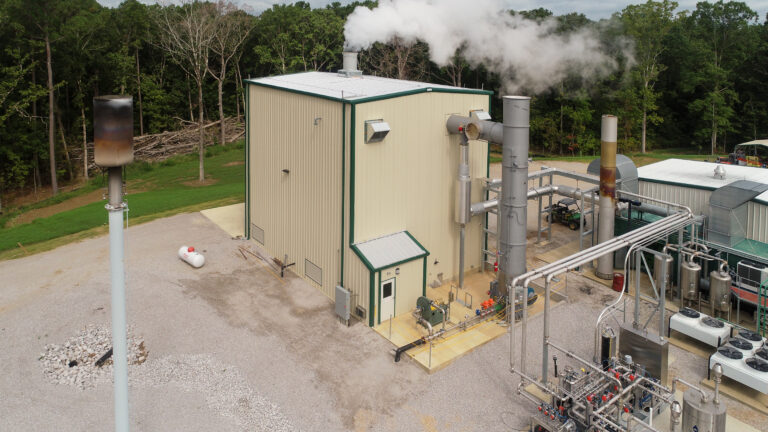
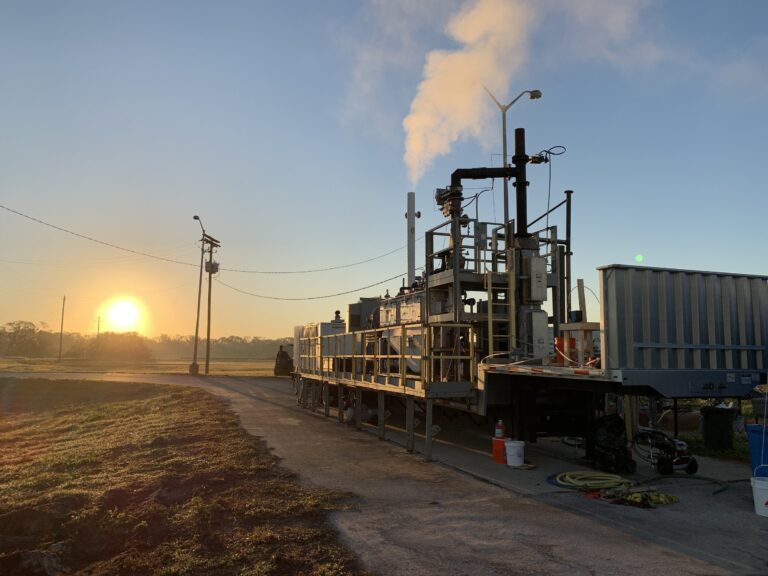
Our thermal concentration systems use evaporation to reduce produced water volumes by up to 95–98% onsite. This transforms a large, difficult-to-manage waste stream into a much smaller residual for disposal.
This approach allows operators to:
- Reduce transportation and disposal costs
- Operate independently of constrained disposal infrastructure
- Manage high-TDS, variable wastewater streams
- Maintain flexibility as regulatory and market conditions evolve
By addressing volume first, Heartland provides a practical and scalable solution to one of the most pressing challenges in modern oil and gas operations.