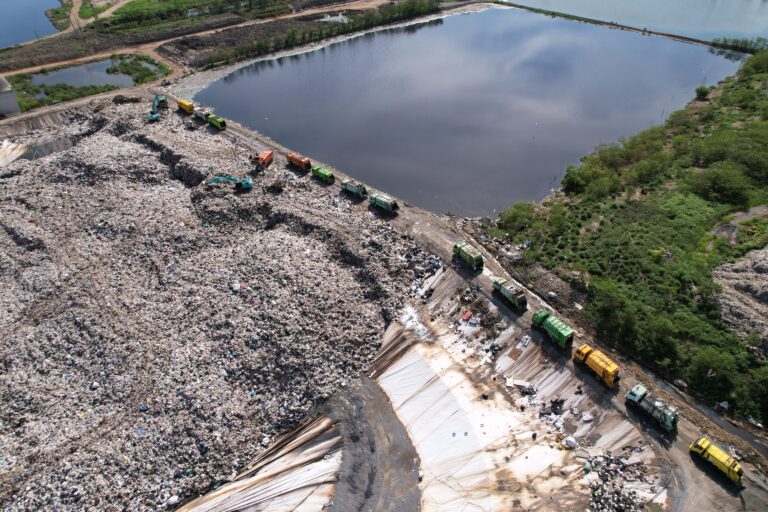


Landfills remain an important component of modern waste infrastructure, but as they grow and age, they create a challenging byproduct that must be managed carefully: leachate. This liquid forms naturally within a landfill as moisture moves through layers of waste, picking up dissolved and suspended materials along the way. As environmental expectations evolve, many facilities are now asking, “How do you remove leachate from the landfill in a way that protects surrounding ecosystems, meets regulatory requirements, and supports long-term sustainability goals?”
Leachate is far more complex than ordinary wastewater. It often includes a mixture of organic matter, heavy metals, organic pollutants, nitrogen compounds, dissolved solids, and other contaminants that increase in strength as the landfill matures. As regulations evolve and new contaminants of concern emerge, the need for reliable, efficient leachate treatment has become a central focus for municipalities, industrial facilities, and environmental partners across the country.
Effective management of landfill leachate is not simply an operational requirement. It is a critical part of protecting groundwater, preventing pollution, and ensuring that landfill operations remain compliant and sustainable. Achieving this requires thoughtful engineering, modern collection systems, reliable storage processes, and treatment technologies that can address both traditional contaminants and those that did not exist in earlier regulatory frameworks.
Understanding how leachate forms and the options for treating it allows landfill operators and environmental professionals to make informed decisions. It also helps communities understand the behind-the-scenes work that supports safe and responsible waste disposal while reducing long-term environmental risks.
How Leachate Forms
Leachate develops naturally in every landfill, beginning as soon as waste is deposited. Rainfall and snowmelt percolate through layers of municipal solid waste, dissolving or suspending materials contained within it. As waste breaks down, it also generates additional liquid through biological decomposition. Combined, these liquid sources form a concentrated mixture with characteristics that vary depending on waste composition, landfill age, moisture content, and local climate conditions.
Younger landfills tend to produce leachate that contains higher levels of biodegradable compounds, while older landfills may generate leachate rich in dissolved solids, ammonia, and more resistant organic compounds. Temperature, pH, and microbial activity all influence the chemistry of the liquid. As decomposition continues, the landfill also generates landfill gas, which can further affect pressure inside the waste mass and potentially increase the rate at which liquid accumulates.
The environmental risks associated with leachate make proper management essential. If not contained, leachate can migrate downward into underlying soils or outward into groundwater systems. Containing leachate protects water resources and prevents the spread of contaminants to surrounding ecosystems. Pollutants like organic compounds, ammonia, metals, and other dissolved materials can travel long distances once released into groundwater pathways.
The EPA provides an accessible overview of leachate composition and its associated risks in its Leachate Overview resource. This information helps illustrate why many regulators require sophisticated containment and treatment strategies designed to adapt to changing waste streams and long-term environmental goals.
Leachate Collection Systems: The First Line of Defense
Modern landfill design includes multiple layers of engineered protection that work together to collect leachate before it can escape into the surrounding environment. These systems are built to withstand the extreme conditions present within a landfill, including pressure from waste, chemical exposure, long operational timelines, and natural weather patterns.
At the base of the landfill, engineers install a composite liner system, typically consisting of a compacted clay layer combined with a high-density polyethylene membrane. This liner acts as a barrier to prevent downward migration of leachate into soil and groundwater. Above the liner sits a drainage layer of sand or gravel that promotes efficient liquid flow.
Perforated piping systems embedded within this drainage layer capture leachate and move it toward a sump, where pumps transfer it to storage or treatment units. These pumps need to be robust enough to handle challenging conditions, including solids that may enter the system. Automated controls are often integrated into pump stations to maintain consistent liquid levels and reduce the risk of overflow.
Real-time monitoring is becoming increasingly common in landfill infrastructure. Sensors can measure flow rates, detect pressure changes, or identify potential leaks long before they become environmental issues. This proactive approach helps landfill operators reduce maintenance costs, extend component life, and improve regulatory compliance.
Because landfill operations span decades, properly designed and well-maintained collection systems are essential to both immediate performance and long-term environmental protection. These systems form the foundation of every landfill’s wastewater strategy, enabling safe capture of leachate before any treatment steps begin.
Storage and Transport: Managing Collected Leachate
Once leachate has been collected, it must be handled in a way that prevents environmental releases and maintains compliance with local and federal requirements. Landfills typically store leachate in sealed tanks or lined holding ponds. The choice between these options depends on site size, climate conditions, regulatory considerations, and operational preferences.
Tanks provide a higher degree of containment and are often used when a site generates consistent leachate volumes. They reduce surface exposure and minimize potential for evaporation or unwanted air emissions. Lined ponds, on the other hand, offer additional storage capacity and may be useful during periods of heavy rainfall. Both storage methods require routine inspection to ensure liner integrity and to monitor for signs of leaks or structural wear.
Transporting leachate is another aspect of management that requires careful planning. Some landfills send leachate to an external wastewater treatment plant as part of a broader water treatment strategy designed to manage complex industrial waste streams. Pipelines reduce traffic and emissions but require proper design to prevent leaks. Trucking provides flexibility but increases transportation costs and creates potential spill risks.
Regardless of the approach, operators must follow strict procedures for secondary containment, spill response, and compliance documentation. The goal is to ensure that stored and transported leachate remains fully controlled from the moment it leaves the landfill collection system until it reaches a treatment facility.
Managing these logistics effectively allows the landfill to maintain smooth operations, respond to fluctuations in leachate volume, and prepare for treatment in a way that aligns with long-term sustainability goals.
Traditional Leachate Treatment Methods
Traditional landfill leachate treatment processes adapted from industrial and municipal wastewater systems have been used for years to handle landfill leachate. These methods focus on removing specific pollutants based on their chemical characteristics. Although effective in many cases, they can also introduce challenges, particularly when dealing with high-strength or variable leachate from aging landfills.
Biological Treatment Approaches
Activated sludge systems rely on microorganisms to break down biodegradable organic matter and convert it into more stable forms. This approach works well for certain sources of leachate contamination but may struggle with high ammonia concentrations or compounds that resist biodegradation.
Chemical and Physical Treatment Processes
Chemical precipitation uses coagulants to remove metals or suspended solids by converting them into forms that settle out of solution. Air stripping can remove volatile compounds under the right conditions and is sometimes used as a pretreatment step.
Membrane Filtration Technologies
Reverse osmosis is another widely used technology. It forces leachate through a semipermeable membrane that separates clean water from contaminants. While reverse osmosis provides strong removal performance, it also produces a concentrated waste stream that must be handled separately.
Some facilities also incorporate polishing steps, such as filtration with granular activated carbon, to target compounds that traditional biological or chemical systems may not fully remove.
Limitations of Conventional Treatment
As leachate becomes more chemically complex, the limitations of these traditional processes become more pronounced. They may require multiple treatment stages, frequent maintenance, or supplemental processes to address contaminants that were not a concern when older systems were originally designed.
Ongoing Research and Industry Innovation
The scientific community continues to explore new methods for improving conventional systems. For a more technical perspective on current treatment advancements, ScienceDirect provides a helpful overview titled Advances in Leachate Treatment. These insights show that as leachate chemistry evolves, treatment solutions must evolve as well.
Advanced Treatment Technologies for Leachate Removal
Advanced technologies are changing the landscape of leachate treatment. These innovations focus on efficiency, resilience, and long-term sustainability. Many of the most effective solutions move away from conventional containment methods and instead emphasize volume reduction.
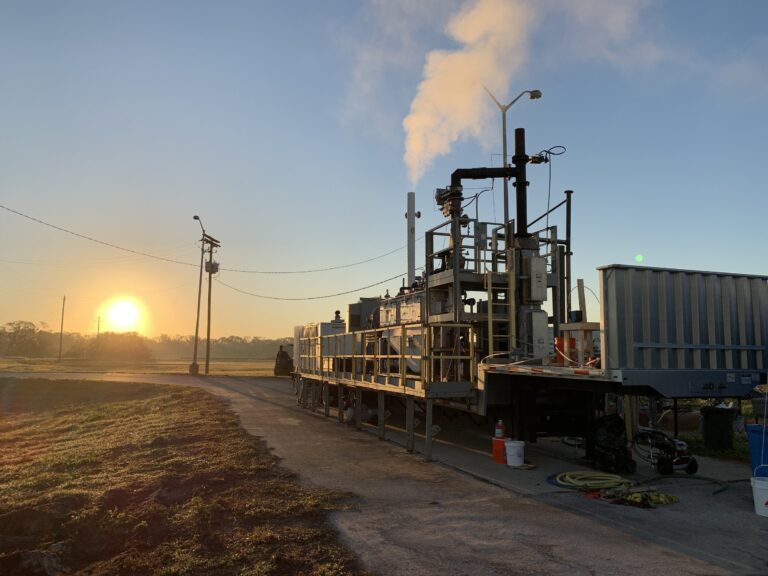
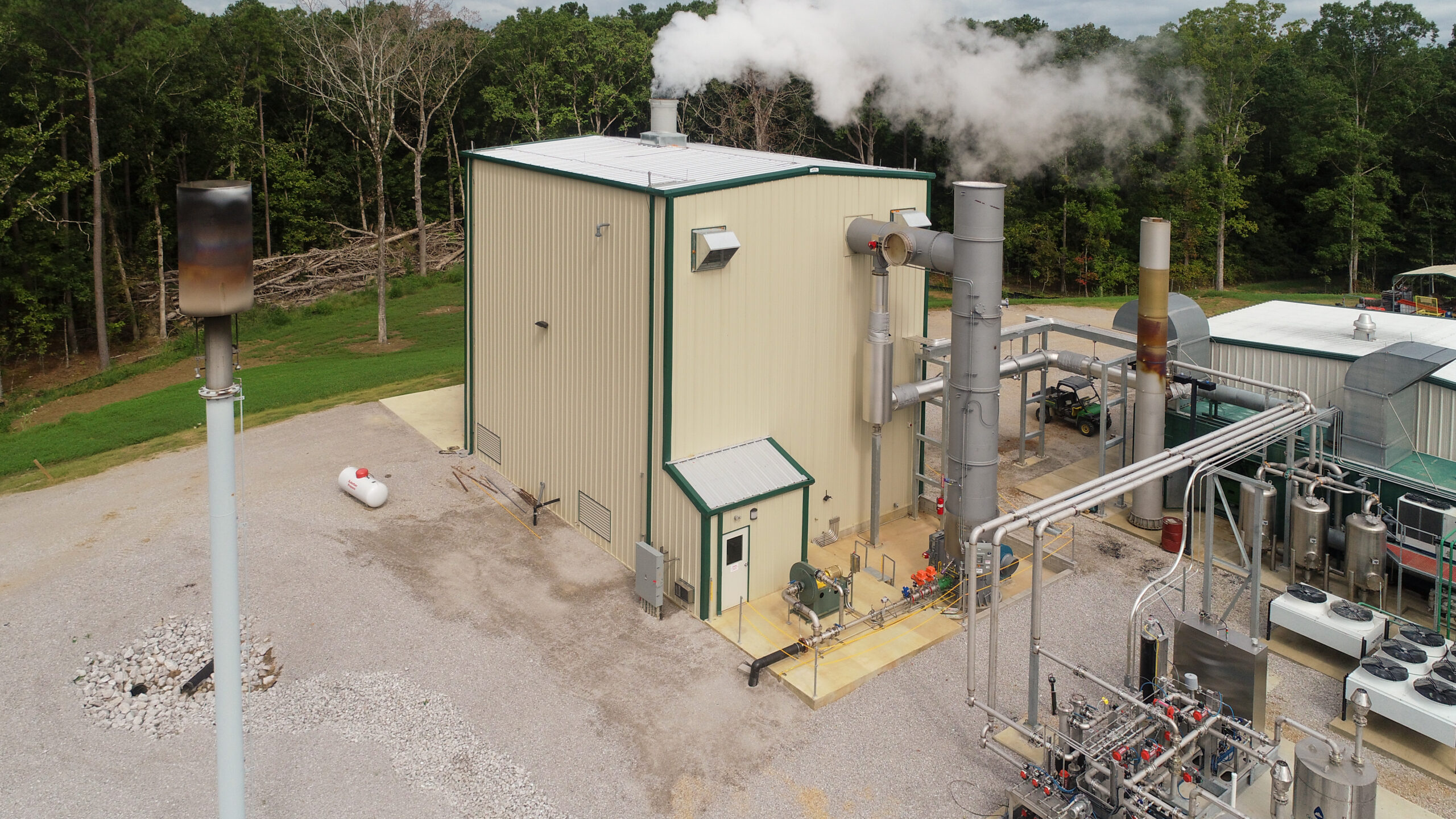
Thermal concentration is one of the most pragmatic approaches. Systems like the Heartland Concentrator use direct contact between hot gases and leachate within a high-turbulence evaporation zone. This design avoids heat exchangers and the fouling issues associated with them. By leveraging available waste heat, facilities can reduce energy consumption while achieving high rates of volume reduction.
Direct-contact systems create large surface areas between liquid and gas phases, which accelerates evaporation. As water vapor exits the system, remaining residual is concentrated, becoming easier to handle, store, or dispose of. Heartland’s approach also integrates mist elimination and vacuum operation, which enhances performance and reduces overall emissions.
On-site treatment using modular units further supports operational efficiency. These systems reduce trucking requirements, lower emissions, and give operators more control over their leachate management strategies. Heartland’s landfill leachate solutions highlight how a focused engineering approach can transform operational challenges into opportunities.
As the industry continues to evolve, advanced treatment technologies offer the reliability, flexibility, and sustainability needed to meet both current and future environmental expectations.
Environmental and Regulatory Considerations
Regulations governing landfill leachate treatment are designed to protect water quality and public health. In the United States, the Resource Conservation and Recovery Act establishes standards for landfill design, operation, and closure. The Clean Water Act regulates the discharge of treated leachate into surface waters or municipal systems. Together, these frameworks set expectations for how landfills must collect, store, treat, and monitor leachate throughout their operating life.
Compliance involves regular sampling, laboratory testing, reporting, and system documentation. Operators must understand local permit conditions and demonstrate that their treatment methods produce effluent that meets established discharge limits. As new contaminants of concern such as PFAS draw greater attention, regulators are expected to introduce more detailed requirements for treatment and monitoring.
Technology plays an important role in supporting compliance. Automated sensor systems, data logging, and digital reporting tools help landfill operators maintain consistent oversight of their treatment infrastructure. These tools also provide valuable information that can guide maintenance planning, identify emerging issues, and improve overall performance.
Environmental responsibility extends beyond compliance. Many organizations increasingly view leachate management as part of broader sustainability and ESG goals. Treating leachate effectively protects natural resources, reduces long-term liability, and shows a commitment to responsible waste management that benefits surrounding communities.
Integrating Leachate Treatment Into Broader Waste Reduction Strategies
Leachate treatment does not exist in isolation. It is part of a larger effort to manage waste efficiently, reduce environmental impact, and promote circular resource use. Landfills today look for ways to minimize liquid formation, reclaim energy, reuse materials, and reduce waste volumes whenever possible.
Integrating leachate management practices with broader waste strategies helps create a more resilient and sustainable operation. Reducing moisture within the landfill can decrease leachate volume and lower treatment costs. Capturing waste heat from engines or flares provides a cost-effective energy source for evaporation-based systems. Identifying beneficial reuse opportunities for residuals can further reduce disposal needs.
This systems-based approach aligns leachate management with the principles of resource recovery and circular design. It allows landfills to manage waste more responsibly while identifying new opportunities for efficiency and long-term environmental performance.
The Future of Leachate Management
The future of leachate treatment is moving toward greater automation, digitization, and sustainability. As landfills become more complex and environmental expectations continue to rise, new technologies will help operators anticipate changing conditions and optimize their systems in real time.
Advanced monitoring tools can provide immediate insight into leachate composition, system performance, or changes in flow rates. Artificial intelligence and predictive analytics may support decision making by identifying treatment adjustments before issues arise. Modular treatment units that operate directly on site will become increasingly attractive as operators look to reduce transportation costs and lower emissions.
As industries and communities place greater emphasis on long-term environmental stewardship, landfill operators will continue investing in solutions that not only meet regulatory requirements but also contribute to broader sustainability goals. Heartland is committed to supporting this transition through ongoing innovation, engineering expertise, and solutions designed to address the most challenging wastewater streams.
For more information or to discuss customized solutions, contact us today.