

Regulations governing coal plants across the United States change constantly. While air emissions have historically been a focal point, wastewater is now becoming one of the most significant operational challenges for utilities. Compliance with coal-fired power plant wastewater regulations is now a defining issue for plants that plan to remain online through the next decade.
The shift is largely driven by the Environmental Protection Agency’s evolving Effluent Limitation Guidelines, commonly referred to as ELGs. These rules establish technology-based limits for discharges from key wastewater streams, including:
- Flue gas desulfurization wastewater
- Bottom ash transport water
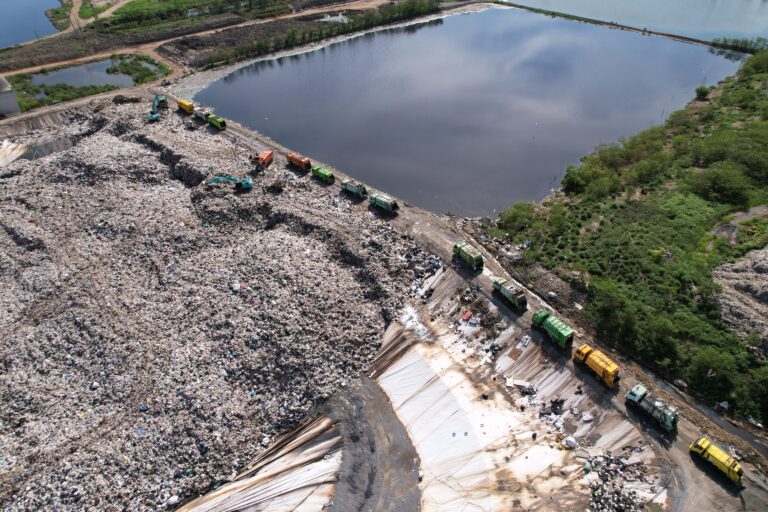
- Combustion residual leachate
The most recent updates to EPA ELG coal plants wastewater rules reflect growing concern about trace metals and other contaminants entering waterways, such as selenium, mercury, arsenic, nickel, as well as bromides.
Why Coal Plants Are Facing New Wastewater Pressures
What makes this situation particularly challenging is that wastewater compliance is no longer just a regulatory checkbox. It has become an operational risk factor that can affect whether a plant is able to remain online. If treatment systems fail to meet discharge limits, facilities may face enforcement actions, operational restrictions, or forced curtailment.
Utilities must navigate two competing priorities. On one side are increasingly strict coal power plant regulations governing wastewater discharge. On the other side is the need to maintain consistent generation capacity, often under tight operational margins. Many plants must retrofit treatment infrastructure while continuing to operate at full load.
This pressure is particularly visible in facilities managing flue gas desulfurization wastewater. FGD systems remove sulfur dioxide from flue gas but generate high-salinity wastewater streams containing dissolved metals and other contaminants. Similarly, bottom ash transport water historically carried suspended solids and metals from boiler operations. Combustion residual leachate (including seepage or leakage from coal ash landfills or impoundments) adds another layer of complexity.
Because these streams often contain high total dissolved solids and trace contaminants, they can be difficult to treat using conventional wastewater technologies. Membrane systems and biological treatment processes often struggle under the extreme chemistry conditions present in coal plant wastewater.
For utilities navigating coal plant wastewater compliance, the challenge is therefore not simply meeting a regulatory number. It involves identifying treatment approaches that can reliably manage complex wastewater streams without putting plant operations at risk.
This is why many utilities are beginning to view wastewater compliance as an engineering and operations problem rather than purely a regulatory requirement. Treatment systems must perform consistently under real plant conditions, including load cycling, seasonal temperature changes, and variable influent chemistry.
The result is a growing industry shift toward more flexible treatment strategies that balance regulatory objectives with real operational needs.
Why Full ZLD Isn’t Always the Right Starting Point
In response to tightening coal-fired power plant wastewater regulations, many utilities initially consider implementing full zero liquid discharge systems. ZLD systems are designed to eliminate all liquid wastewater discharge by cleaning and recovering nearly all water from waste streams .
In theory, full ZLD provides the ultimate compliance solution. By eliminating discharge entirely, plants avoid many regulatory concerns related to effluent limits. However, the practical reality is far more complicated.
Traditional ZLD systems often involve complex treatment trains that include multiple stages of filtration, evaporation, crystallization, and solids handling. These systems are energy intensive and require sophisticated operation and maintenance programs.
Capital costs for full ZLD installations can reach tens of millions of dollars, depending on plant size and wastewater volume. This doesn’t include the operating costs, either. They run high since these systems often involve high energy consumption and the need for skilled operators to manage complex equipment.
Reliability is another challenge. Systems must handle extremely concentrated levels of calcium, magnesium, and silica. These elements sometimes cause scaling, fouling, and operational disruptions. For plants that must remain online, reliability risks are often a major concern.
Because of these factors and the evolving regulatory landscape, some utilities end up postponing investments in wastewater treatment infrastructure .
In practice, however, the wastewater continues to negatively impact the environment. And the regulatory reality can be more nuanced. Many discharge limits focus on reducing pollutant concentrations and volumes rather than requiring immediate absolute zero discharge.
This creates an important distinction between regulatory objectives and engineering execution. While ZLD may represent the long-term endpoint for some plants, it may not always be the most practical starting point.
Defining a “Right-Sized ZLD” Approach
One of the emerging strategies in wastewater management for coal plants is the concept of right-sized ZLD. This approach recognizes that compliance does not always require immediate full zero discharge.
Instead of treating compliance as an all-or-nothing issue, right-sized ZLD treats it as a continuum. The focus shifts from eliminating every drop of wastewater to achieving meaningful reductions in discharge volume and contaminant load, in a customized site-specific approach.
Unlike many traditional ZLD approaches, which are “one-size-fits-all” systems, right-sized ZLD systems are more customizable and emphasize volume reduction first. Plants concentrate wastewater streams so that most of the water can be recovered and reused, leaving only a small residual stream for disposal.
This strategy allows treatment intensity to be matched to actual regulatory requirements. Plants can meet near-term ELG compliance for coal power plants while maintaining operational flexibility.
Another advantage is adaptability. Regulatory frameworks evolve over time. A system designed for staged wastewater reduction can be expanded or upgraded later if future rules require additional treatment capacity. In general, it’s best if traditional ZLD approaches evolve to become more flexible for changing rules. Having these systems custom-engineered to specific sites makes them more efficient and sustainable as well.
How Thermal Concentration Achieves Meaningful Volume Reduction
Coal plants can reduce wastewater volumes by 90 to 98 percent by using thermal concentration systems that remove water through controlled evaporation. In this process, wastewater is heated so that water separates as vapor from dissolved salts, metals, and other contaminants. The vapor is then condensed into clean water that can be reused in plant operations or safely discharged. The remaining liquid becomes a highly concentrated residual stream that contains most of the original contaminants but only a small fraction of the original volume.
This approach is particularly effective for streams such as flue gas desulfurization wastewater and combustion residual leachate. These streams often contain very high levels of total dissolved solids along with trace metals. By concentrating these waste streams, thermal systems can recover most of the water while isolating contaminants in a much smaller volume that is easier to manage and dispose of.
High total dissolved solids levels make coal plant wastewater difficult for conventional treatment technologies. Membrane filtration systems can quickly foul or lose efficiency when exposed to high salt concentrations. Biological treatment processes can also struggle because the chemistry of these wastewater streams can inhibit microbial activity. Thermal concentration avoids these limitations because it does not depend on membranes or biological reactions. Instead, it relies on physical separation through evaporation.
This method also aligns with regulatory goals under EPA ELG coal plants wastewater rules. By recovering the majority of water and concentrating contaminants into a smaller residual stream, plants can significantly reduce discharge volumes and pollutant loads. For utilities pursuing coal plant wastewater compliance, thermal concentration offers a reliable way to achieve substantial wastewater reduction while maintaining operational stability.
Real-World Examples of Right-Sized ZLD in Power Generation
Conceptual discussions about wastewater treatment are important, but utilities ultimately need to know whether a strategy works under real operating conditions.
Several facilities have already implemented volume reduction strategies that demonstrate the effectiveness of right-sized ZLD. These projects show that high levels of wastewater reduction can be achieved without disrupting plant operations.
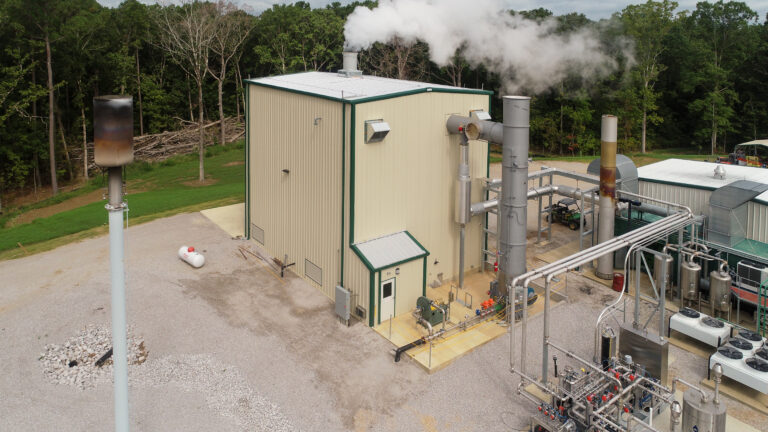
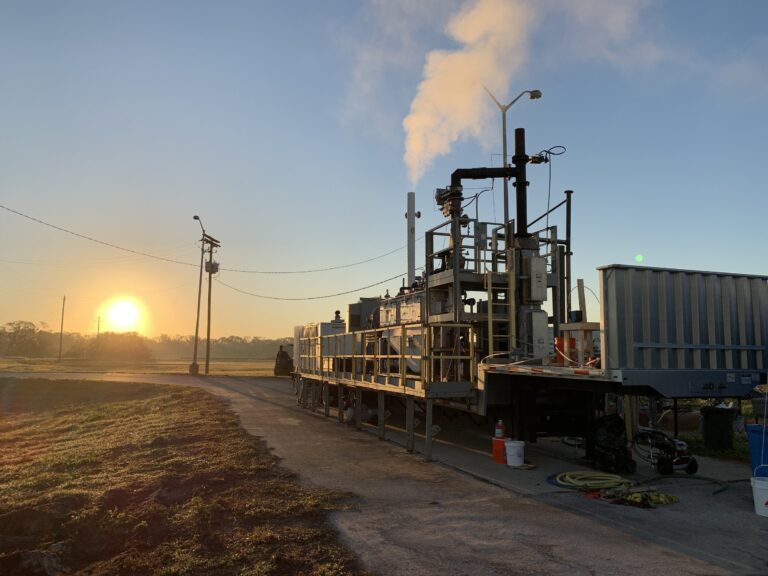
One example is highlighted in a U.S. coal-fired power plant case study involving flue gas desulfurization wastewater treatment. They used a Heartland Concentrator to reduce wastewater volume significantly while maintaining reliability during normal plant operations.
Importantly, the installation was integrated into the plant without requiring major operational changes. Plant staff were able to continue routine operations while the wastewater system operated in parallel.
The success of the U.S. coal-fired power plant case study demonstrates that right-sized ZLD strategies can function effectively in real environments rather than only in theoretical models.
How Utilities Can Determine the Right Level of Wastewater Treatment
No two coal plants operate under identical conditions. Wastewater treatment requirements vary based on plant design, operational history, and regulatory jurisdiction.
As a result, achieving coal plant wastewater compliance requires site-specific evaluation rather than one-size-fits-all solutions. Utilities must assess several key variables when determining the appropriate level of treatment.
One important factor is the volume of wastewater generated by flue gas desulfurization systems and combustion residual leachate streams. Plants with higher wastewater volumes may require more aggressive volume reduction strategies.
Wastewater chemistry also plays a critical role. High levels of dissolved solids or metals may limit the effectiveness of certain treatment technologies.
It’s important to not forget about regulatory timelines as well. Updated coal-fired power plant wastewater regulations include compliance deadlines that extend into the next decade. Utilities must balance short-term requirements with long-term planning.
Physical constraints are another consideration. Available plant footprint, energy sources, and integration limitations can affect what technologies are feasible.
By reducing wastewater volumes early, plants can meet near term compliance targets while preserving the option to add further treatment stages later if necessary.
This phased approach also helps utilities avoid premature capital investment in overly complex systems. Instead of committing immediately to full ZLD infrastructure, plants can implement solutions that address current requirements while remaining adaptable to future changes.
Ultimately, wastewater compliance should be framed as an engineering and operational decision rather than purely a regulatory response.
A Deeper Look at ELG Compliance for Coal Plants
This article provides a strategic overview of how coal plants can approach wastewater compliance using right-sized ZLD strategies. However, many utilities require deeper technical analysis before making capital investment decisions.
The full white paper expands on the concepts introduced here and provides detailed regulatory context surrounding the EPA’s rules and the timeline for implementation through 2034.
Additional technical information is also there, including field data from operating coal plants, performance benchmarks for treating FGD wastewater and combustion residual leachate, and engineering insights into staged compliance strategies.
The white paper also outlines a practical roadmap that begins with wastewater volume reduction and progresses toward ZLD readiness if future regulatory requirements demand it. It includes two real-world case studies designed to help utility engineers, environmental compliance leaders, and decision makers understand all the ramifications.
Accessing the full analysis can help utilities develop data-driven compliance plans, support internal decision-making processes, and prepare for evolving coal power plant regulations.
Download the full white paper for a detailed analysis of how coal plants can meet ELG compliance for coal power plants through staged wastewater volume reduction.